
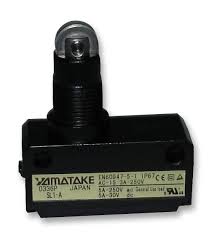
Honeywell SL1-A Compact Limit Switch Technical Guide
The Honeywell SL1-A compact limit switch is part of the SL1 series, a line known for sealed construction, compact dimensions, and dependable switching for industrial machinery. This model is commonly identified as a top roller plunger limit switch with SPDT 1NC/1NO contacts. In machine design, that combination is attractive because it delivers physical position confirmation in a housing that supports compact equipment layouts.
Why the SL1-A Remains Relevant
Compact machines still need reliable switching points. Whether the task is confirming an end stop, detecting mechanism travel, or supervising a guarded motion path, physical switching remains a highly trusted solution. The Honeywell SL1-A industrial limit switch addresses this need through a small-format design that does not force engineers to give up durability or switching clarity.
The SL1 series is described as sealed, sensitive, and long-life, with a rugged zinc die-cast housing and suitability for machine miniaturization. That makes the Honeywell SL1-A compact limit switch relevant in applications where full-size switches are too large.
Technical Highlights
The Honeywell SL1-A top roller plunger switch uses a roller plunger actuator, which helps create a smoother contact interface with moving machine parts. This matters in equipment where the actuator is struck frequently or where a non-roller plunger could create unnecessary wear on the contacting surface.
The switch is also commonly listed with an SPDT 1NC/1NO contact arrangement, allowing designers to use one device for multiple logic paths. In automation design, that flexibility is useful for machine stop confirmation, permissive logic, alarms, and process sequencing.
Where Honeywell SL1-A Fits Best
The SL1 series has been associated with applications such as robotics, light material handling, machine tools, automotive factory floor systems, and electronic assembly equipment. That context makes the Honeywell SL1-A industrial switch a strong candidate for compact OEM machinery, indexing systems, and enclosed automation modules.
For engineers, the value is not only in the switch itself but also in the design confidence it provides. A compact, sealed switch can simplify the mechanical layout while still supporting repeatable feedback under production conditions.
Installation and Selection Notes
When selecting the Honeywell SL1-A compact limit switch, actuator path and overtravel control should be reviewed carefully. Compact switches can perform extremely well, but only when they are installed within their intended mechanical profile. The roller plunger should be contacted cleanly, and the switch should not be exposed to unnecessary side loading.
Search terms such as compact limit switch, roller plunger limit switch, and Honeywell SL1-A remain popular because machine designers continue to prioritize efficient use of space without compromising reliability.
For more information about Honeywell, reviewing related compact switch families can help refine actuator and enclosure choices during early-stage design.
FAQ
What actuator does Honeywell SL1-A use?
It is commonly identified as a top roller plunger limit switch.
Does Honeywell SL1-A have SPDT contacts?
Yes. It is commonly described with SPDT 1NC/1NO contact configuration.
What is the advantage of the SL1 series?
The SL1 series is valued for its compact size, sealed construction, and suitability for machine miniaturization without losing industrial switching capability.
Where is Honeywell SL1-A commonly used?
Applications associated with the SL1 series include robotics, light material handling, machine tools, automotive production, and electronic assembly equipment.
Why choose a roller plunger version?
A roller plunger can reduce friction and wear where the switch is actuated repeatedly by cams or moving machine surfaces.
What should maintenance teams inspect?
They should check actuator wear, switching repeatability, housing condition, mounting integrity, and any signs of contamination or cable stress.