
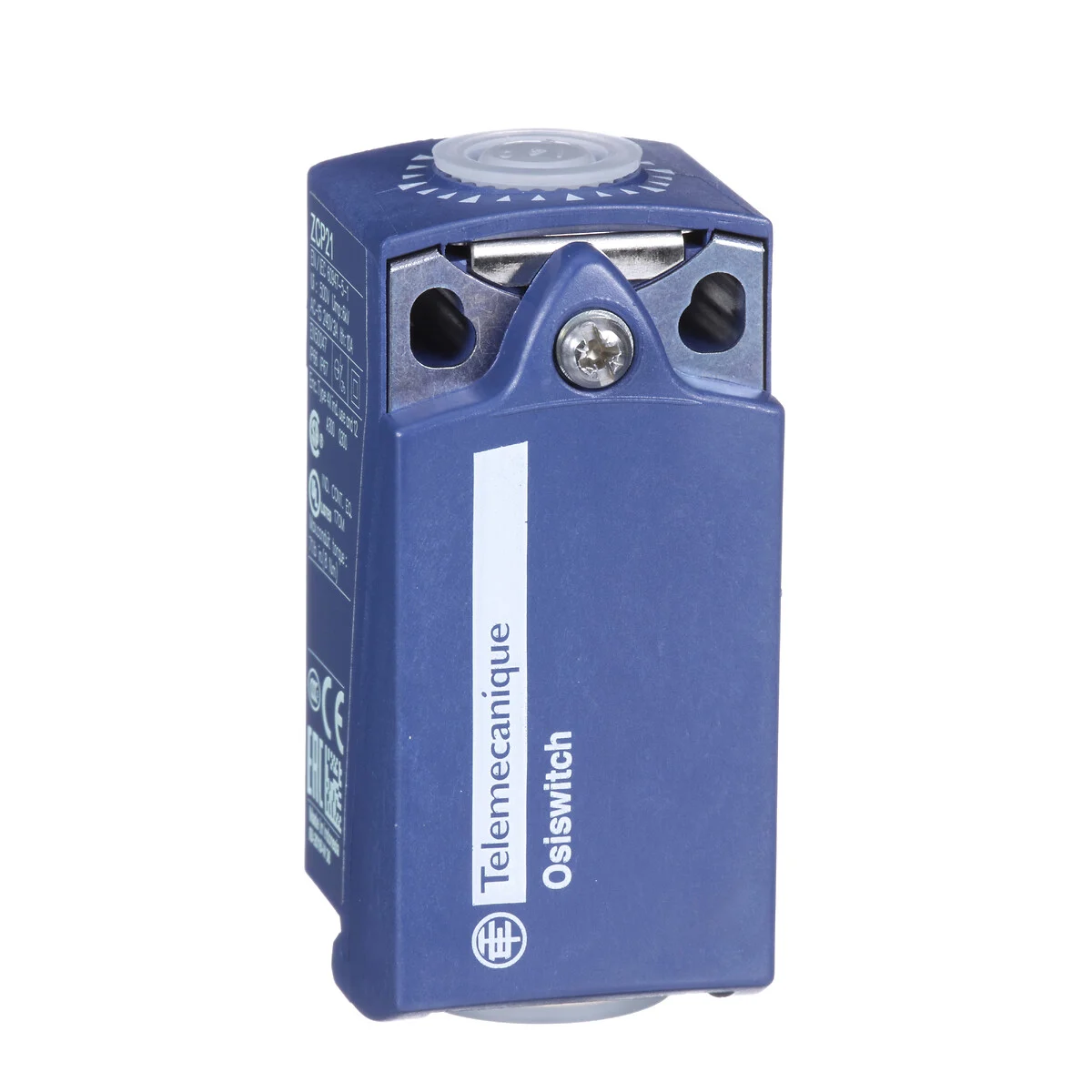
Telemecanique ZCPEG11 Cable Gland Technical Overview
The Telemecanique ZCPEG11 cable gland is an industrial connection accessory developed for compatible Telemecanique limit switch systems. Although small in size, cable glands play a major role in industrial automation by protecting cable entries, supporting proper cable routing, and improving installation reliability.
Industrial automation environments often expose electrical wiring to vibration, dust, moisture, and mechanical stress. The Telemecanique ZCPEG11 cable gland helps reduce these risks by creating a secure cable entry point for compatible switch bodies.
Technical Characteristics of the Telemecanique ZCPEG11 Cable Gland
The Telemecanique ZCPEG11 cable gland is commonly designed with Pg 11 threading for compatibility with specific industrial switch bodies. The component is manufactured from durable industrial-grade plastic material suitable for automation installations.
The primary purpose of the cable gland is to guide and secure cables entering the switch body while helping maintain environmental protection around the connection area. Correct cable gland installation can improve long-term electrical reliability and reduce unnecessary cable movement.
This accessory is frequently used with compact industrial limit switches and control devices where organized cable routing is important.
Industrial Applications
The Telemecanique ZCPEG11 cable gland is used in many industrial automation sectors including packaging machinery, conveyor systems, production equipment, machine safety systems, and material handling installations.
Industrial environments often require reliable cable protection because moving equipment and vibration can gradually damage improperly installed wiring. Cable glands help reduce strain on electrical connections and improve cable stability over time.
Automation engineers also use cable glands to maintain cleaner electrical installations and improve overall machine organization.
Importance of Proper Cable Management
Good cable management is essential for maintaining reliable industrial automation systems. Poorly secured cables may suffer from vibration damage, insulation wear, or accidental disconnection. The Telemecanique ZCPEG11 cable gland helps support more secure installations by stabilizing cable entry points.
Correct cable routing can also simplify maintenance procedures and reduce troubleshooting time in industrial facilities.
Installation Considerations
Before installation, engineers should verify thread compatibility, cable diameter, and switch body specifications. Using the correct cable gland size is important for maintaining proper sealing and mechanical stability.
The cable should be routed without excessive tension or sharp bends. Proper tightening is also important because over-tightening may damage plastic components while insufficient tightening may reduce stability.
For additional industrial accessories, visit Telemecanique industrial accessories.
Frequently Asked Questions
What is the Telemecanique ZCPEG11 cable gland used for?
The Telemecanique ZCPEG11 cable gland is used to secure and protect cable entry points in compatible industrial switch assemblies.
Is the ZCPEG11 a sensor or switch?
No. It is a cable entry accessory designed to support cable routing and installation protection.
Why are cable glands important in industrial automation?
Cable glands help reduce cable movement, improve installation reliability, and support environmental protection around electrical connections.
Can the ZCPEG11 be used in industrial machinery?
Yes. It is commonly used in automation systems, packaging machinery, conveyors, and industrial control installations.
What should be checked before installing a cable gland?
Engineers should verify thread compatibility, cable diameter, environmental requirements, and correct installation torque before use.