
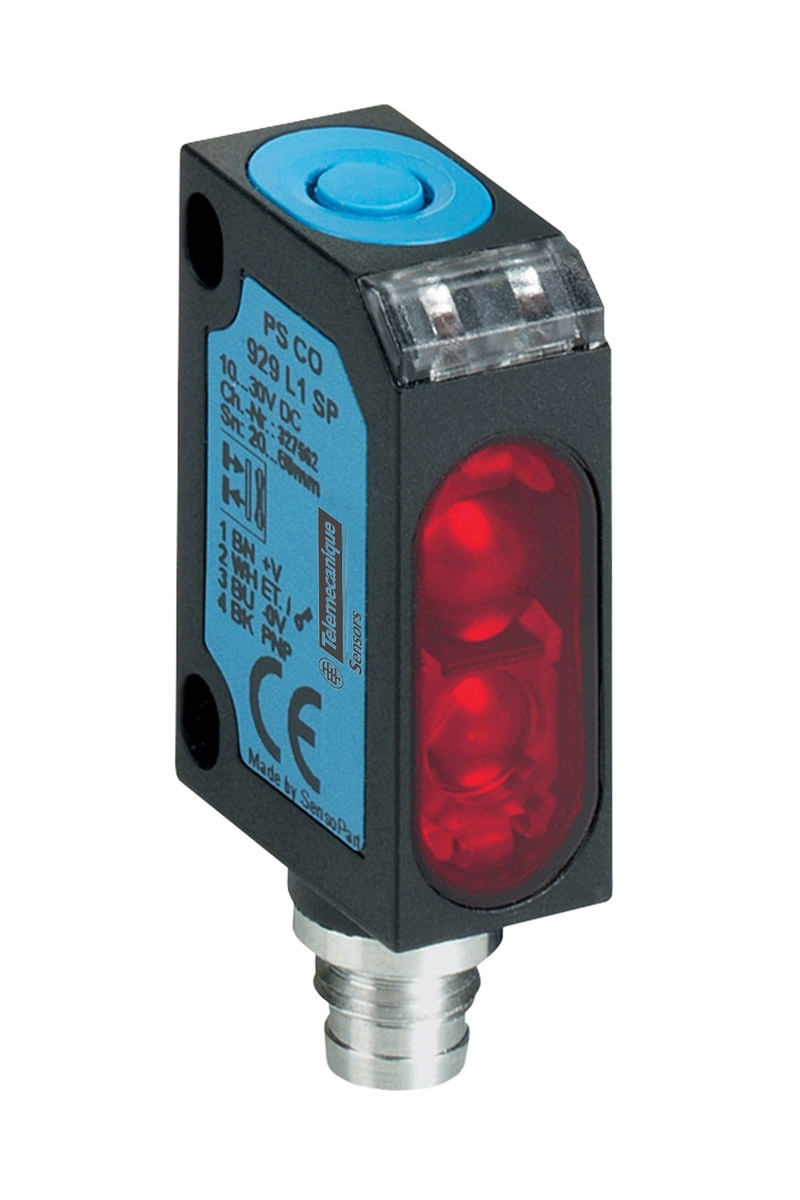
Telemecanique XUYPCCO929LSP Photoelectric Sensor Technical Guide
The Telemecanique XUYPCCO929LSP photoelectric sensor is an industrial automation sensing device developed for reliable object detection in demanding production environments. Telemecanique photoelectric sensors are widely used across manufacturing sectors because they support fast, non-contact detection for automated machinery, conveyors, packaging systems, and material handling equipment.
Industrial automation increasingly depends on accurate sensing technology. Machines must react quickly to moving products, changing production conditions, and high-speed processes. Photoelectric sensors help control systems identify whether objects are present, absent, positioned correctly, or moving through a defined detection area.
What Is the Telemecanique XUYPCCO929LSP Photoelectric Sensor?
The Telemecanique XUYPCCO929LSP photoelectric sensor belongs to the Telemecanique optical sensing range developed for industrial automation applications. This sensor type operates by transmitting light and evaluating how the signal is received or reflected. The resulting output signal is used by PLCs, machine controllers, counters, relays, and monitoring systems.
Photoelectric technology is preferred in many industrial environments because it enables high-speed detection without physical contact. Unlike mechanical switches, optical sensors can operate with minimal wear while supporting continuous automated production.
Main Technical Characteristics
The Telemecanique XUYPCCO929LSP is generally associated with industrial DC operation and compact machine integration. Depending on the exact application configuration, it may support object detection functions used in automated transfer systems, packaging lines, and production monitoring equipment.
Compact photoelectric sensors are especially valuable where machine space is limited. Modern automation systems often require multiple sensors within a small installation area. Compact housing helps engineers integrate detection devices without interfering with moving machine components or operator access.
Industrial optical sensors must also perform consistently under changing environmental conditions. Vibration, dust, product variation, electrical noise, and changing ambient light can all influence sensor performance if installation and adjustment are not optimized correctly.
Industrial Applications
The Telemecanique XUYPCCO929LSP photoelectric sensor can be used in conveyor automation, packaging systems, object presence detection, counting operations, transfer stations, assembly processes, and material handling applications.
In packaging equipment, the sensor may confirm product arrival before sealing or labeling operations begin. In conveyors, it can help monitor flow, spacing, and product movement. In automated handling systems, it may be used to verify the position of trays, containers, cartons, or components before the next machine cycle starts.
Reliable object detection improves operational efficiency because the machine controller receives accurate real-time information about product movement. This supports smoother automation sequences and helps reduce unnecessary machine stoppages.
Installation and Maintenance
Correct installation practices are important for reliable sensing. The sensor should be mounted securely to minimize vibration and mechanical movement. Alignment should be tested using the actual production object and real operating conditions whenever possible.
Environmental contamination can affect optical sensing performance. Dust, oil mist, paper fibers, and packaging residue may reduce the effectiveness of the optical path over time. Periodic cleaning of the sensing surface helps maintain stable operation.
Electrical installation should follow industrial best practices. Sensor cables should be routed carefully to avoid electromagnetic interference from high-current equipment or motor drives. Stable DC power contributes to more reliable switching behavior and consistent automation performance.
Advantages of Photoelectric Detection
Photoelectric sensing technology offers several advantages for industrial automation. It supports fast response times, non-contact detection, compact installation, and flexible application possibilities. Modern production lines depend heavily on sensors that can operate continuously while maintaining accurate switching performance.
The Telemecanique XUYPCCO929LSP helps support these requirements by combining industrial optical detection principles with compact machine integration capabilities.
For more Telemecanique-related information, visit Telemecanique information.
Frequently Asked Questions
What is the Telemecanique XUYPCCO929LSP used for?
It is used for industrial object detection in automation systems such as conveyors, packaging equipment, transfer systems, and material handling applications.
What type of sensor is the XUYPCCO929LSP?
It is a photoelectric sensor designed for industrial automation and non-contact object detection.
Why are photoelectric sensors important in automation?
Photoelectric sensors provide fast and reliable object detection without physical contact, helping machines monitor movement, position, and product flow efficiently.
Can this sensor be used in packaging systems?
Yes. Photoelectric sensors like the Telemecanique XUYPCCO929LSP are commonly used in packaging lines for object presence verification and process control.
What environmental factors can affect sensor performance?
Dust, vibration, electrical noise, reflective surfaces, contamination, and improper alignment can influence optical sensing performance.
How can stable detection performance be maintained?
Stable performance can be supported through proper installation, clean wiring practices, routine cleaning, accurate alignment, and stable power supply conditions.
Why choose a compact photoelectric sensor?
Compact sensors simplify installation in machinery where space is limited while still supporting reliable industrial object detection.