
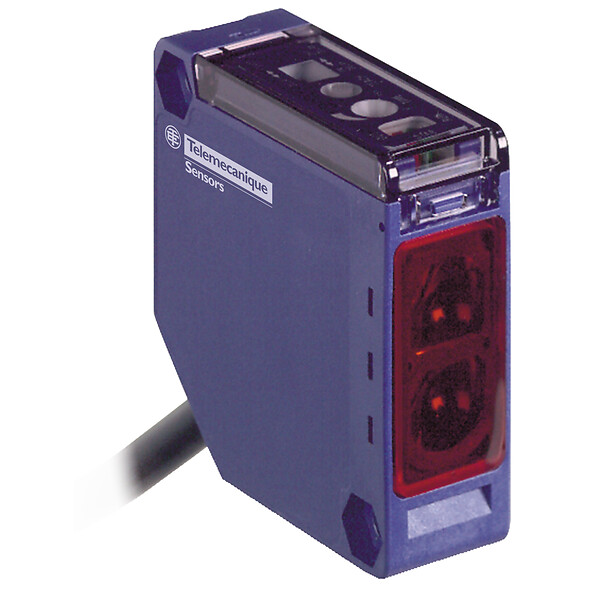
Telemecanique XUKOAKSAL2T Photoelectric Sensor Technical Guide
The Telemecanique XUKOAKSAL2T photoelectric sensor is developed for industrial automation systems that require stable object detection, compact installation, and reliable operational performance. As part of the Telemecanique XUK sensor series, this model is associated with high-speed industrial detection applications where non-contact sensing improves machine efficiency.
Photoelectric sensors are widely used across modern manufacturing industries because they support precise object monitoring without physical interaction. The XUKOAKSAL2T contributes to this process by using optical sensing principles that help detect products, machine components, and moving materials in automated systems.
What Is the Telemecanique XUKOAKSAL2T Photoelectric Sensor?
The Telemecanique XUKOAKSAL2T photoelectric sensor is an industrial optical sensor designed to identify object presence through emitted light detection. When the optical beam is interrupted or reflected differently by a target object, the sensor changes its electrical output state and communicates with the machine control system.
This type of sensing technology is commonly used in conveyor automation, robotic systems, packaging lines, and assembly equipment because it enables rapid and repeatable object detection without physical wear.
Main Technical Characteristics
The XUKOAKSAL2T is recognized as a compact industrial photoelectric sensor suitable for integration into automated machinery. Its design supports installation in confined machine spaces while maintaining dependable optical sensing performance.
The sensor is typically integrated into DC-powered industrial automation systems and may include industrial protection features for stable long-term operation. Compact sensor designs are especially valuable in modern manufacturing systems where machine builders require multiple sensing points in limited installation areas.
Industrial Applications
The Telemecanique XUKOAKSAL2T photoelectric sensor is suitable for industrial applications such as packaging automation, object positioning, conveyor line monitoring, product counting, material handling systems, and automated assembly equipment.
In many automated production lines, photoelectric sensors are used to synchronize machine actions and verify object movement. This helps improve process efficiency and reduce production interruptions caused by missed detections or mechanical limitations.
Advantages of Optical Detection Technology
Optical detection technology provides several operational advantages compared with mechanical sensing systems. Because there is no direct contact with the target object, sensor wear is minimized and detection speed can remain consistent even in continuous production environments.
Photoelectric sensors are also highly adaptable across different industries because they can detect a wide variety of products, materials, and packaging types. Compact sensor models such as the XUKOAKSAL2T are especially useful in machines where installation flexibility is critical.
Installation Recommendations
Correct installation helps ensure stable sensing performance. The optical path should remain aligned with the target detection area, and mounting brackets should minimize movement caused by machine vibration.
Preventive maintenance routines should include cleaning the optical surface and checking cable integrity. Environmental contamination such as dust or oil buildup may influence optical detection performance over time.
For more information about Telemecanique, review additional industrial sensing and automation technologies.
Telemecanique XUKOAKSAL2T FAQ
What is the Telemecanique XUKOAKSAL2T used for?
The XUKOAKSAL2T is used for industrial object detection in automation systems such as conveyors, packaging machinery, robotic systems, and material handling equipment.
Why is non-contact sensing important?
Non-contact sensing reduces mechanical wear, improves operational speed, and supports more reliable performance in continuous industrial processes.
Can the XUKOAKSAL2T be installed in compact machines?
Yes. The compact sensor body is designed for installations where machine space is limited.
What industries commonly use photoelectric sensors?
Photoelectric sensors are widely used in manufacturing, packaging, logistics, assembly automation, food processing, and material handling industries.
How should the sensor be maintained?
Routine maintenance should include cleaning optical surfaces, checking electrical connections, and verifying alignment stability.
Does the XUKOAKSAL2T support automation systems?
Yes. The sensor is intended for integration with industrial automation and PLC-controlled systems.