
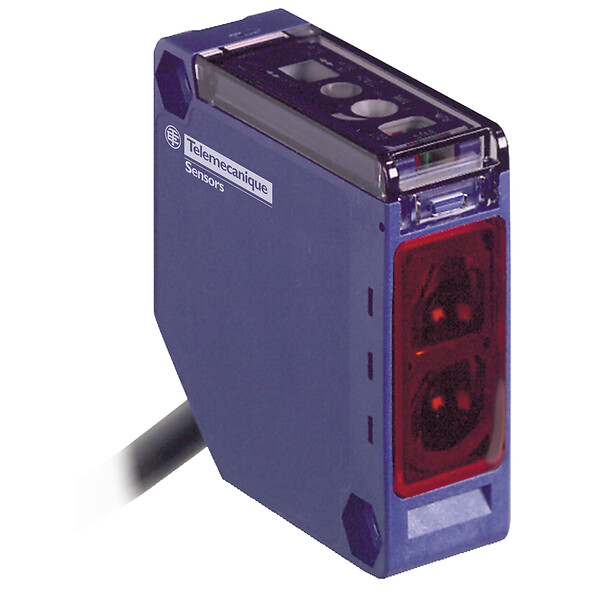
Telemecanique XUKOAKSAL2 Photoelectric Sensor Technical Guide
The Telemecanique XUKOAKSAL2 photoelectric sensor is designed for industrial object detection and automation control systems where reliable sensing performance and compact installation are important. As part of the Telemecanique XUK sensor family, this model is commonly associated with miniature photoelectric sensing applications used across manufacturing and process automation industries.
Photoelectric sensors play a central role in modern industrial operations because they allow fast and accurate non-contact object detection. The XUKOAKSAL2 supports these requirements through optical sensing technology that helps machines monitor movement, positioning, product presence, and process flow without physical contact.
What Is the Telemecanique XUKOAKSAL2 Photoelectric Sensor?
The Telemecanique XUKOAKSAL2 photoelectric sensor is a compact industrial sensor designed to detect objects using emitted light. Depending on installation conditions, the sensor evaluates reflected or interrupted light signals and changes its electrical output accordingly.
This sensing method provides a reliable alternative to mechanical switches because no physical contact is required between the sensor and the target object. As a result, wear is reduced and operational speed can improve significantly in automated production systems.
Main Technical Characteristics
The XUKOAKSAL2 is commonly associated with DC-powered industrial automation systems and compact sensor integration. The sensor body is designed for installations where limited mounting space is available, making it appropriate for smaller machines, conveyor sections, robotic handling systems, and assembly equipment.
Its optical detection system supports repeatable sensing performance across a wide variety of industrial materials and products. Industrial-grade construction also helps the sensor withstand conditions such as vibration, dust exposure, and continuous machine operation.
Industrial Applications
The Telemecanique XUKOAKSAL2 photoelectric sensor can be used in automated packaging systems, material transfer equipment, robotic positioning applications, object counting stations, conveyor monitoring systems, and production machinery. Because it operates without physical contact, it is especially suitable for applications involving fragile products or high-speed motion.
Many manufacturers use compact photoelectric sensors in environments where machine space is limited but reliable detection remains critical. In automated production lines, these sensors help synchronize machine actions and improve operational consistency.
Benefits of Compact Photoelectric Sensors
Compact photoelectric sensors provide several advantages in industrial environments. Their reduced size supports flexible mounting positions, allowing engineers to integrate detection points into confined machine layouts. This is especially useful in modern automated systems where multiple sensors may be required within a small operating area.
Non-contact sensing also helps reduce maintenance requirements compared with traditional mechanical detection devices. Since there are fewer moving parts involved, long-term reliability can improve in continuous production applications.
Installation and Maintenance
When installing the XUKOAKSAL2, the optical sensing path should remain clear and properly aligned with the intended detection zone. Mounting hardware should minimize vibration movement, and cable routing should follow industrial best practices.
Routine maintenance should include inspection of the sensor lens and electrical connection points. Dust or contamination on the optical surface may influence sensing stability in some applications.
For more information about Telemecanique, review industrial automation and sensing technologies.
Telemecanique XUKOAKSAL2 FAQ
What is the Telemecanique XUKOAKSAL2 used for?
The XUKOAKSAL2 is used for industrial object detection in automation systems such as conveyors, packaging equipment, robotic handling systems, and machine control applications.
Why are photoelectric sensors important in automation?
Photoelectric sensors provide fast and accurate non-contact detection, helping machines monitor products and movement without mechanical wear.
Can the XUKOAKSAL2 be used in compact machinery?
Yes. Its compact design makes it suitable for installations where machine space is limited.
What are the advantages of non-contact sensing?
Non-contact sensing reduces wear, improves operational speed, and helps maintain reliable detection performance in continuous industrial processes.
Is the XUKOAKSAL2 compatible with industrial control systems?
Yes. The sensor is intended for integration into industrial automation architectures and PLC-controlled systems.
What maintenance is required?
Routine maintenance generally includes checking optical cleanliness, cable condition, and stable mounting alignment.