
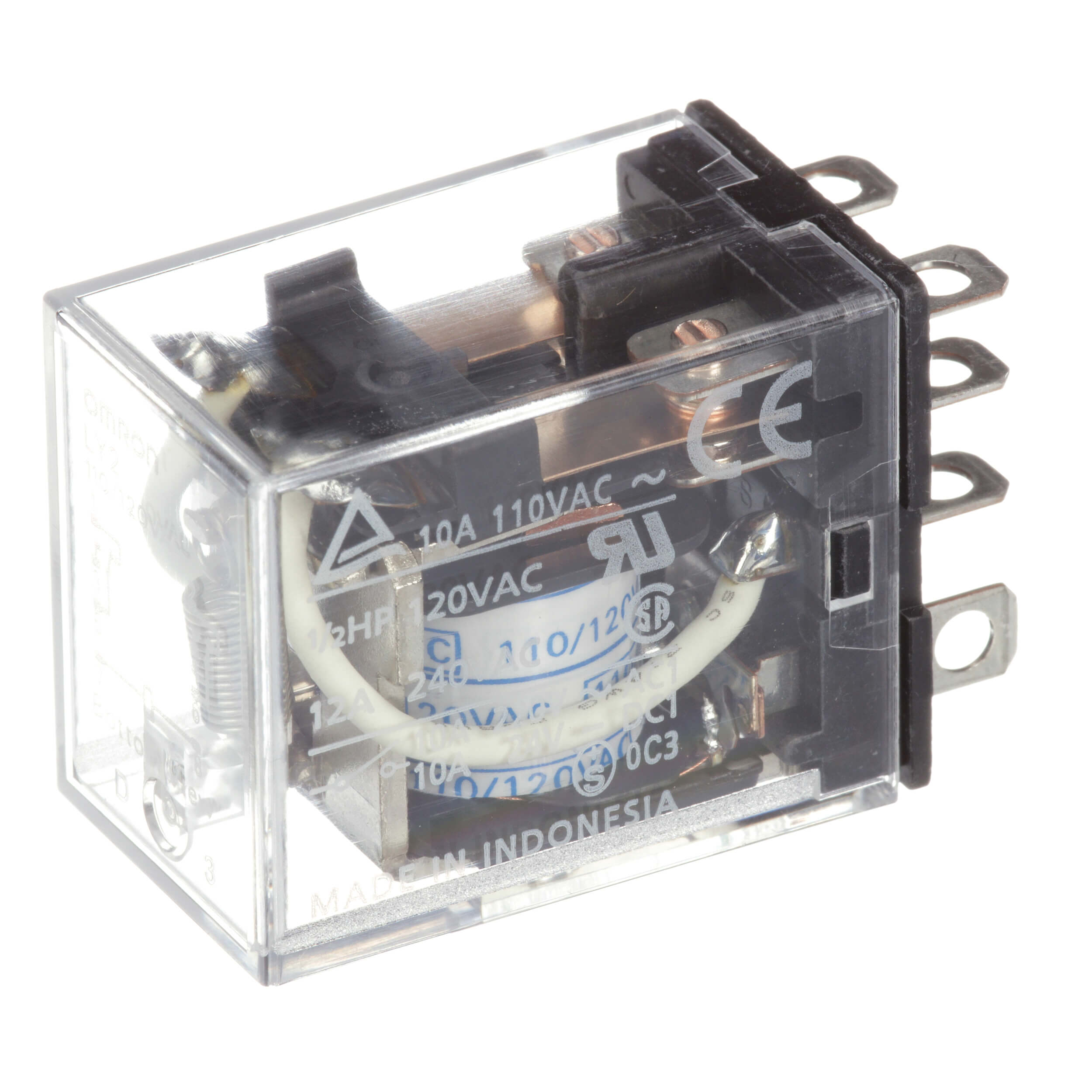
Omron LY2Z 100/110VAC General Purpose Relay: Technical Overview for AC Control Panels
The Omron LY2Z 100/110VAC general purpose relay is an industrial electromechanical relay designed for AC control circuits that require dependable two-pole switching. As part of the Omron LY family, it is commonly used in control panels, machinery, automation systems, electrical cabinets, and auxiliary switching applications.
This relay is intended for 100/110VAC coil operation and is suitable for applications where an AC control voltage is available. It provides a practical solution for engineers and technicians who need a relay that can handle general control duties while remaining easy to install and service.
Technical Profile
The LY2Z 100/110VAC relay is a two-pole relay designed for switching two circuits from one coil operation. In many control systems, this type of relay is used to multiply signals, isolate circuits, reverse control logic, activate alarms, or interface between control devices and field loads.
Omron LY series relays are known for plug-in installation, general-purpose switching capability, and robust panel use. The 100/110VAC coil rating makes this relay appropriate for systems built around 100 VAC or 110 VAC control supplies. Before installation, the actual supply voltage and frequency should always be confirmed against the relay marking and system documentation.
Where the Relay Fits
The Omron LY2Z 100/110VAC general purpose relay is suitable for industrial control cabinets, machine tool circuits, pump control, conveyor automation, alarm control, lighting control, HVAC auxiliary circuits, and panel-based relay logic. It may also be used in retrofit projects where an existing LY series relay footprint or socket arrangement is already present.
Because relays provide electrical isolation between coil and contacts, they remain useful even in modern PLC-based systems. A relay can allow a low-power control signal to manage a different circuit, voltage level, or load type while keeping the control device electrically separated from the field side.
AC Coil Considerations
AC coil relays should be matched carefully with the control supply. A relay designed for 100/110VAC should not be installed in a DC circuit or in an AC circuit with a significantly different voltage. Incorrect coil voltage may cause overheating, buzzing, failure to pick up, or shortened service life.
Contact loading is equally important. A relay contact rated for a certain current under resistive load may perform differently with inductive loads such as solenoids, contactor coils, and motors. Inrush current, switching frequency, arc suppression, and environmental conditions should be considered during design.
Maintenance Advantages
In panel environments, Omron LY style relays are valued because they are straightforward to inspect and replace. Socket-mounted relays reduce wiring work during service, and the standardized format helps maintenance teams keep spare parts organized. For systems with many relay channels, using a consistent relay family can improve documentation clarity and reduce replacement errors.
For related Omron components and industrial relay options, visit Omron automation and relay products.
Omron LY2Z 100 FAQ
What is the Omron LY2Z 100/110VAC relay used for?
It is used for general-purpose switching in AC control panels, machinery, automation circuits, alarm systems, and auxiliary relay logic.
What coil voltage does this relay use?
This model is intended for 100/110VAC coil operation. The control supply should match the relay rating before installation.
Omron LY2Z 100 Can it be used in DC circuits?
No. A relay with an AC coil should not be used as a substitute for a DC coil model. A correct DC version should be selected for DC systems.
Why are two-pole relays useful?
Two-pole relays allow one coil to switch two circuits at the same time, which is useful for interlocking, signaling, isolation, and control logic.
Is this relay suitable for industrial panels?
Yes. It is designed for general industrial control use when the voltage, load, and socket requirements are correctly matched.
What should be checked before replacement?
Check coil voltage, contact configuration, socket compatibility, wiring diagram, load type, and original equipment requirements.
Can this relay switch inductive loads?
It can be used with inductive loads when the load rating, inrush current, and suppression requirements are properly reviewed.