
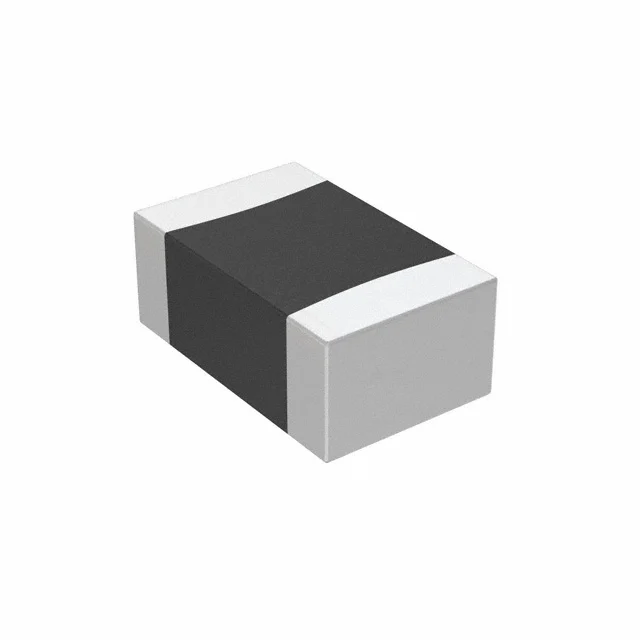
Honeywell 173-502GAF-301 5k NTC Thermistor Guide
The Honeywell 173-502GAF-301 thermistor is a compact 5k NTC thermistor designed for surface-mount temperature sensing on modern electronic boards. As part of Honeywell’s 173 Series, it combines a small 0805 package with practical thermal sensing behavior, making it useful for engineers who need reliable board-level temperature feedback in dense layouts.
What Makes the Honeywell 173-502GAF-301 Important?
The Honeywell 173-502GAF-301 NTC thermistor is specified in public listings as a 5 kOhm thermistor with ±5% tolerance in an 0805 surface-mount format. One distributor listing also identifies it with a 3550K characteristic, which helps designers place it within the broader family of thermistor response curves used in measurement and compensation circuits.
That combination of size and electrical behavior makes the Honeywell 173-502GAF-301 temperature sensor a practical option for compact electronics, especially where the design already expects a 5k NTC profile instead of a more common 10k value.
Core Technical Details
- Product type: Honeywell NTC thermistor
- Part number: 173-502GAF-301
- Nominal resistance: 5 kOhm at 25°C
- Resistance tolerance: ±5%
- Characteristic value: 3550K
- Package: 0805 (2012 Metric)
- Mounting style: Surface mount
- Operating temperature range: -60°C to 125°C
The 173 Series datasheet also notes family-level advantages such as automated pick-and-place suitability, glass-coated ceramic construction for long-term reliability, solder-plated nickel barrier terminations, and compatibility with high-density PCB assemblies. These details support the positioning of the Honeywell 173-502GAF-301 thermistor in durable electronic designs rather than purely experimental use.
Where a 5k Honeywell Thermistor Is a Good Fit
The Honeywell 173-502GAF-301 5k NTC thermistor is useful in electronics that monitor temperature locally on the board, correct for thermal drift, or trigger protection behavior when heat moves outside the desired operating window. This can include industrial control electronics, compact instrumentation, power-related boards, HVAC control electronics, and embedded assemblies where a small SMD thermal sensor is easier to integrate than a remote probe.
Choosing a 5k NTC thermistor rather than a 10k part is usually an intentional design decision. It affects divider behavior, measurement sensitivity, lookup implementation, and the surrounding analog circuitry. That is why the Honeywell 173-502GAF-301 thermistor should be selected based on system design requirements, not just availability.
Design Perspective
From a design standpoint, the real strength of the Honeywell 173-502GAF-301 temperature sensor is balance. It offers a familiar SMD thermistor package, a known temperature-sensing mechanism, and a resistance value that can suit projects where 10k is not ideal. In compact designs, that kind of fit matters more than broad catalog popularity.
For technical teams comparing thermistor families, the right approach is to review nominal resistance, tolerance, thermal curve, and operating range together. For more information about Honeywell, sensor selection should always reflect both circuit behavior and manufacturing constraints.
FAQ
What is the Honeywell 173-502GAF-301?
The Honeywell 173-502GAF-301 is a surface-mount NTC thermistor with a nominal resistance of 5 kOhm at 25°C. It is used for temperature sensing and thermal compensation in PCB-based electronics.
Why would a circuit use a 5k NTC thermistor?
A 5k NTC thermistor may be chosen when the circuit’s analog front end, voltage divider design, or calibration model is optimized around that resistance value. It can also be useful in applications where the designer wants a specific response range or signal behavior.
Is the Honeywell 173-502GAF-301 suitable for compact boards?
Yes. Its 0805 package makes it well suited to compact PCB layouts and automated assembly. That is one of the reasons the 173 Series remains relevant in dense electronic design.
What should be checked before replacing another thermistor with this model?
Engineers should compare nominal resistance, tolerance, curve constant, package size, operating temperature, and board footprint. Even thermistors that look physically similar can behave very differently in a circuit.
Can the Honeywell 173-502GAF-301 be used in thermal protection designs?
It can be part of a thermal monitoring or protection strategy when the full circuit is designed around its characteristics. In practice, that means the component is only one part of the sensing chain and should be matched carefully to the controller, threshold logic, and environmental assumptions.