
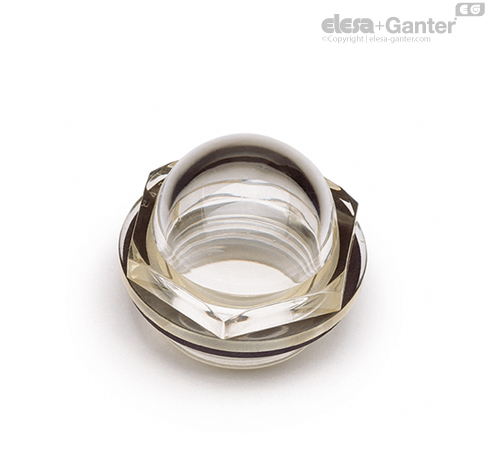
Elesa+Ganter HCFE.18-M25x1,5 Oil Level Sight Glass Overview
The Elesa+Ganter HCFE.18-M25x1,5 oil level sight glass is designed for industrial equipment that needs a dependable, compact way to monitor fluid levels. Whether the application involves hydraulic circuits, lubrication tanks, or machine gear housings, this model supports quick visual checks without interrupting operation.
For many maintenance teams, a well-chosen oil level sight glass is more than a simple viewing component. It becomes part of a predictable maintenance process, helping operators check reservoir conditions quickly and identify low fluid levels before they affect performance, reliability, or service intervals.
Technical Features of HCFE.18-M25x1,5
The HCFE.18-M25x1,5 is part of the standard HCFE series and features a M25x1.5 threaded connection. It is made from transparent polyamide-based technopolymer (PA-T) and uses an NBR synthetic rubber flat washer for sealing. The maximum continuous working temperature is 100°C. Published dimensions for this model include A 8.5 mm, B 19.5 mm, D 31 mm, d 25 mm, and s 27 mm, with a recommended tightening torque of 6 to 8 Nm.
Why M25x1.5 Oil Level Indicators Matter
A M25x1.5 oil level indicator is often specified where metric threading standards are already used throughout the equipment design. This helps simplify integration into machine frames, reservoirs, and housings without the need for adapters or mixed thread solutions.
The transparent technopolymer body allows visual level control while keeping the component lightweight and corrosion-resistant. In day-to-day industrial use, that balance of visibility and material practicality is exactly what makes this kind of hydraulic reservoir sight glass so valuable.
Application Areas
The Elesa+Ganter HCFE.18-M25x1,5 oil level sight glass can be used in hydraulic units, industrial automation systems, lubrication reservoirs, compact gearbox assemblies, and machine tool housings. It is particularly useful where operators need a direct level check at the machine rather than relying only on dipsticks or more complex monitoring systems.
Because the component is easy to inspect visually, it supports routine service work and helps reduce the time required for basic maintenance checks. In busy production environments, that practical benefit can make a real difference.
Elesa+Ganter HCFE.18-M25x1 Material and Handling Considerations
The PA-T transparent body should not be exposed to alcohol or detergents containing alcohol. Following the recommended torque is important, because correct tightening improves sealing performance and helps keep the packing ring in the correct position.
For more information about Elesa+Ganter, it can be useful to compare related level indicators and mounting accessories for the same installation environment.
Elesa+Ganter HCFE.18-M25x1 FAQ
What is the thread type on the Elesa+Ganter HCFE.18-M25x1,5 oil level sight glass?
This model uses a metric M25x1.5 thread. It is suitable for systems and reservoirs designed with this thread standard and is often selected in metric-based industrial machinery.
What is the main advantage of a transparent oil level sight glass?
The main advantage is immediate visual inspection. Operators can verify lubricant or hydraulic oil level quickly, which supports maintenance efficiency and helps identify fluid issues before they become larger operational problems.
Can HCFE.18-M25x1,5 be used in hydraulic reservoirs?
Yes, it is intended for applications such as hydraulic tanks, lubrication systems, and machine housings where direct fluid level visibility is useful and where the operating conditions match the material specifications.
What temperature range should be considered?
The standard HCFE series is rated for continuous use up to 100°C. That is suitable for many common industrial systems, although compatibility with the actual fluid and additives should always be checked for demanding environments.
Why is tightening torque important for this model?
The recommended tightening torque helps achieve the correct seal without overloading the component. It also helps maintain the proper position of the sealing washer, which is important for long-term leak prevention.