
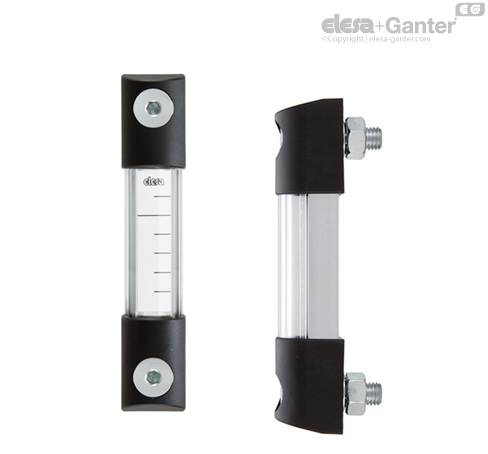
Elesa+Ganter 113455 Electrical Oil Level Indicator
Overview
The Elesa+Ganter 113455 electrical oil level indicator is listed as HCK.127-SST-M12-FKM-PC-P-E-NO-STL. It is a technical reservoir monitoring component developed for oil level visibility, electrical level signalling and temperature-related feedback in hydraulic systems.
Technical Characteristics
This HCK.127 indicator has a 127 mm fixing distance and M12 connection. Its stainless-steel fastening elements support durable installation, while FKM O-rings provide oil-compatible sealing. The transparent polycarbonate column allows quick level reading, and the aluminium contrast screen improves visibility during routine inspection.
The NO contact configuration means the electrical contact is normally open and changes state when the float reaches the switching threshold. The STL execution refers to a version associated with temperature probe functionality, making this model suitable for applications where level and temperature information are both important for equipment protection.
Where It Fits Best
The Elesa+Ganter 113455 electrical oil level indicator is suitable for hydraulic reservoirs in machine tools, industrial automation equipment, hydraulic presses, lubrication units and compact power packs. It helps maintenance teams track fluid level while supporting electrical integration into alarms, PLC inputs or control panels.
Engineering Perspective
In demanding machinery, oil level is not just a maintenance detail; it directly affects cooling, lubrication and hydraulic stability. A combined visual and electrical indicator gives operators a clearer picture of reservoir condition. For more technical product options, visit Elesa+Ganter information.
FAQ
What is Elesa+Ganter 113455?
It is an HCK.127 electrical oil level indicator with NO level contact and STL temperature probe execution.
What does NO mean?
NO means normally open. The contact changes state when the defined level condition is reached.
What sealing material does it use?
It uses FKM sealing rings, suitable for many oil-based industrial applications.
Why is temperature monitoring useful?
Temperature feedback helps identify overheating risks and supports better maintenance decisions in hydraulic systems.