
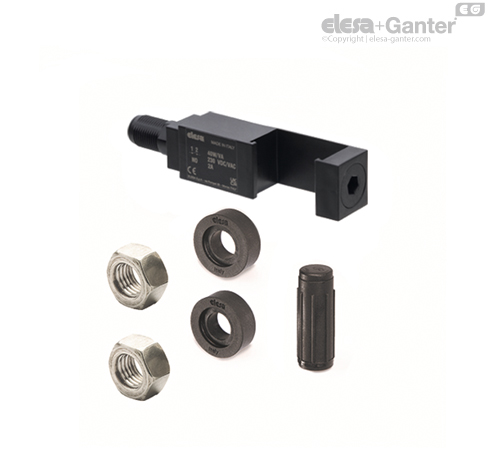
Elesa+Ganter 110087-R SLCK-NC-NC Fluid Level Control Kit for Industrial Reservoirs
The Elesa+Ganter 110087-R SLCK-NC-NC fluid level control kit is designed for applications where dependable fluid level monitoring must be combined with a dual normally closed contact arrangement. As part of the SLCK series for HCK and HCK-GL column level indicators, this model adds electrical signaling to the visual reading of the level indicator. That makes it suitable for machinery where tank level information needs to be visible to operators and available to electrical control systems at the same time.
Elesa+Ganter 110087-R SLCK-NC-NC Understanding the SLCK-NC-NC Configuration
The most important feature of the Elesa+Ganter 110087-R SLCK-NC-NC fluid level control kit is its two normally closed contacts. In control design, this can be useful in systems that prefer closed-circuit monitoring logic or where fail-aware signaling strategies are part of the design philosophy. Compared with single-contact versions, the NC-NC format offers a more specialized arrangement for applications that require two normally closed outputs rather than a mixed logic combination.
Technical Profile of the Elesa+Ganter 110087-R SLCK-NC-NC
This model belongs to the standard SLCK group, which is intended for applications up to 80°C, while the SLCK-HT range is used where temperatures can reach 120°C. The SLCK system uses a reed-based electrical sensor and a float with a magnetic element. When the float reaches the intervention level selected by the user, the electrical contact changes state. The sensor holder can be repositioned along the axis of the level indicator and secured with the appropriate screw, allowing the switching point to be customized to the reservoir design. The technical data for the SLCK series lists AC/DC power supply compatibility, maximum applicable voltage of 230 Vac/Vdc, maximum current of 2 A, and maximum commutable power of 40 W/VA. In the standard version, the connector format is the DIN 43650 C male connector.
Where This Dual NC Fluid Level Kit Fits Best
The Elesa+Ganter 110087-R SLCK-NC-NC fluid level control kit is relevant in hydraulic reservoirs, industrial oil tanks, lubrication systems, and machinery where a fluid level sensor with dual normally closed logic is preferred. Because it works with HCK and HCK-GL column level indicators, it supports a combined approach to level management: operators still have a direct view of the fluid level, while the electrical system receives the necessary switching information.
Elesa+Ganter 110087-R SLCK-NC-NC This is particularly useful in environments where machine reliability depends on predictable fluid conditions. Engineers searching for a hydraulic oil level switch, fluid level sensor, or industrial tank monitoring kit with dual NC output may find this version aligned with their control strategy. For more information about Elesa+Ganter, the brand offers a broad portfolio of standard machine components and fluid system accessories.
Frequently Asked Questions
What does NC-NC mean on the Elesa+Ganter 110087-R SLCK-NC-NC fluid level control kit?
NC-NC means the kit uses two normally closed contacts. This can be useful in systems designed around closed-circuit monitoring or specific signaling preferences.
Is this product suitable for high-temperature fluids?
This model belongs to the standard SLCK range rather than the SLCK-HT family. For applications up to 120°C, the high-temperature versions are generally the better match.
Can the intervention point be adjusted?
Yes. The sensor holder can be moved along the axis of the indicator and fixed where the user wants the switching point to occur.
Which systems commonly use this model?
It is commonly relevant for hydraulic power units, lubrication circuits, industrial reservoirs, and machine designs that need electrical fluid level monitoring in addition to visual checking.
Does it replace visual level inspection?
No. One of the practical advantages of the SLCK family is that the electrical control function is added while maintaining the visibility of the fluid level.
What should engineers verify before selecting it?
They should check the desired contact logic, connector preference, operating temperature, compatibility with the level indicator, and the electrical limits of the machine circuit before final selection.