
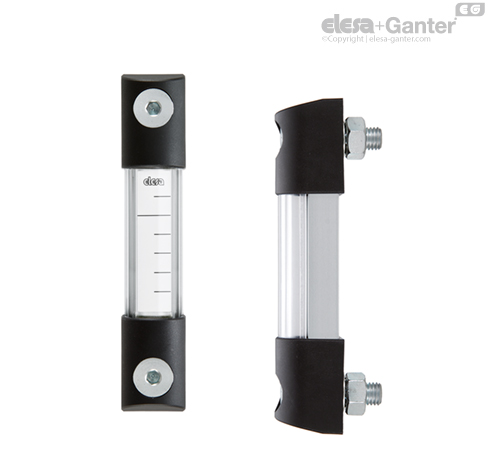
Elsa+Ganter 113355-KN HCK.127-SST-M12-NBR-GL-P-E-NC-KN Electrical Level Indicator
Product Overview
The Elesa+Ganter 113355-KN electrical level indicator is engineered for hydraulic and industrial fluid systems that require a clear level reading and a minimum level electrical signal. As part of the HCK.127 range, it provides a compact column-style viewing format with a 127 mm hole centre distance.
Construction and Materials
This model uses SST stainless steel fixing elements, including AISI 303 screws and AISI 304 nuts and washers. The NBR O-ring supports continuous working temperature up to 100°C. The GL tube is transparent borosilicate glass, making the indicator suitable for oil, water and water/glycol-based solutions up to 50%. The transparent polycarbonate front protection is removable, helping maintenance teams clean and inspect the indicator more easily.
NC Electrical Contact
The NC contact configuration is designed so the circuit opens when the minimum fluid level is reached. For many control systems, this is a practical signalling logic because it can help identify a low-level condition through a change in circuit continuity. The Elesa+Ganter 113355-KN HCK.127-SST-M12-NBR-GL-P-E-NC-KN electrical level indicator can therefore support alarm panels, machine interlocks and monitoring inputs.
Application Areas
This product type is commonly used in hydraulic reservoirs, lubrication systems, compact power units, production machinery and technical maintenance environments. It helps operators check the fluid level visually while also enabling electrical supervision of minimum level status.
Elesa+Ganter 113355-KN For more information, visit Elesa+Ganter.
Elesa+Ganter 113355-KN FAQ
What does NC mean?
NC means normally closed. The contact opens when the liquid reaches the minimum level threshold.
What product type is this?
It is an electrical level indicator with a column viewing window and a minimum level sensor for hydraulic and fluid systems.
Can operators read the level directly?
Yes. The column indicator provides a visible fluid level reference, while the sensor adds electrical monitoring capability.
Why is borosilicate glass used?
Borosilicate glass supports clear visibility and compatibility with oil, water and water/glycol-based solutions in suitable operating conditions.