
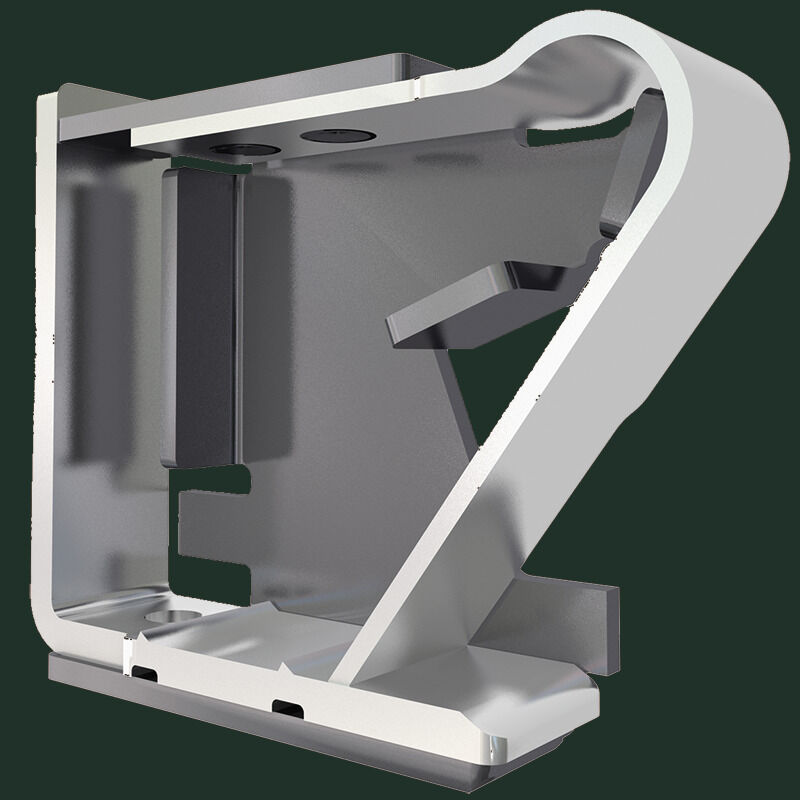
Weidmüller BLF 5.08HC/19/90F SN OR BX PCB Connector
The Weidmüller BLF 5.08HC/19/90F SN OR BX, order number 1002260000, is a robust pluggable PCB connector created for industrial electronics that require a high circuit count in a structured, serviceable format. With 19 poles, it is a clear fit for applications where the board connection needs to carry a substantial number of signals or mixed-purpose circuits without being split into multiple connection groups.
That alone makes it relevant for machine control electronics, complex interface boards, multi-channel instrumentation, and OEM controller platforms. Engineers frequently look for a Weidmüller 19-pole PCB connector or a 5.08 mm female plug connector when they want to keep board wiring centralized while still preserving ease of service.
Technical Definition of the Weidmüller 1002260000
The official product information identifies the Weidmüller BLF 5.08HC/19/90F SN OR BX as a female PCB plug-in connector with a 5.08 mm pitch, 19 poles, and a 90-degree design. It uses PUSH IN with actuator and supports a maximum clamping range of 3.31 mm². The family description also refers to high vibration resistance, durable contact, and tool-free wire connection, all of which strengthen its suitability for real industrial conditions.
These characteristics matter because higher pole-count connectors must do more than fit on the PCB. They need to remain manageable for technicians and reliable for the application across repeated handling cycles.
Why a 19-Pole Connector Can Be the Right Answer
A Weidmüller BLF 5.08HC/19/90F SN OR BX female PCB connector is useful when a designer needs a nearly 20-circuit connection but wants to avoid an oversized arrangement or unnecessary unused positions. In tailored board designs, unusual pole counts often make more sense than standardized round numbers. They reflect the actual electrical architecture rather than a convenient approximation.
Using the exact pole count can make labeling cleaner and reduce confusion in production or field service. It also gives the finished product a more deliberate and polished engineering character.
Layout Logic and Housing Benefits
The 90-degree structure helps keep conductor routing parallel to the board, which is a major advantage in cabinet electronics, DIN-related assemblies, and compact industrial housings. Horizontal wire exit can reduce congestion above the PCB and allow a more predictable harness path. That is especially important with 19 poles, because wire management becomes more challenging as circuit count increases.
The pluggable concept further supports maintainability. Boards can be disconnected more conveniently, which reduces downtime during inspection or module replacement.
Daily Handling and Long-Term Usability
PUSH IN connection technology supports quick installation, while the actuator provides controlled release during maintenance. When multiple poles are involved, intuitive handling becomes even more important. Installers need a connection system that remains efficient instead of becoming slow and error-prone as circuit count rises.
For more information on related connector families and industrial connection products, see Weidmüller.
FAQ
What kind of application needs a 19-pole PCB connector?
Applications with a high number of grouped signals, control lines, auxiliary functions, or mixed I/O circuits often need this type of connector. It is especially relevant in custom automation electronics and OEM board designs.
Is the Weidmüller BLF 5.08HC/19/90F SN OR BX hard to work with because of the pole count?
Not necessarily. In fact, the pluggable format and PUSH IN with actuator design help make a higher pole count more manageable. Those features are particularly valuable when many conductors need to be terminated in a compact space.
Why does exact pole count matter?
Because it helps the connector match the circuit architecture more precisely. That can reduce unused positions, improve clarity, and make documentation and service work easier to follow.
Is a right-angle connector better for wiring organization?
In many industrial housings, yes. Right-angle connectors help guide wires in a controlled direction and often make better use of limited enclosure space.
Is this connector mainly chosen by design engineers or installers?
Usually both. Engineers select it for fit and function, while installers and service teams benefit from the practical handling advantages it brings later in the lifecycle.