
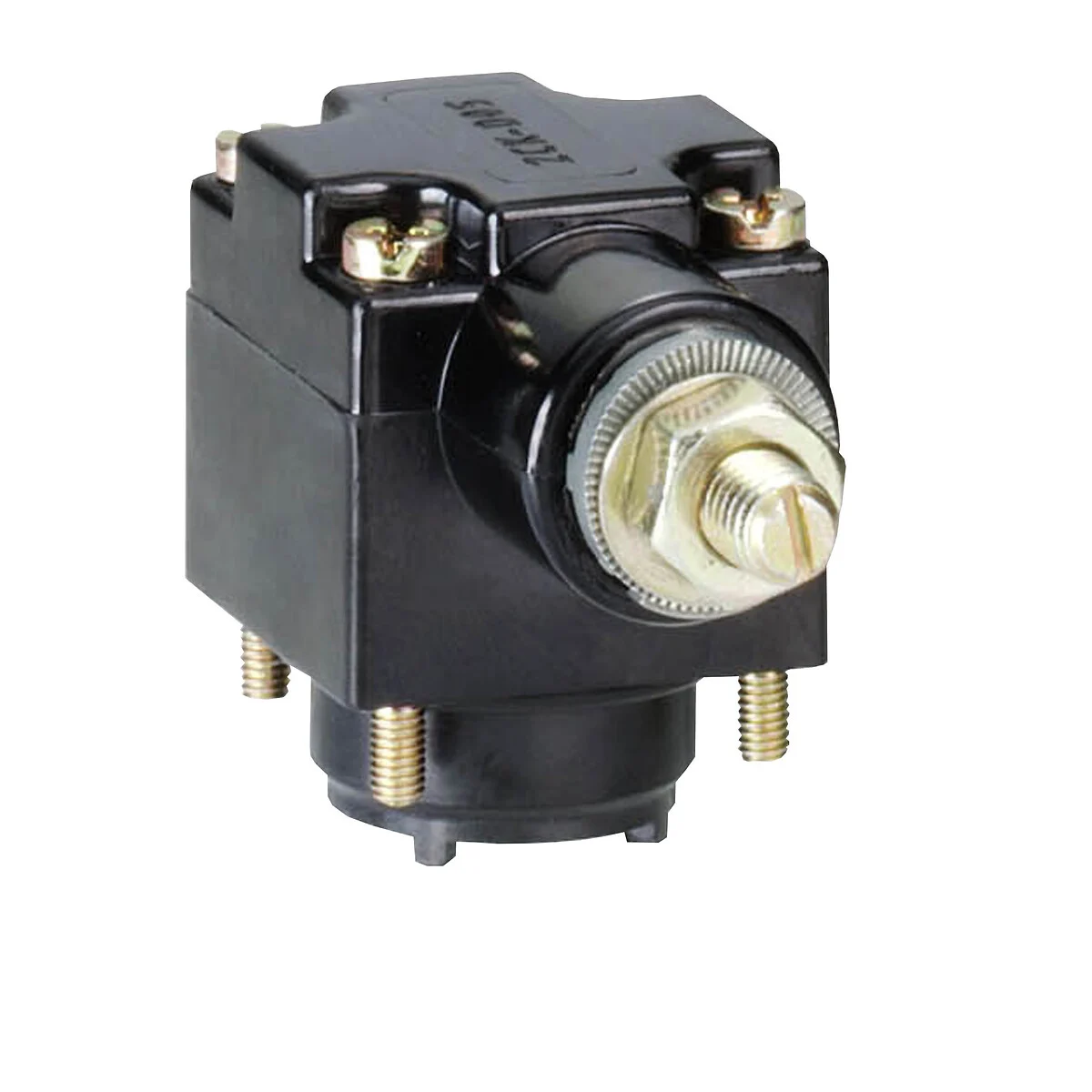
Telemecanique ZCKY43 Limit Switch Lever: Variable-Length Steel Roller Lever for XC Standard Actuation
The Telemecanique ZCKY43 Limit Switch Lever is an operating lever accessory designed to shape how a limit switch head responds to motion. In real plants, levers are not “small parts”—they define the geometry of actuation, influence repeatability, and determine how forgiving the system is to mechanical tolerances. ZCKY43 is typically selected when you need a steel roller lever with variable length, giving technicians a practical tuning lever (literally) to match cam paths and approach angles.
If your maintenance strategy includes standardizing on XC Standard components, levers like ZCKY43 are the tools that let you reuse the same underlying head/body but tailor mechanical engagement per station. For related components used in industrial environments, see Telemecanique sensor selections commonly applied across automation lines.
What ZCKY43 Is (Functional Role)
ZCKY43 is a limit switch lever accessory intended for compatible XC Standard heads. The lever translates a machine’s motion—often from a cam or moving plate—into a controlled actuation of the head mechanism. The roller reduces friction, and the adjustable/variable length concept helps adapt to machine geometry without redesigning brackets.
Key Technical Characteristics
- Product type: Limit switch lever (ZCKY family)
- Movement: Rotary actuation behavior when installed on compatible heads
- Operator style: Roller lever, spring return, metal roller
- Feature: Variable length configuration for tuning actuation geometry
- Temperature intent: Extended industrial range (commonly referenced for harsh environments)
Why Variable Length Is Valuable
Machines are rarely perfect: tolerances stack, mounting holes drift, and cams wear. Variable length levers provide a tuning range so you can:
- Adjust the switching point without moving the entire switch assembly
- Improve actuation “decisiveness” by changing leverage
- Reduce mechanical stress by optimizing approach angles
Selection Guidance: When ZCKY43 Is a Strong Fit
- Cam-driven stations where a roller reduces wear and friction
- High-cycle applications where sliding contact would degrade quickly
- Stations with frequent adjustments during commissioning or product changeovers
Telemecanique ZCKY43 Installation Best Practices
1) Avoid Partial Actuation
Chatter is often caused by a cam that barely touches the switching threshold. Adjust lever length and cam profile engagement so the actuation passes cleanly through the switching point.
2) Keep the Roller Rolling
If the cam engages at an odd angle, the roller can skid instead of roll. That creates wear and inconsistent switching. Align approach direction and provide smooth cam surfaces.
3) Validate Return Behavior
Spring return levers must fully reset each cycle. Verify clearance and ensure no mechanical interference prevents full return.
Telemecanique ZCKY43 Typical Applications
- Packaging lines: cam sequencing and gate confirmation
- Conveyors: position feedback with mechanical flags
- Assembly machines: end-of-stroke confirmation where dust or oil affects optical sensors
Telemecanique ZCKY43 FAQ
Does Telemecanique ZCKY43 work as a sensor by itself?
No. It is a lever accessory used with compatible limit switch heads and bodies.
What’s the main advantage of a roller lever?
Reduced friction against cams and ramps, typically improving wear characteristics and repeatability.
How do I choose the correct lever length?
Choose a length that provides decisive actuation without excessive overtravel force. Longer leverage can reduce required force but may change the switching point sensitivity.
What causes premature lever wear?
Skidding contact (roller not rolling), abrasive cam surfaces, misalignment, and excessive side loading are common causes.