
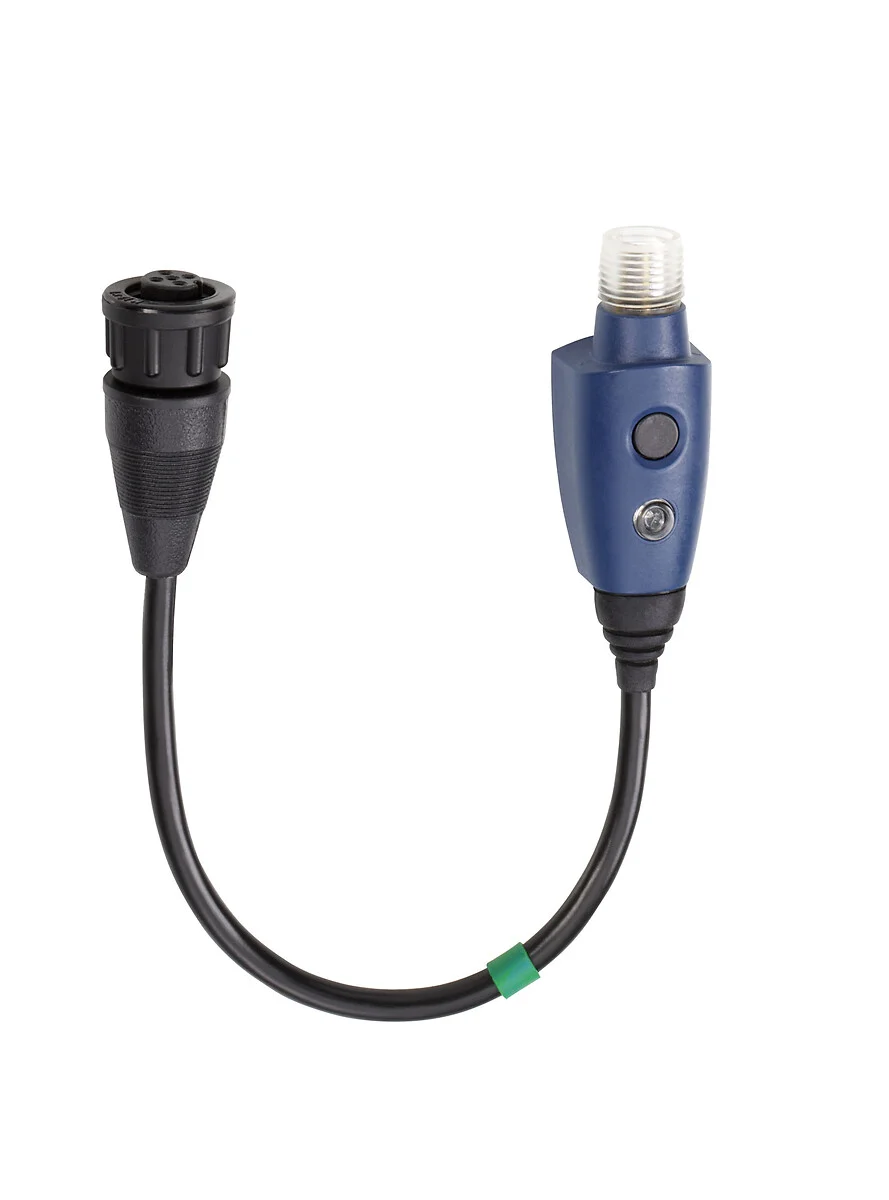
Telemecanique XXS30B1PM12 Ultrasonic Sensor: 1 m Diffuse Detection with M30 Ruggedness
Ultrasonic sensing is often selected when optical methods struggle—transparent objects, variable colors, and dusty environments can undermine photoelectric reliability. Ultrasonic technology measures distance or presence using acoustic waves, making it inherently less dependent on target color and surface finish. The Telemecanique XXS30B1PM12 ultrasonic sensor is specified as a cylindrical M30 straight sensor with a 1 m class detection capability, designed for robust industrial use where stable presence detection is a governance requirement.
This technical article explains the specification set of the Telemecanique XXS30B1PM12 ultrasonic sensor, how to integrate it electrically and mechanically, and how to avoid typical commissioning mistakes that cause false absence or nuisance triggers.
Product Identity and Key Characteristics
The manufacturer reference explicitly describes the Telemecanique XXS30B1PM12 ultrasonic sensor as: metal, cylindrical M30, straight, 1 m, PNP.
- Sensor design: Cylindrical M30
- Detection system: Diffuse
- Output: Discrete, PNP; 1 NO or 1 NC programmable
- Wiring technique: 5-wire
- Supply: 12…24 V DC with reverse polarity protection
- Connection: Male connector M12, 5 pins
- Switching frequency: 11 Hz
- Protection: IP65 and IP67
The 11 Hz switching frequency indicates the sensor is intended for stable industrial presence/distance tasks rather than ultra-high-speed micro-events. In other words, it fits best where the process rhythm is moderate and where the value comes from reliability across target variability.
Why Ultrasonic Sensing Helps in Difficult Target Scenarios
The Telemecanique XXS30B1PM12 ultrasonic sensor is often considered when targets are challenging for optics, such as translucent packaging, glossy films, or mixed-color products. Because ultrasonic response is tied to acoustic reflection, color changes do not inherently destabilize the signal. That said, geometry still matters: angled surfaces can reflect sound away from the sensor and reduce detection margin.
For governed applications, treat the detection zone as a controlled corridor and validate with the worst-case product orientation that will occur during production.
Electrical Integration: PNP Output and Programmable NO/NC
PNP output is widely compatible with PLC digital inputs, but operational clarity depends on how you define “true.” The reference indicates programmable NO/NC behavior. A disciplined integration approach includes:
- Documenting whether output ON means “object present” or “echo stable.”
- Standardizing NO/NC usage across stations to avoid inconsistent troubleshooting outcomes.
- Keeping input filtering aligned to the 11 Hz switching behavior so you do not add latency that masks real events.
The M12 5-pin interface supports modular replacement and stable field connectivity. In real plants, that reduces downtime because technicians can replace a sensor without re-terminating conductors in a cabinet.
Mechanical Integration: M30 Body, Mounting, and Acoustic Geometry
The M30 cylindrical metal design supports robust mounting. Still, acoustic geometry can be undermined by tight recess mounting or shielding structures that create unwanted reflections. The practical guideline is to keep the sensor face clear and avoid placing it inside narrow tubes unless the application is designed for that acoustic environment.
Commissioning should include a stability check across:
- Minimum and maximum expected object distances within the 1 m class zone.
- Different target materials and orientations.
- Normal background conditions and nearby machines that may create acoustic noise.
Operational Diagnostics and Preventive Maintenance
Because the sensor is software configurable with synchronisation mode, multi-sensor layouts can be engineered for side-by-side stability. In practice, this is critical in tight conveyor zones where multiple ultrasonic sensors could otherwise cross-talk. A maintenance-friendly strategy is to document configuration settings as part of the asset record so replacements can be commissioned quickly and consistently.
For related ecosystem patterns and selection guidance, use: Telemecanique sensor.
FAQ
- What is the Telemecanique XXS30B1PM12 ultrasonic sensor?
It is an ultrasonic diffuse sensor in a cylindrical M30 straight metal body, 1 m class, with PNP output. - What supply voltage does it require?
It is specified for 12…24 V DC with reverse polarity protection. - What connector is used?
It uses a male M12 connector with 5 pins. - How fast is switching?
Switching frequency is specified as 11 Hz. - What is a typical cause of missed detection?
Angled surfaces that reflect ultrasonic waves away from the sensor, reducing echo strength.
When acoustic geometry is validated and output conventions are standardized, the Telemecanique XXS30B1PM12 ultrasonic sensor delivers stable 1 m class detection for industrial material handling and packaging automation.