
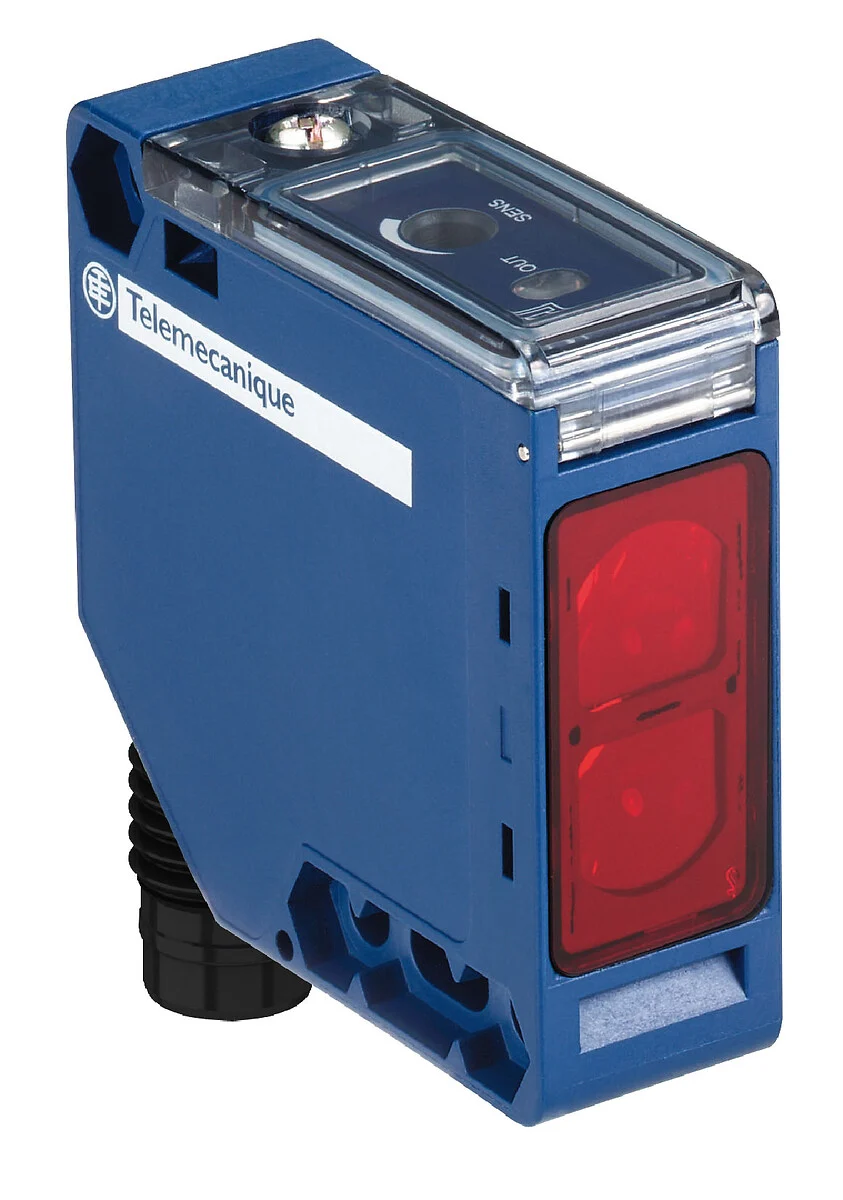
Telemecanique XUZA218 Mounting Bracket: Reliable Mechanical Support for Sensor Installation
The Telemecanique XUZA218 mounting bracket is a dedicated mechanical accessory designed to ensure stable installation of industrial sensors in automation systems. Proper mounting plays a critical role in maintaining detection accuracy and long-term reliability. The Telemecanique XUZA218 mounting bracket provides structural support and alignment precision for compatible sensor models.
Technical Characteristics of Telemecanique XUZA218 Mounting Bracket
- Product type: Sensor mounting bracket
- Material: Industrial-grade metal construction
- Application: Secure mounting of photoelectric or proximity sensors
- Installation method: Bolt-fixed bracket design
- Compatibility: Designed for Telemecanique sensor families
The XUZA218 mounting bracket supports precise sensor positioning, minimizing vibration-related misalignment. Stable mechanical installation reduces false triggering and enhances overall detection consistency.
Industrial Usage
Mounting accessories are essential in conveyor systems, robotic arms, packaging machinery, and automated inspection stations. The Telemecanique XUZA218 mounting bracket ensures that sensors maintain their defined sensing angles and distances.
Mechanical integrity directly influences sensor performance. Improper mounting may cause unstable readings, particularly in high-speed production lines.
To review compatible sensing solutions, visit Telemecanique sensor integration resources.
Installation Recommendations
Engineers should ensure proper torque application during installation and verify that mounting surfaces are stable and free of vibration. Correct alignment guarantees optimal sensing range.
FAQ: Telemecanique XUZA218 Mounting Bracket
- Q1: What is its primary function?
A: It provides mechanical support for sensor installation. - Q2: Is it compatible with Telemecanique sensors?
A: Yes, it is designed for compatible sensor families. - Q3: Why is proper mounting important?
A: It ensures detection accuracy and reduces false triggering. - Q4: What material is it made from?
A: Industrial-grade metal construction. - Q5: Where is it typically used?
A: Conveyor systems, robotic cells, and automated lines.