
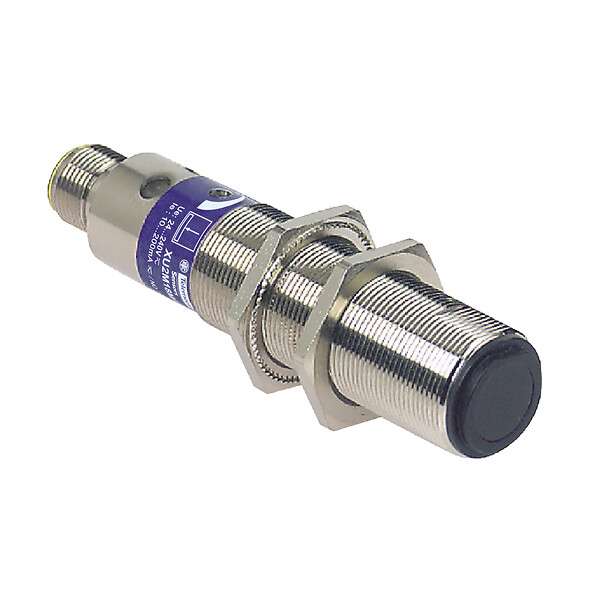
Telemecanique XU2M18AP20D Photoelectric Sensor: Technical Characteristics and Integration Notes
The Telemecanique XU2M18AP20D photoelectric sensor is engineered for dependable object detection in industrial automation where longer sensing distance and stable alignment are priorities. As a thru-beam, high-gain configuration, it is designed to support consistent detection across extended machine spans, helping teams reduce false switching caused by ambient light, dust, or variable target reflectivity. The outcome is a predictable discrete signal that can be trusted for counting, presence verification, and interlock logic in production lines.
Product definition and positioning
The Telemecanique XU2M18AP20D photoelectric sensor belongs to the XU photoelectric sensors range and is specified as a thru-beam, high gain model with Sn 50 m, operating on 12…24 VDC and using an M12 connection format. This places it in the category of long-distance photoelectric sensing where the emitter/receiver optical path is used to detect interruption by an object passing through the beam.
Core technical specifications
- Brand + code + type: Telemecanique XU2M18AP20D photoelectric sensor
- Detection system: Thru-beam, high gain :
- Sensing distance: Sn 50 m
- Supply: 12…24 VDC
- Connection: M12
- Documentation source: Product datasheet available in PDF format
How thru-beam high-gain sensing behaves in real machines
In a thru-beam architecture, detection depends on maintaining a clean optical line between the emitter and receiver. The Telemecanique XU2M18AP20D photoelectric sensor is typically selected when the application needs a stable response over distance and where targets can vary in color or surface finish. Unlike diffuse modes that rely on reflected light from the target, thru-beam logic is based on beam interruption. This generally improves robustness when targets are dark, matte, or inconsistently reflective, because the control decision is “beam present” versus “beam blocked,” rather than “reflection strong enough.”
Mechanical alignment and installation governance
For the Telemecanique XU2M18AP20D photoelectric sensor, installation quality often determines the long-term signal stability more than any parameter on paper. Prioritize rigid mounting brackets, keep the optical faces clean, and protect the beam path from direct spray or heavy airborne contamination where possible. In commissioning, validate detection under worst-case conditions: maximum machine vibration, typical dust levels, and at the fastest expected product flow. This helps ensure the beam interruption is interpreted consistently by the PLC input circuit and that jitter does not create double counts.
Electrical integration and traceable labeling
Because this model is defined by its long-range thru-beam and DC supply, your documentation should label the I/O point explicitly as Telemecanique XU2M18AP20D photoelectric sensor, not merely “photoeye.” That phrase is useful for maintenance traceability, especially when multiple sensing technologies coexist on the same asset. The product reference page confirms the core configuration: thru-beam, high gain, Sn 50 m, 12…24 VDC, M12.
Operational best practices
- Use a consistent alignment procedure during setup and after any bracket replacement.
- Validate detection on the smallest and fastest moving objects that will pass through the beam.
- Introduce basic cleanliness checks into routine maintenance if the environment is dusty.
- Keep spare parts consistent by stocking the exact reference: Telemecanique XU2M18AP20D photoelectric sensor.
For cross-family selection consistency and general sensor architecture alignment, review the Telemecanique sensor portfolio and standardize mounting and wiring rules across assets.
FAQ
- What detection system does the Telemecanique XU2M18AP20D photoelectric sensor use?
It is specified as a thru-beam, high gain model. - What is the sensing distance?
Sn is listed as 50 m. - What supply voltage is required?
The reference indicates 12…24 VDC operation. - What connection format is used?
The model is specified with M12 connection. - Why choose thru-beam instead of diffuse for difficult targets?
Thru-beam detection is based on beam interruption, reducing sensitivity to target color and reflectivity changes.