
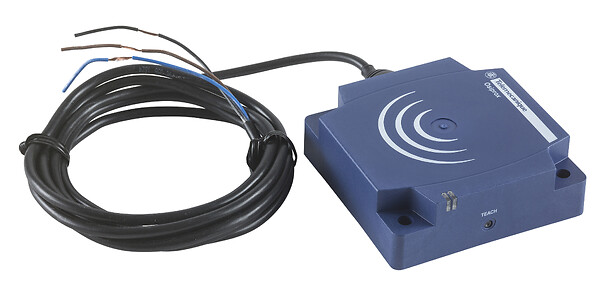
Telemecanique XS8D1A1NAL2 Inductive Proximity Sensor Guide
The Telemecanique XS8D1A1NAL2 inductive proximity sensor is engineered for industrial automation systems that require dependable detection of metallic targets without physical contact. As part of the Telemecanique XS product family, this sensor is designed to support continuous industrial operation while maintaining stable detection performance.
Inductive proximity sensors are commonly used in automated production systems because they provide accurate sensing with reduced mechanical wear. The XS8D1A1NAL2 is suitable for machinery where position monitoring, movement detection, and object confirmation are important for process control.
Operating Principle
The sensor operates through inductive sensing technology. An electromagnetic field is generated from the sensor face, and when a metallic object enters this field, the sensor detects the change and activates its output signal.
This contactless operating principle makes the sensor highly suitable for industrial environments where mechanical switches may wear out due to repetitive use or vibration.
Telemecanique XS8D1A1NAL2 Technical Overview
- Product type: Inductive proximity sensor
- Series: Telemecanique XS8
- Detection method: Non-contact metal sensing
- Industrial compatibility: Automation systems
- Connection type: Cable connection
- Housing: Industrial-grade construction
- Protection level: Suitable for industrial environments
Common Industrial Uses
The Telemecanique XS8D1A1NAL2 inductive proximity sensor is frequently installed in conveyor systems, automated assembly equipment, industrial transport systems, and production machinery.
Factories often use sensors like this to monitor moving components, verify machine positioning, or confirm the presence of metallic parts during manufacturing processes. Reliable sensing helps improve operational accuracy while supporting automated machine control.
The sensor can also contribute to reducing unexpected downtime because non-contact sensing technology minimizes physical wear compared with mechanical alternatives.
Benefits in Automation Systems
Modern industrial automation depends heavily on accurate sensor feedback. Inductive sensors provide stable switching performance and can operate effectively in environments exposed to dust, vibration, and repetitive movement.
Another important advantage is maintenance reduction. Because there are no moving contact parts involved in the sensing process, inductive proximity sensors generally require less servicing over time.
For more information about industrial sensing technologies, visit Telemecanique automation products.
Telemecanique XS8D1A1NAL2 FAQ
What is the main function of the XS8D1A1NAL2?
The sensor is designed to detect metallic objects without physical contact in industrial automation systems.
Where is the XS8D1A1NAL2 commonly used?
It is widely used in conveyors, assembly systems, packaging machinery, robotic applications, and industrial production equipment.
Why are inductive sensors preferred over mechanical switches?
They reduce physical wear, improve reliability, and support stable long-term operation in repetitive industrial processes.
Can this sensor operate in demanding environments?
Yes. Industrial inductive sensors are developed for environments where vibration, dust, and continuous operation are common.
Does the XS8D1A1NAL2 require direct contact with the target?
No. The sensor performs non-contact detection using an electromagnetic field.
What industries benefit from inductive proximity sensors?
Industries such as manufacturing, logistics, robotics, automotive production, and packaging frequently use these sensors for automation control.