
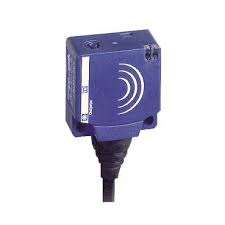
Telemecanique XS7E1A1PAL2 Inductive Proximity Sensor: Compact 26×26×13 Metal Detection
The Telemecanique XS7E1A1PAL2 inductive proximity sensor is built for compact automation spaces where sensor placement must be precise and unobtrusive. Its small flat-form housing supports clean mounting in tight fixtures, while still delivering the operational predictability expected from industrial inductive sensing.
What this sensor is
The Telemecanique XS7E1A1PAL2 inductive proximity sensor uses a flat form 26 × 26 × 13 enclosure made from PBT. It is flush mountable and provides discrete switching suitable for PLC digital inputs. This model is typically used where a small footprint is essential, but you still want dependable metal presence confirmation.
Technical specifications
- Brand + code + type: Telemecanique XS7E1A1PAL2 inductive proximity sensor
- Housing: Flat form 26 × 26 × 13, PBT enclosure
- Mounting: Flush mountable
- Nominal sensing distance (Sn): 10 mm
- Output: Discrete, 3-wire, PNP, 1 NO
- Supply: 12…24 V DC with reverse polarity protection
- Connection: Cable, 2 m
- Protection: IP68
- Switching frequency: up to 1000 Hz
Why a 10 mm nominal sensing distance can be ideal
In precision assembly and compact packaging equipment, a moderate sensing distance can be a benefit, not a limitation. The Telemecanique XS7E1A1PAL2 inductive proximity sensor supports a controlled detection field that helps reduce accidental switching from nearby metal parts. When engineers design fixtures with dense metal components, shorter-range sensors often provide cleaner logic signals.
Electrical integration: PNP NO behavior
This sensor is a 3-wire DC PNP model with normally open output. For controls teams, that means the input turns active when the metal target is detected. If you maintain multiple flat sensors in a spare pool, label bins and maintenance sheets with the full identifier—Telemecanique XS7E1A1PAL2 proximity sensor—to prevent range or output mismatches.
Mounting and repeatability considerations
Flush mounting supports consistent actuation points, but repeatability still depends on target geometry. Use a stable metal target surface, keep the sensor face clean, and avoid mounting the sensor where vibration can shift the bracket. During commissioning, validate detection at the expected machine tolerance limits so the sensor is not operating right on the edge of its operating zone.
Where the XS7E1A1PAL2 fits best
- Compact fixtures and jigs with limited mounting space
- Small conveyors, diverters, and indexing mechanisms
- Packaging machinery where a flat sensor simplifies installation
- Presence confirmation of metal carrier plates or target tabs
Maintenance approach
Most field issues are mechanical or installation-related: cable strain at the housing exit, target drift over time, or accidental introduction of nearby metal that changes the sensing field. Use the LED output state as a fast diagnostic, and verify supply voltage quality if switching becomes inconsistent.
To align selection standards across your line and compare similar devices, consult Telemecanique sensor references for consistent form-factor and protection-level decisions.
Telemecanique XS7E1A1PAL2 FAQ
- What is the nominal sensing distance for the Telemecanique XS7E1A1PAL2 inductive proximity sensor?
It is specified with Sn 10 mm. - Is the output PNP and normally open?
Yes, it is a 3-wire DC PNP sensor with 1 NO output function. - What voltage supply is required?
It operates on 12…24 V DC with reverse polarity protection. - Is it flush mountable?
Yes, the model is designed for flush mounting. - What is the ingress protection rating?
It carries an IP68 rating.