
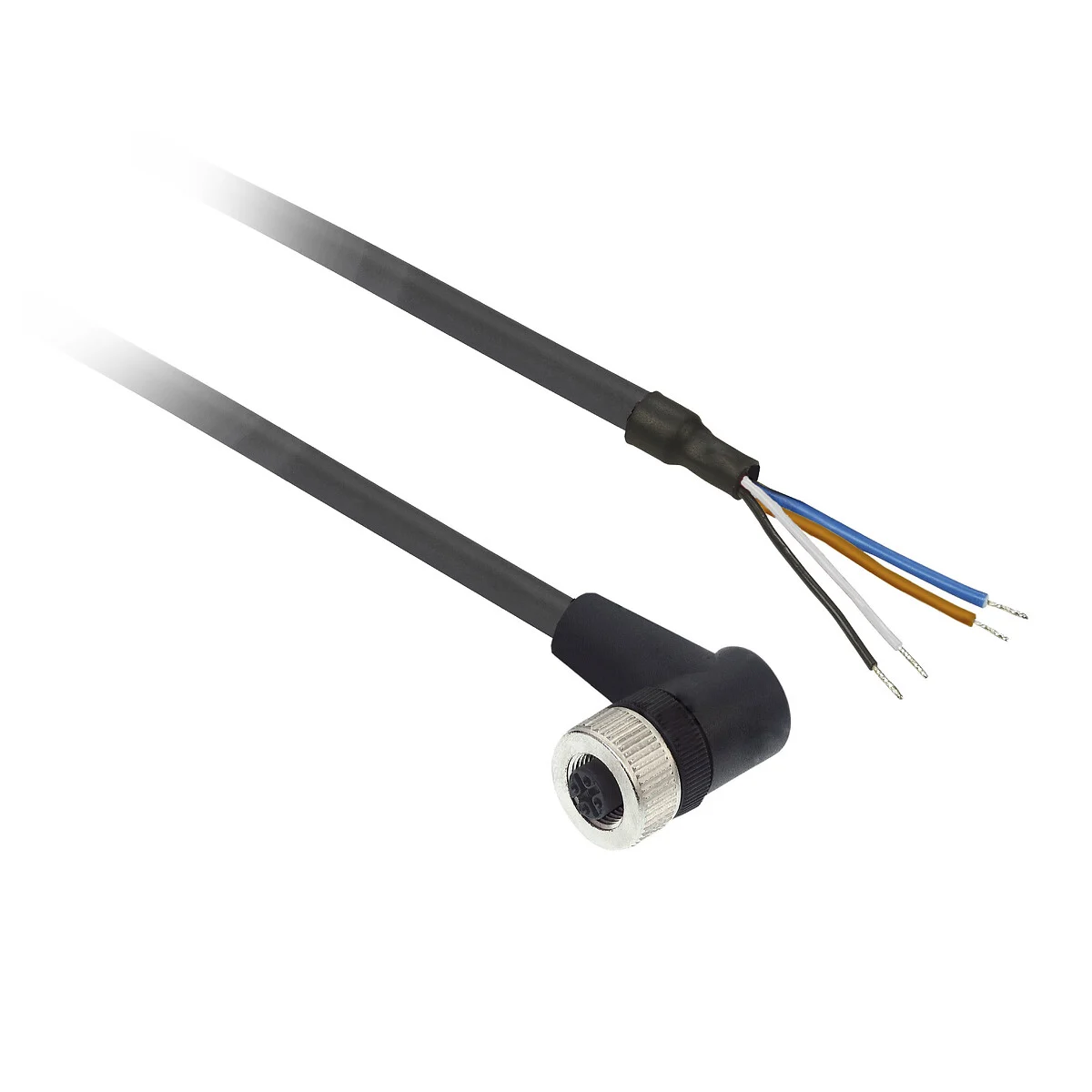
Telemecanique Sensors XMLP160BD21F Pressure Transmitter: 0–160 bar Monitoring for High-Pressure Industrial Systems
The Telemecanique Sensors XMLP160BD21F pressure transmitter is designed for higher-pressure monitoring where the process dynamics and risk profile are different from low-pressure utility lines. In 0–160 bar systems, pressure spikes, mechanical stress, and leakage consequences are amplified. Continuous measurement helps operations teams not only control performance but also manage risk: spikes become visible, drift becomes traceable, and abnormal behavior can trigger preventive action.
What XMLP160BD21F Is Referenced To Provide
The Telemecanique Sensors XMLP160BD21F pressure transmitter is referenced as an XMLP pressure transmitter with a 160 bar pressure class, 4–20 mA output, G 1/4A male process connection, and M12 electrical connection. This profile matches industrial standards for robust analog signaling and straightforward field replacement.
Why 0–160 bar Needs a Different Mindset
At higher pressures, transient events matter. A fast valve closure can create a pressure wave. A pump that cavitates can create unstable pressure signatures. Continuous monitoring makes these behaviors visible. Rather than treating faults as “random,” teams can correlate events with cycle steps and isolate root causes faster.
When used properly, the Telemecanique Sensors XMLP160BD21F pressure transmitter supports both control and condition monitoring. It can feed closed-loop control for pressure-regulated processes, and it can feed diagnostics for maintenance strategy.
Installation: Reduce Pulsation and Protect the Measurement
Mounting location should avoid extreme pulsation when possible. If the only available point is near a pulsating source, consider mechanical damping or alternative tapping strategies that provide a more representative signal. Mechanically, keep the port clean and ensure sealing practice is aligned to your fitting method. Electrically, route the analog cable away from drive outputs and solenoid bundles where possible.
Because high-pressure systems can be harsh, cable management matters as much as sensor selection. Strain relief prevents connector stress, and good routing reduces electromagnetic interference risks.
Commissioning: Validate Scaling and Trustworthiness
Commissioning success looks like a stable, correctly scaled value that matches a reference gauge under operating conditions. Confirm that the PLC analog input is configured for a 4–20 mA loop and scaled for the correct engineering units. Validate across a few pressure points. Then observe the trend during real operation. If the value is noisy, investigate pulsation and wiring. If the value drifts, investigate temperature and process behavior.
Once the Telemecanique Sensors XMLP160BD21F pressure transmitter is validated, it becomes a strategic alarm source. For example, you can alarm on abnormal peaks, not just on low pressure. In high-pressure systems, that is often the difference between controlled maintenance and unexpected failure.
Maintenance: Interpret the Signal Before Replacing the Sensor
If your trend shows higher peaks over time, suspect valve timing or hydraulic shock. If baseline pressure falls, suspect leakage or pump wear. If oscillation increases, suspect air entrainment or unstable regulation. These interpretations help teams act on the process rather than cycling parts unnecessarily.
For broader product context, see Telemecanique sensor.
Telemecanique Sensors XMLP160BD21F FAQ
1) What is XMLP160BD21F?
It is a pressure transmitter for continuous monitoring and control in higher-pressure systems.
2) What range is associated with this reference?
It is referenced as a 0–160 bar pressure transmitter.
3) What output signal is referenced?
It is referenced with a 4–20 mA output.
4) What connections are referenced?
It is referenced with a G 1/4A male process port and an M12 electrical connector.
5) What is a common cause of pressure “noise”?
Hydraulic pulsation near valves and pumps, combined with poor wiring routing, commonly creates unstable trends.