
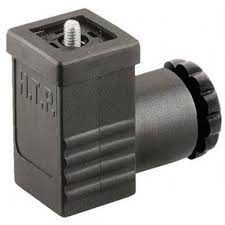
P1NZ3000 Type C Industrial Connector: Practical Information for Control Wiring and Solenoid Connections
Important note: the accessible technical sources for P1NZ3000 identify it primarily as a Type C industrial connector / cable socket, not as a clearly verifiable current Honeywell catalog item. Because technical accuracy matters more than forcing a brand match, this article focuses on the confirmed product format and application profile associated with the code P1NZ3000.
The P1NZ3000 industrial connector is typically referenced as a Type C cable socket used in control wiring, actuator interfaces, and solenoid valve connections. This category of connector is widely used in automation and fluid-control systems because it offers a compact method for connecting power and signal lines to devices that require secure, field-serviceable terminations.
What Type of Product Is the P1NZ3000?
The P1NZ3000 Type C industrial connector is listed as a cable socket without prewired leads, generally with 3 + PE contacts. That means it is designed for controlled wiring tasks where installers terminate conductors directly into the connector body. In practice, this style is common on valves, sensors, compact actuators, and process-control devices that rely on standardized rectangular connector geometry.
Its appeal comes from a simple value proposition: practical electrical connection, compact footprint, and maintainable installation. Engineers often search for a code like P1NZ3000 connector when they need to replace a worn connector, confirm pin count, or verify whether a given plug style matches existing field hardware.
Technical Characteristics Associated with P1NZ3000
Available distributor information describes the Type C cable socket as a black connector with screw connection, PG7 cable entry, IP65 protection when installed, and a nominal voltage around 250 V AC/DC. It is also associated with a 3 + PE pin arrangement and conductor cross-section guidance around 0.75 mm². These are practical details, not marketing details, and they are exactly what technicians look for during field replacement or panel design work.
The IP65 level is particularly relevant because connectors in process or machine environments are often exposed to dust, splashing liquids, and regular handling. A connector that is appropriately sealed once installed helps maintain control integrity and reduce nuisance failures at the wiring interface.
Where the Is Commonly Used
The P1NZ3000 industrial connector is well suited to automation cabinets, valve assemblies, machine-mounted control devices, and compact equipment that uses standardized industrial plug interfaces. It can support installations where reliable wire termination and straightforward maintenance are more important than high-pin-count complexity.
Because it uses a field-terminated approach, the connector also supports service flexibility. When a machine is repaired, upgraded, or rewired, technicians can replace or reterminate the connector rather than redesigning the surrounding electrical architecture. This is one reason why searches for P1NZ3000 Type C connector, cable socket, and industrial valve connector remain practical and recurring.
Why the P1NZ3000 Matters in Everyday Industrial Maintenance
Not every critical industrial component is large or expensive. Connectors are a good example. A small connector failure can interrupt a valve, disable an actuator, or create intermittent machine behavior that is difficult to diagnose. The cable socket matters because it sits at that intersection of wiring integrity, environmental resistance, and maintainability.
For maintenance teams, the main questions are usually direct: How many pins does it have? What cable entry does it use? Is it sealed? Is it screw-terminal? Can it handle the intended voltage? The available data for P1NZ3000 answers those questions in a way that supports informed selection.
FAQ: Type C Industrial Connector
What is the P1NZ3000?
The P1NZ3000 is commonly listed as a Type C industrial cable socket or connector used in control and valve-related wiring applications.
How many contacts does the P1NZ3000 have?
Available technical listings identify the connector as a 3 + PE configuration, which is a common arrangement for industrial control and actuator connections.
Is the P1NZ3000 suitable for dusty or damp environments?
It is listed with IP65 protection when installed, which indicates resistance to dust ingress and water jets under proper assembly conditions.
What connection method does the P1NZ3000 use?
The connector is described with a screw connection and PG7 cable entry, both of which are useful for field wiring and service work.
Why is the P1NZ3000 important for maintenance teams?
Because connectors often fail before the larger device does. Having the correct pin layout, sealing level, and wiring method helps restore equipment quickly and reduce electrical troubleshooting time.
For more information on broader industrial automation components and Honeywell-related product families, it can be useful to compare connector needs against the wider control architecture of the machine.