
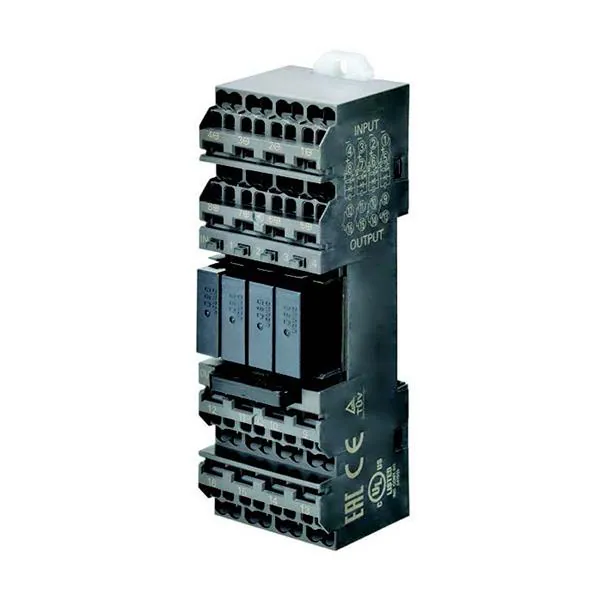
Omron G6D-F4PU 12VDC Relay Module Technical Overview
The Omron G6D-F4PU 12VDC relay module is a compact relay interface solution developed for PLC interfaces, industrial automation systems, and signal switching applications requiring stable low-voltage control. The G6D series is recognized for its slim construction, efficient PCB integration, and dependable switching performance in control environments.
The 12VDC coil version is widely selected in automation panels where low-power DC control systems are used. Omron designed the G6D family to support compact mounting arrangements while maintaining electrical isolation between control and output circuits. This makes the relay suitable for industrial machine builders, panel manufacturers, and process control engineers looking for reliable switching behavior in limited installation spaces.
Main Technical Features
The Omron G6D-F4PU 12VDC relay module uses a 12 VDC coil configuration optimized for electronic control systems and PLC outputs. Its relay structure supports stable signal transfer and compact installation, making it useful in systems where multiple relay points are required within a confined panel layout.
The G6D family is commonly associated with industrial automation interfaces and control signal switching. Omron developed the series to reduce wiring complexity while improving maintenance accessibility in automation cabinets. The relay module format also helps simplify integration into control assemblies where fast replacement and organized wiring are important operational considerations.
Industrial Automation Applications
The Omron G6D-F4PU 12VDC relay module is often found in factory automation systems, conveyor controls, packaging equipment, machine tools, and PLC-based switching panels. Engineers frequently use compact relay modules when multiple signals must be isolated or distributed efficiently inside electrical enclosures.
Its slim relay design helps maximize panel space while maintaining reliable switching performance. In industrial environments where uptime matters, relay modules are commonly selected for their straightforward maintenance structure and predictable operating characteristics.
Electrical Design Considerations
When implementing the Omron G6D-F4PU 12VDC relay module, designers should ensure that the control voltage remains stable and within rated operating tolerance. Electrical loads connected to the relay outputs should also be reviewed carefully, especially when switching inductive devices such as solenoids or small motors.
In automation systems, proper wiring layout and surge suppression practices can help improve long-term relay reliability. Engineers should also verify environmental conditions such as ambient temperature, vibration exposure, and enclosure ventilation when integrating relay modules into industrial panels.
For more information about Omron industrial components, visit Omron product solutions.
FAQ
What is the Omron G6D-F4PU 12VDC used for?
This relay module is commonly used for PLC interfaces, industrial automation systems, signal isolation, and compact control panel switching applications.
Why is a 12VDC relay module important in automation?
Many electronic control systems operate with 12 VDC outputs. A relay module designed for this voltage allows safe switching between low-voltage control circuits and external electrical loads.
Can the Omron G6D-F4PU 12VDC be installed in compact panels?
Yes. One of the primary advantages of the G6D relay series is its slim profile, which helps engineers optimize available cabinet space in dense automation installations.
What should engineers consider before installation?
Important considerations include operating voltage stability, switching current, environmental temperature, surge protection requirements, and proper panel ventilation.
Is the Omron G6D-F4PU 12VDC suitable for industrial use?
Yes. The relay module was developed for industrial control applications and is frequently integrated into machine control systems, process automation, and interface assemblies.