
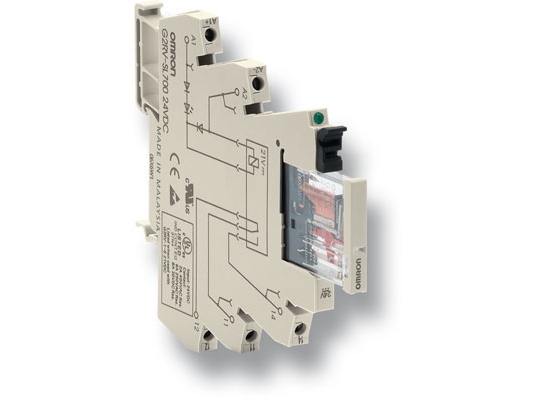
Omron G2RV-1-S-AP-G DC48 Slim I/O Relay
The Omron G2RV-1-S-AP-G DC48 slim I/O relay is a compact electromechanical relay used in industrial automation panels, interface circuits, and signal switching applications. Its 48 VDC coil voltage makes it suitable for control systems built around higher DC control voltage architectures.
Technical Characteristics
This relay is part of the Omron G2RV slim relay range. It is generally associated with SPDT contact operation and a 6 A contact class, making it useful for switching control signals and moderate relay loads. The slim structure supports organized cabinet layouts, especially in panels where multiple relays must be installed side by side.
Application Areas
The Omron G2RV-1-S-AP-G DC48 is often selected for PLC output isolation, signal conversion, machine control, and relay interface circuits. In automation environments, relays like this help separate electronic control devices from field wiring. This improves serviceability and makes troubleshooting easier during maintenance.
For additional Omron product options, see Omron industrial automation components.
Why 48 VDC Matters
48 VDC control systems are frequently used in industrial installations where voltage drop, signal stability, or system architecture requires a higher DC level than 12 VDC or 24 VDC. This relay should be selected only when the coil voltage, contact rating, and socket compatibility match the panel design.
FAQ
What is Omron G2RV-1-S-AP-G DC48 used for?
It is used for signal switching, PLC interface circuits, and control panel relay applications requiring a 48 VDC coil.
Is this a slim relay?
Yes. It belongs to Omron’s slim relay range, designed to save space in industrial control cabinets.
Can it switch AC and DC loads?
Relay contacts may be used with suitable AC or DC circuits if the voltage, current, and load type are within the approved rating. Always verify the application data before installation.
Is it suitable for automation panels?
Yes. It is commonly used in automation panels where relay isolation and compact mounting are required.
What should be checked before replacement?
The coil voltage, contact configuration, rated current, terminal compatibility, and socket or relay base compatibility should be confirmed.