
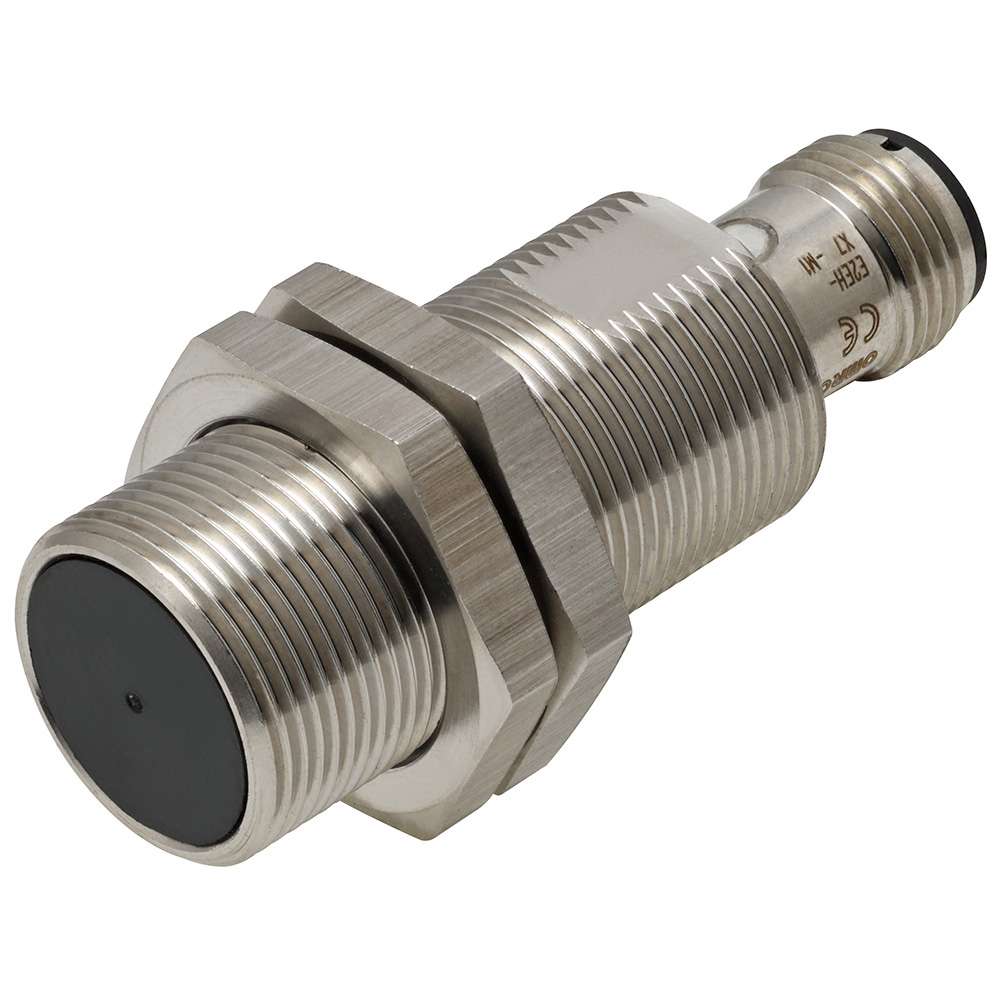
Omron E2E-X7D1-M1G Inductive Proximity Sensor: Technical Guide and Application Manual
When a machine must run continuously, sensor selection is not about saving a few pounds on the BOM — it is about selecting products that will not become a production problem. The Omron E2E-X7D1-M1G Inductive Proximity Sensor (12-24V DC) is designed precisely for that reality.
In a well-designed automation system, all components of the sensing layer must work in harmony. Omron’s Omron Sensor family is engineered to feed signals to relays and controllers from the same manufacturer.
About the Omron E2E-X7D1-M1G Inductive Proximity Sensor
The Omron E2E-X7D1-M1G is a Inductive Proximity Sensor rated at 12-24V DC designed to reliably handle industrial metal detection applications. Key engineering features include m18 body, 7 mm sensing distance, standard industrial type, ip67.
The engineering case for the Omron E2E-X7D1-M1G Inductive Proximity Sensor rests on clear advantages: m18 body, 7 mm sensing distance, standard industrial type, ip67. Voltage rating 12-24V DC, covers most industrial installation scenarios.
Specifications at a Glance
The table below summarises the main technical parameters of the Omron E2E-X7D1-M1G. For complete specifications, refer to the official Omron product datasheet.
| Parameter | Value |
|---|---|
| Product Type | Inductive Proximity Sensor |
| Operating Voltage | 12-24V DC |
| Output Type | NPN output |
| Output Current | 200 mA |
| Key Features | M18 body, 7 mm sensing distance, standard industrial type, IP67 |
| Mounting | Screw mount |
| Lifetime | Semiconductor |
| Operating Temperature | -25°C to +70°C |
| Compatible Accessory | Mounting bracket, cable extension |
Industry Use Cases
The Omron E2E-X7D1-M1G Inductive Proximity Sensor is commonly specified for the following applications:
- Industrial metal detection
- Conveyor position control
- Machine automation
Across these use cases, the consistent requirement is reliable detection — often in environments where an unplanned fault would create significant disruption. The Omron E2E-X7D1-M1G is designed with exactly those conditions in mind.
Installation Checklist
One practical aspect of working with sensors like the Omron E2E-X7D1-M1G Inductive Proximity Sensor is mounting consistency. If you have installed another sensor from the same family, the process is identical — same bracket, same cable connection, same adjustment method.
For ongoing maintenance, keep the sensor lens clean, check cable connections, and periodically test that the LED indicator functions correctly. Early intervention avoids the much larger cost of an unplanned production stop.
Omron E2E-X7D1-M1G: Long-Term Value
Omron’s reputation in automation did not come from clever advertising. It came from decades of sensors performing reliably in factories worldwide. The E2E-X7D1-M1G Inductive Proximity Sensor is a current embodiment of that engineering culture.
Frequently Asked Questions
What is the difference between the Omron E2E-X7D1-M1G and a mechanical limit switch?
The Omron E2E-X7D1-M1G Inductive Proximity Sensor performs contactless detection, meaning it requires no physical contact with the target. This means longer life and higher switching frequency.
How does temperature affect the Omron E2E-X7D1-M1G?
The Omron E2E-X7D1-M1G Inductive Proximity Sensor delivers reliable performance across its specified operating temperature range. At extreme temperatures, sensing distance may shorten.
Can multiple Omron E2E-X7D1-M1G sensors be mounted side by side?
Yes, but leave sufficient spacing between sensors to avoid mutual interference (crosstalk). The minimum spacing is stated in the datasheet.
Does the Omron E2E-X7D1-M1G have a test function?
The Omron E2E-X7D1-M1G Inductive Proximity Sensor is equipped with an LED indicator, allowing you to visually monitor the sensor’s operating status.
What is the warranty period for the Omron E2E-X7D1-M1G?
Omron provides a standard 12-month manufacturer warranty on products purchased through authorised distributors.