
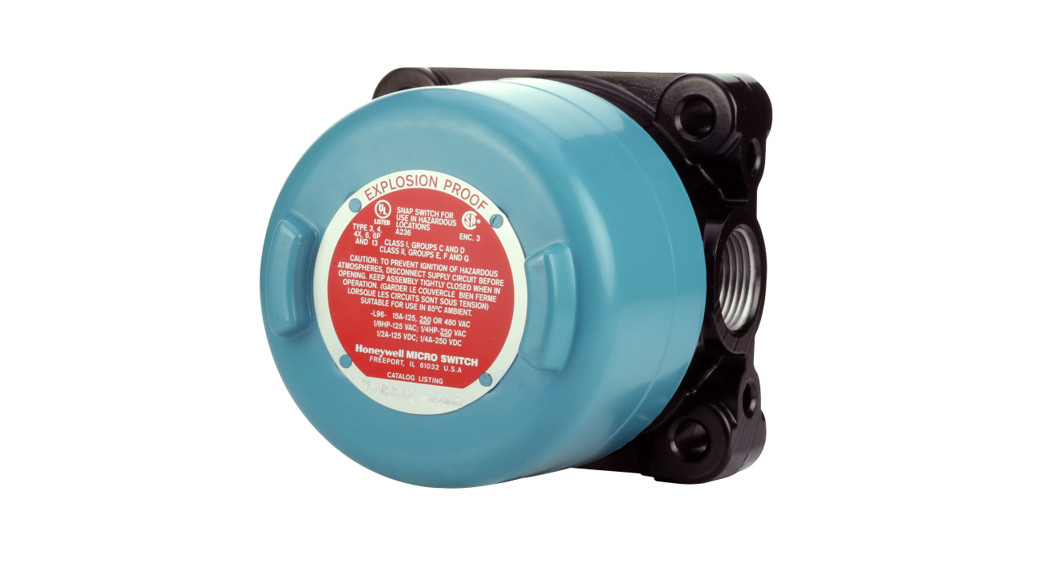
Honeywell 12CX106 Hazardous Location Snap Action Switch Overview
The Honeywell 12CX106 snap action switch is publicly identified as a hazardous location basic or snap action switch from Honeywell. That immediately places it in a serious industrial category where mechanical switching must stay reliable under pressure from dust, moisture, vibration, and demanding site conditions. For users searching for a Honeywell 12CX106 hazardous location switch, the product is best understood in the context of Honeywell’s CX switch platform, which is built for hazardous indoor and outdoor environments.
Understanding the Honeywell 12CX106 Product Type
The Honeywell 12CX106 industrial snap action switch is intended for mechanical actuation and position-based switching in control systems. Snap action switch designs are valued because they provide a quick, decisive contact transition, which helps reduce signal ambiguity in industrial equipment. In applications where repeatability matters, a Honeywell 12CX106 basic snap action switch can support more stable control feedback.
Key CX Series Technical Features
Honeywell’s official CX Series datasheet describes a platform with weather-sealed and explosion-proof construction for hazardous atmospheres. Technical characteristics include NEMA 1, 3, 4, 4X, 6, 6P, and 13 sealing, IP66 environmental protection, and operating temperatures from -25°C to 85°C. The series is also offered with epoxy-coated aluminum or corrosion-resistant bronze housings, plus conduit terminations such as 3/4 x 14 NPT or M25 x 1.5 mm. These family-level attributes are highly relevant when evaluating the Honeywell 12CX106 snap action switch for site conditions where mechanical and environmental durability are non-negotiable.
Where the Honeywell 12CX106 Works Well
The Honeywell 12CX106 hazardous location snap action switch suits applications that require a rugged electrical response to a physical movement. Examples include machine guarding, travel detection, valve indication, actuator feedback, and mechanical interlocking. In sectors such as oil and gas, chemical processing, and outdoor bulk handling, this kind of switch is often selected because it combines control functionality with enclosure resilience.
Why Snap Action Matters in Industrial Control
One of the practical strengths of a Honeywell 12CX106 basic snap action switch is the fast and defined switching response. In industrial automation, that matters because slow or inconsistent contact behavior can create nuisance faults, weak feedback signals, or maintenance headaches. A well-built snap action device supports cleaner state changes and better signal confidence in machine sequences.
For more information about Honeywell, reviewing the wider Honeywell hazardous area switch portfolio can help match the right device to the environment and control task.
FAQ
What is the Honeywell 12CX106 used for?
The Honeywell 12CX106 is used for mechanical position detection and electrical switching in industrial systems. It can help detect movement, travel limits, or actuator position in control and safety-related applications.
Is the Honeywell 12CX106 a hazardous location switch?
Yes, public distributor listings classify the 12CX106 as a hazardous location basic or snap action switch. The broader CX family is specifically documented for hazardous atmospheres and outdoor use.
Why would someone choose a snap action switch instead of a standard switch?
A snap action switch changes state quickly and predictably. That improves signal clarity and can reduce inconsistent switching behavior in machinery, especially in repetitive or vibration-prone environments.
Does the 12CX106 support harsh outdoor service?
The CX platform is built for weather-sealed, industrial use, with strong sealing and hazardous area design intent. For that reason, the Honeywell 12CX106 industrial snap action switch is suitable for demanding field environments when the exact ordered configuration matches the site requirements.
What should engineers verify before specifying the Honeywell 12CX106?
They should confirm the exact actuator style, contact arrangement, electrical rating, mounting details, and certification needs for the final application. That ensures the selected part aligns with both control logic and site compliance requirements.