
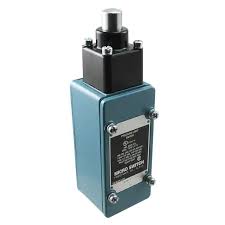
Honeywell 102ML1 Limit Switch
The Honeywell 102ML1 limit switch is an enclosed industrial switching device intended for mechanical position detection in equipment where dependable actuation is essential. Limit switches remain a core element in industrial design because they provide a direct, physical method of verifying movement, travel endpoints, or machine state. In systems where position must be confirmed reliably and clearly, a well-chosen electromechanical limit switch still offers practical advantages over more complex sensing solutions. The Honeywell 102ML1 limit switch fits that need with a compact industrial design associated with the ML Series.
Why the Honeywell 102ML1 Limit Switch Matters
The ML Series is known for combining compact format with meaningful switching capability. In many installations, available mounting space is limited, yet the switch still needs to deliver reliable mechanical response and practical electrical performance. The Honeywell 102ML1 limit switch answers that requirement by giving designers an enclosed switch option intended for industrial applications where control integrity matters.
Because the switch is enclosed, it offers a more protected configuration than an exposed switching element. That can improve suitability in machine environments where incidental dust, contact, or general service wear are part of normal operating life. For OEMs, integrators, and maintenance teams, the Honeywell 102ML1 limit switch provides a familiar and traceable part reference that supports lifecycle consistency.
Typical Applications
This type of switch can be used in conveyor systems, machine tools, access mechanisms, guarded equipment, automated motion systems, and industrial subassemblies where a moving part must trigger a controlled electrical response. A limit switch is especially valuable because it converts real physical travel into an actionable control signal. That makes it useful in stop-position control, machine interlocking, travel confirmation, and end-of-stroke indication.
Many engineers still prefer electromechanical limit switches for these tasks because the function is transparent and easy to troubleshoot. When a system includes a clearly mounted limit switch, service personnel can inspect the mechanical interaction directly rather than diagnosing a less visible sensor issue.
Selection and Installation Factors
Before specifying the Honeywell 102ML1 limit switch, engineers should review mounting arrangement, contact configuration, electrical rating, actuator interface, and the actual mechanical travel of the machine element involved. Proper alignment is essential. Even a durable switch can suffer from poor lifecycle performance if the actuation geometry is wrong or if overtravel is not managed correctly.
Documentation accuracy also matters. Using the correct Honeywell part number helps preserve service quality, replacement consistency, and control-system traceability. For more information about Honeywell, it helps to view this switch in the context of the wider industrial switching portfolio.
FAQ
What is the Honeywell 102ML1 limit switch used for?
It is used to detect mechanical position, travel limits, or movement endpoints in industrial equipment.
Is the Honeywell 102ML1 enclosed?
Yes. It is commonly described as an enclosed ML Series limit switch for industrial applications.
Why choose a limit switch instead of another type of sensor?
A limit switch offers direct physical actuation, simple troubleshooting, and clear position-based control in many machine designs.
Where can the Honeywell 102ML1 be applied?
It can be applied in conveyors, machine tools, automated equipment, guarded mechanisms, and motion-control systems.
What should engineers check before using it?
They should check actuator alignment, electrical requirements, mounting style, overtravel conditions, and the intended machine motion profile.