
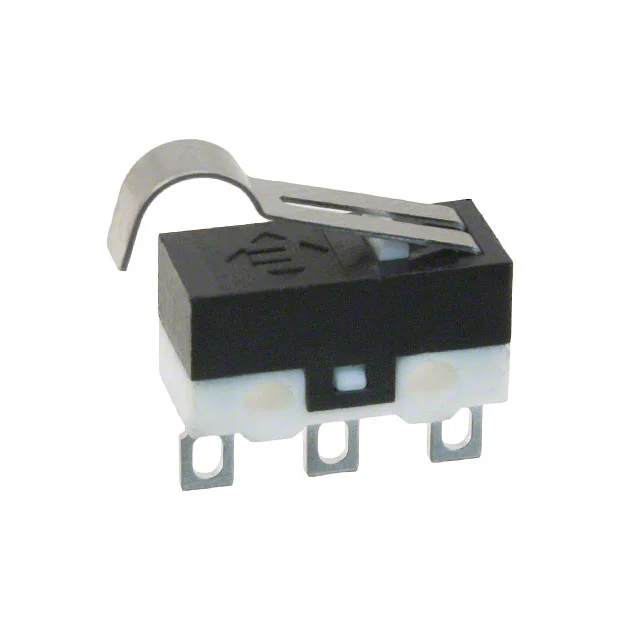
Honeywell 101HS1 Sealed Switch in Demanding Control Environments
The Honeywell 101HS1 sealed switch is built for applications where dependable switching matters more than cosmetic features or compact packaging. As part of the HS Series, this model uses a hermetically sealed switching chamber and a rugged lever actuator, making it a practical fit for aerospace equipment, heavy-duty machinery, and industrial systems exposed to dust, moisture, or corrosive atmospheres.
What Makes the Honeywell 101HS1 Sealed Switch Different?
A key advantage of the Honeywell 101HS1 sealed switch is its hermetic sealing. In real-world installations, contamination is often what shortens switch life. Fine particles, fluid ingress, and vapors can gradually compromise standard switch designs. The 101HS1 addresses that problem by isolating the switching chamber while keeping the mounting holes outside the sealed area.
This Honeywell 101HS1 sealed switch also uses a 1PDT configuration, which gives engineers flexibility when they need a common, normally open, and normally closed contact arrangement. That makes it useful in position sensing, interlock logic, and machine status monitoring.
Technical Characteristics of the Honeywell 101HS1 Sealed Switch
The model is associated with a 25 A electrical rating, screw termination, and a lever actuator format. It is designed for side mounting on 25.4 mm mounting centers and operates across a broad industrial temperature window. For designers working in transport, aviation support, or process equipment, these specifications help simplify qualification for harsh-duty service.
- Product family: Honeywell HS Series
- Product type: Hermetically sealed basic switch
- Circuitry: 1PDT
- Termination: #6-32 terminal screws
- Rated current: up to 25 A
- Operating temperature: -54 °C to 121 °C
- Actuator style: Lever
Typical Applications
The Honeywell 101HS1 sealed switch is well suited to engine valve position feedback, latch status detection, access panel confirmation, and industrial equipment that operates in contaminated or wet environments. Because the switch is designed for reliability first, it fits systems where a missed signal is more costly than the switch itself.
For more information about Honeywell, you can explore additional product families and technical resources.
FAQ
What is the main benefit of the Honeywell 101HS1 sealed switch?
The main benefit is environmental protection combined with high electrical capacity. Many switches can handle current, and many can resist contamination, but the 101HS1 is valued because it brings those two strengths together in one industrial-grade package.
Where is the Honeywell 101HS1 sealed switch commonly used?
It is commonly considered for aerospace support systems, industrial controls, door and latch status monitoring, and machinery installed in dirty or moisture-prone environments. It is especially relevant where long-term switching reliability matters.
Is the Honeywell 101HS1 sealed switch a good choice for harsh conditions?
Yes. Its hermetic sealing, durable housing materials, and wide operating temperature range make it a strong candidate for harsh-duty environments where contamination would be a concern for standard open-frame switch designs.