
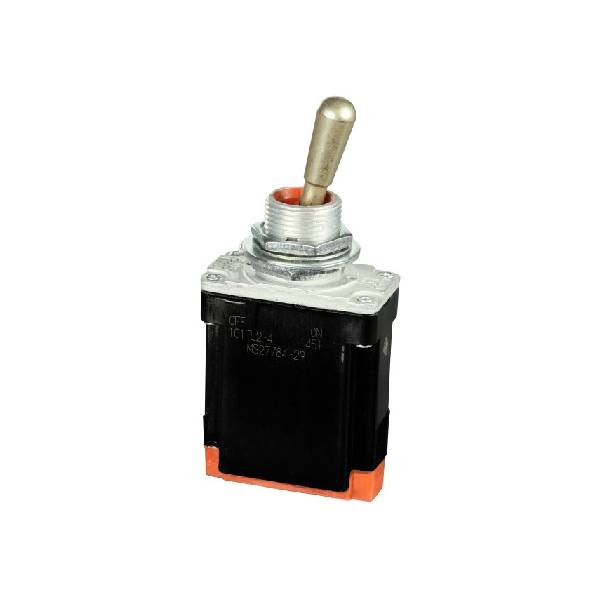
Honeywell 10-21737 Basic Switches
The Honeywell 10-21737 basic switches component is not a complete switch by itself in the way many catalog readers first assume. Instead, it is recognized as a hardware element used in the mounting and assembly context of Honeywell basic switch applications. In practical engineering terms, small mechanical parts like screw and washer combinations can have a significant influence on installation quality, retention strength, alignment accuracy, and service reliability. That is why the Honeywell 10-21737 basic switches reference deserves clear technical attention.
Why Mounting Hardware Matters in Basic Switch Applications
Basic switches are often used in compact mechanical systems where repeatable positioning and actuation are critical. If the mounting hardware does not maintain secure fastening, the switch body can shift slightly over time. Even minor movement may affect actuator alignment, contact timing, or mechanical wear patterns. The Honeywell 10-21737 basic switches hardware addresses that practical requirement by providing a defined fastening solution associated with Honeywell switch installations.
In real equipment, engineers usually focus on electrical ratings, contact form, and actuator type first. However, assembly consistency is just as important. A strong mechanical interface helps preserve design intent throughout vibration exposure, maintenance cycles, and extended equipment use. That makes hardware references such as Honeywell 10-21737 basic switches especially relevant in industrial automation, transportation equipment, and control assemblies where a switch must stay fixed in its intended position.
Typical Technical Context
This part is commonly described as a screw and washer combination with 6-32 UNC-2A thread context, which points to its role as fastening hardware rather than an active switching element. In a production or maintenance environment, specifying the correct hardware can reduce assembly variation and improve repeatability from one unit to the next. It also supports service documentation, because technicians know which approved mounting components belong with the switch system.
When replacement work is carried out using undefined generic hardware, teams can unintentionally create torque inconsistency, fit issues, or long-term loosening risk. For that reason, the Honeywell 10-21737 basic switches part can be useful in quality-controlled repairs, documented rebuilds, and OEM-level assembly processes.
Where It Fits Best
The Honeywell 10-21737 basic switches item is relevant wherever a Honeywell basic switch installation requires consistent hardware selection. This can include industrial control products, machine subassemblies, service kits, and specialized switch mounting arrangements. It is especially helpful in environments where traceability, repeatable assembly, and parts standardization matter.
From a lifecycle-management perspective, part-numbered hardware reduces ambiguity. Instead of relying on a visually similar fastener, teams can specify the exact Honeywell reference that aligns with the intended switch setup. For more information about Honeywell, reviewing the wider product ecosystem can help identify how mounting hardware supports final switch performance.
FAQ
Is Honeywell 10-21737 a complete switch?
No. It is generally identified as switch-related hardware rather than a complete electromechanical switch assembly.
What is the main purpose of Honeywell 10-21737 basic switches hardware?
Its main purpose is to support secure and consistent mounting in basic switch applications, helping preserve alignment and assembly integrity.
Why is dedicated switch hardware important?
Dedicated hardware helps reduce installation variability, supports consistent fastening, and can improve long-term reliability in vibrating or service-intensive environments.
Where might this part be used?
It may be used in machine assemblies, industrial control devices, service documentation packages, and maintenance operations involving Honeywell basic switches.
Should generic fasteners be used instead?
That is not ideal in controlled applications. Using the correct referenced hardware supports fit, traceability, and repeatable maintenance results.