
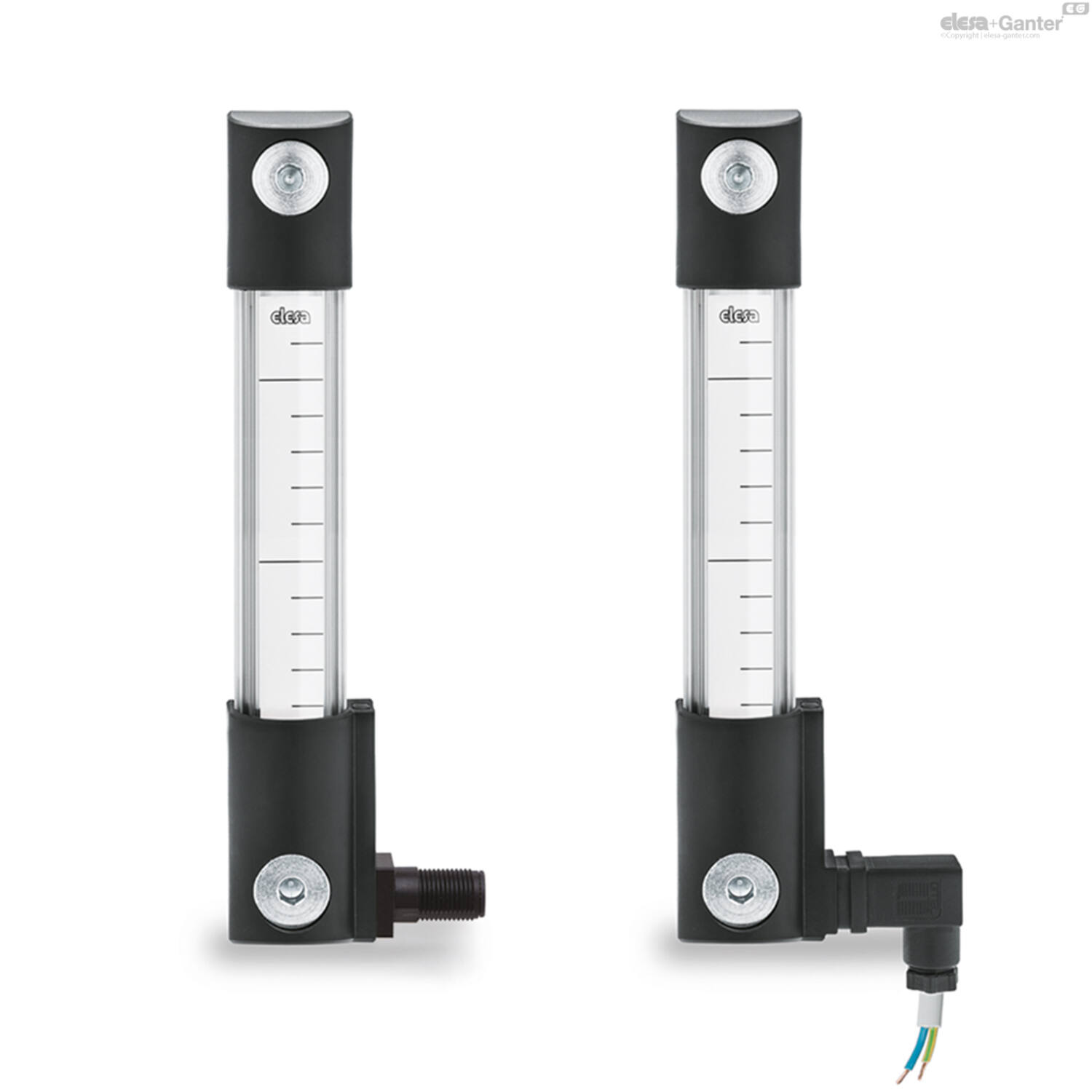
Elesa+Ganter 113653-KN HCK.127-A4-M12-NBR-GL-P-E-NO-KN Electrical Level Indicator
Overview
The Elesa+Ganter 113653-KN HCK.127-A4-M12-NBR-GL-P-E-NO-KN electrical level indicator is a compact column-type component for monitoring fluid level in industrial systems. It is designed for users who need both a visible level reference and an electrical signal for low-level detection.
Technical Character
The product code gives useful technical information. HCK.127 identifies the column level indicator format with 127 mm hole centre distance. A4 indicates stainless steel execution, while M12 defines the mounting connection. NBR refers to the sealing material, and GL identifies suitability for water or water/glycol-based solutions when conditions are compatible.
Electrical Monitoring
The E-NO part of the code indicates a normally open electrical contact. This makes the indicator suitable for integration into machine control circuits, alarms or maintenance systems. When the float reaches the set intervention level, the sensor can help trigger a response according to the control design.
Why This Model Matters
The Elesa+Ganter 113653-KN HCK.127-A4-M12-NBR-GL-P-E-NO-KN electrical level indicator is useful where downtime prevention is a priority. Fluid level problems can damage pumps, reduce lubrication quality or interrupt production. A clear indicator with electrical signalling gives operators a stronger basis for timely action.
For additional brand information, visit Elesa+Ganter product information.
FAQ
What product type is Elesa+Ganter 113653-KN HCK.127-A4-M12-NBR-GL-P-E-NO-KN?
It is an electrical column level indicator with normally open level contact.
What does KN mean?
KN identifies a specific catalogue variant. The exact configuration should be matched with the required application.
Is it suitable for water/glycol mixtures?
The GL designation supports this use, but temperature, pressure and fluid compatibility must be verified.
What systems commonly use it?
It is used in hydraulic units, lubrication reservoirs, cooling circuits and industrial tanks.
Why is a normally open contact useful?
It allows the system to receive a signal when the defined level condition is reached, supporting alarms or control logic.