
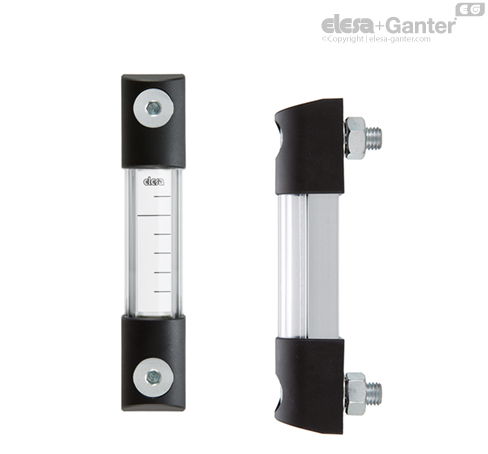
Elesa+Ganter 113617 Column Level Indicator: HCK.127-SST316-M12-NBR-PC-P-E-NO-80-NO
The Elesa+Ganter 113617 column level indicator is an HCK.127 series component designed for visual and electrical fluid level monitoring. It is used in hydraulic tanks, oil reservoirs, lubrication systems and machine assemblies where a clear level reading and electrical contact output are both required.
Technical Composition
This model includes SST316 stainless-steel hardware, an M12 connection, NBR sealing and a transparent PC level tube. The stainless-steel elements support corrosion resistance and mechanical reliability, while the NBR sealing arrangement is suitable for many mineral-oil based applications. The polycarbonate tube allows operators to see the fluid level directly, reducing uncertainty during routine inspection.
NO Contact and 80 mm Switching Position
The NO marking indicates a normally open electrical contact. The 80 reference defines the contact position associated with the level monitoring arrangement. In practical terms, this configuration helps create a specific switching point inside the visible level range, allowing the machine control system to react when the fluid reaches the defined condition.
Why This Model Matters
Equipment reliability often depends on maintaining the correct oil level. Too little fluid can increase heat, accelerate wear and reduce hydraulic efficiency. A model like this gives maintenance teams two ways to understand the tank condition: a direct visual reading and an electrical signal that can be connected to alarms or control panels.
For related industrial components, visit Elesa+Ganter.
Elesa+Ganter 113617 FAQ
What is Elesa+Ganter 113617?
It is a column level indicator with visual level display and normally open electrical contact functionality.
What does NO mean?
NO means normally open. The contact is open under normal conditions and changes state when the defined level condition is reached.
What does the 80 value mean?
It refers to the defined contact position used for the electrical level switching arrangement.
Why is visual level monitoring still important?
Visual monitoring gives operators immediate confirmation of the actual fluid column, even when electrical systems are being checked or maintained.