
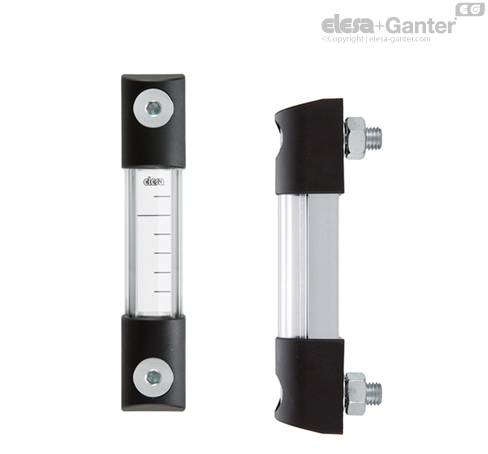
Elesa+Ganter 113441-KN HCK.127-SST-M12-FKM-PC-P-E-NO-KN Electrical Oil Level Indicator
The Elesa+Ganter 113441-KN electrical oil level indicator is designed for hydraulic and lubrication systems that require clear visual level indication and electrical minimum-level signalling. As an HCK.127 model with E-NO function, it uses a normally open contact that closes when the minimum fluid level is reached, helping machinery react before insufficient oil becomes a critical operating risk.
Elesa+Ganter 113441-KN Technical Features
This model has the HCK.127 dimensional structure, including a 127 mm fixing distance, 164 mm overall length, 56 mm visible level range, 12.5 mm mounting hole diameter, and 12 Nm maximum tightening torque. The M12 format supports practical machine integration, while FKM sealing is suitable for more demanding oil-service environments. The KN execution supports secure installation where robust fixing is required.
Elesa+Ganter 113441-KN Designed for Reliable Monitoring
In hydraulic machinery, oil level is directly linked to system stability. Low fluid can cause air intake, pressure variation, poor lubrication, increased temperature, and accelerated wear. The Elesa+Ganter 113441-KN electrical oil level indicator gives maintenance teams a visible reference point and provides a signal-ready configuration for minimum-level monitoring.
Common Use Cases
This product type is suitable for hydraulic power units, machine tools, lubrication reservoirs, industrial presses, compact automation systems, and equipment panels where oil level must be monitored consistently. Its compact 127 size makes it useful where installation space is limited but monitoring reliability remains essential.
For additional information about industrial standard components, visit Elesa+Ganter.
FAQ
What is Elesa+Ganter 113441-KN?
It is an electrical oil level indicator for hydraulic and lubrication systems, equipped with a normally open minimum-level contact.
How does the normally open contact work?
The contact remains open during normal conditions and closes when the minimum oil level is reached.
Why use this indicator instead of only manual inspection?
Manual inspection is useful, but electrical signalling adds another layer of monitoring, especially for machines that operate continuously or in enclosed areas.
What should be checked before installation?
The reservoir geometry, mounting distance, fluid type, temperature, pressure, sealing compatibility, and tightening torque should be reviewed before installation.