
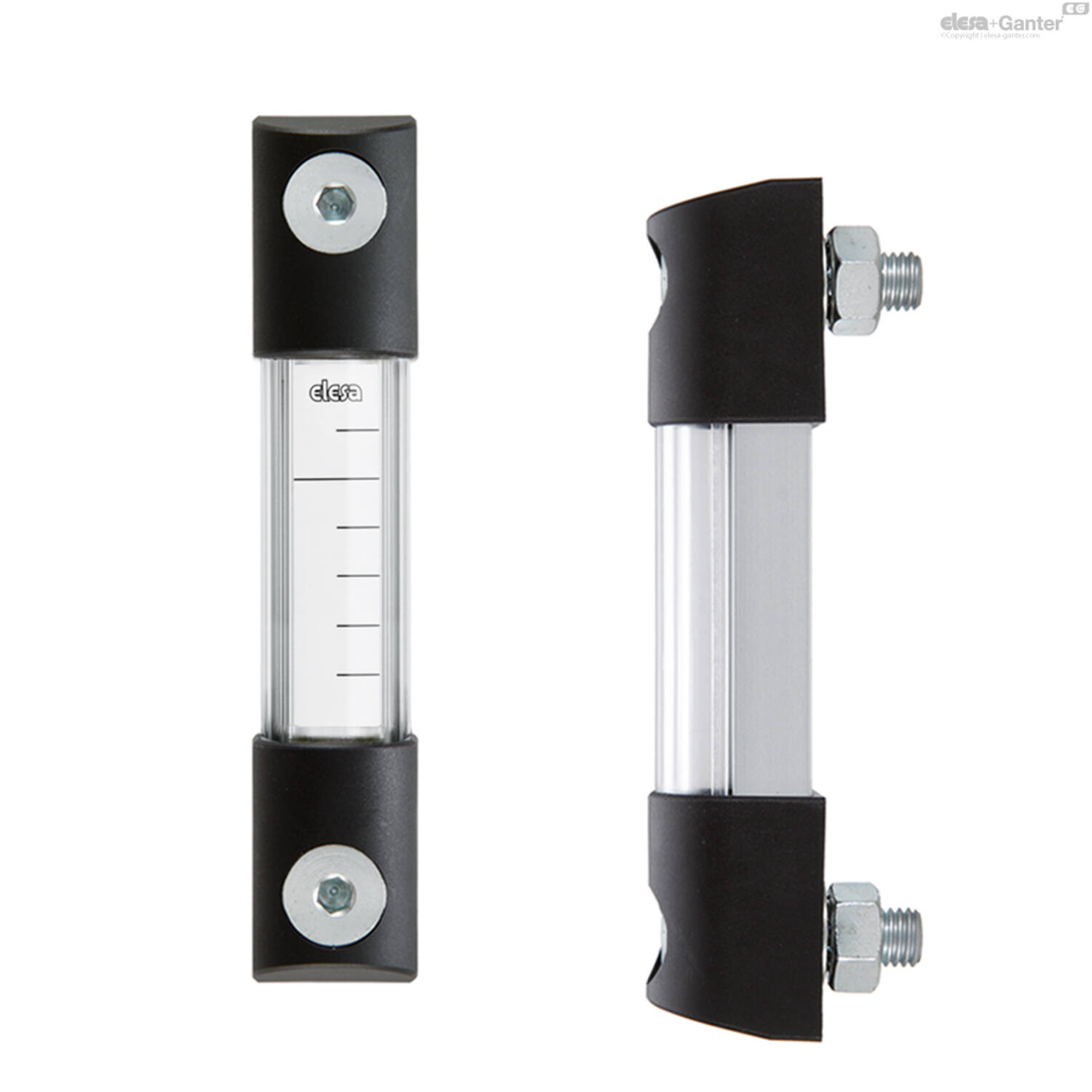
Elesa+Ganter 113307-KN Electrical Level Indicator
The Elesa+Ganter 113307-KN electrical level indicator, identified as HCK.127-SST-M12-NBR-PC-P-STL-KN, is developed for industrial oil level monitoring where visual reading, protected construction and temperature probe integration are required. It is a practical choice for hydraulic reservoirs, lubrication systems and machine tanks that need reliable daily inspection points.
Core Technical Features
This HCK.127 indicator uses a 127 mm column design with stainless steel fixing elements, an M12 electrical connector, NBR sealing material and a transparent polycarbonate tube. The “P” version includes front protection, helping protect the viewing area in demanding industrial surroundings. This makes the model suitable for equipment where the indicator is mounted on an accessible machine face.
Temperature Probe Configuration
The “STL” element in the product code points to a temperature probe version. This allows the indicator to support more informed monitoring of hydraulic oil conditions. Temperature information is important because oil that operates outside its expected range can reduce efficiency, accelerate wear and create maintenance risks.
Practical Application Areas
The Elesa+Ganter 113307-KN electrical level indicator is suitable for hydraulic power units, industrial presses, machine tools, lubrication reservoirs and process equipment with oil tanks. Its protected structure is useful where operators work near the reservoir and where accidental contact with the indicator is possible.
For related standard parts and hydraulic accessories, review Elesa+Ganter component information.
FAQ
What does Elesa+Ganter 113307-KN electrical level indicator mean?
It refers to an HCK.127 column oil level indicator with stainless steel fixing elements, M12 connector, NBR sealing, PC tube, front protection and STL temperature probe configuration.
Is this model only for visual level checking?
No. It provides visual level indication and also supports electrical integration through its connector and probe-based configuration.
Why is a protected body useful?
Front protection helps reduce the risk of damage to the visible tube area when the indicator is installed in a busy machine environment.
What should be checked before installation?
The tank connection, fluid type, operating temperature, pressure conditions, electrical wiring and mechanical clearance should all be reviewed before installation.