
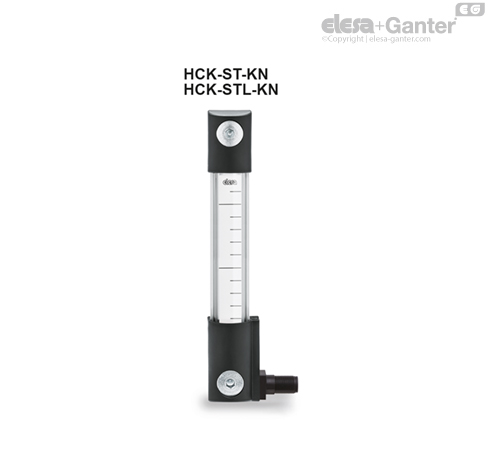
Elesa+Ganter 113003-KN Electrical Level Indicator: HCK.127 Technical Overview
The Elesa+Ganter 113003-KN electrical level indicator, listed as HCK.127-ZN-M12-NBR-PC-P-80-NC-KN, is a hydraulic system accessory designed to make fluid level monitoring more visible and more controllable. It is used where operators need clear level reading and electrical status feedback from one compact component.
Design Purpose
This HCK.127 model is intended for tanks, reservoirs and hydraulic equipment where oil level must remain within a safe operating range. The column-style design gives a direct visual reference, while the electrical configuration supports machine-level monitoring.
Material and Build
The HCK range uses black glass-fibre reinforced polyamide based technopolymer assembly ends, natural-colour aluminium support and a graduated aluminium contrast screen. The screen improves visual distinction, helping users read the fluid level more easily in workshop and production environments.
Technical Identity
The Elesa+Ganter 113003-KN electrical level indicator includes HCK.127 sizing, M12 connector configuration, NBR sealing reference, polycarbonate viewing material and normally closed contact logic. These details make it suitable for integrated monitoring in industrial hydraulic systems.
Application Areas
Common uses include hydraulic power packs, machine tools, industrial presses, lubrication units and equipment where fluid level stability supports performance. The indicator helps reduce uncertainty during routine checks and can contribute to preventive maintenance planning.
For more information about Elesa+Ganter components, visit Elesa+Ganter.
FAQ
What is the product type of Elesa+Ganter 113003-KN?
It is an electrical level indicator for hydraulic and industrial fluid systems.
Where is this indicator installed?
It is typically mounted on the side of a tank or reservoir to show the internal fluid level.
Why is a normally closed contact useful?
Normally closed logic is often used in monitoring circuits where a change in state can signal a condition requiring attention.
Does it support preventive maintenance?
Yes. By making level status easier to observe and monitor, it supports timely inspection and maintenance decisions.