
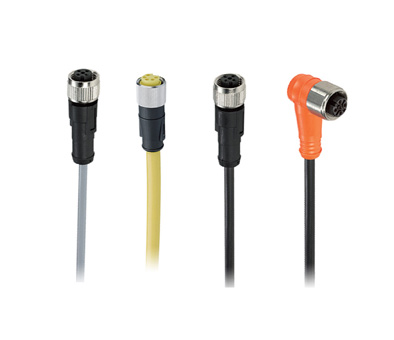
Telemecanique XZCPK75CL5 Industrial Connector Cable Guide
The Telemecanique XZCPK75CL5 connector cable is developed for industrial automation systems that require dependable connectivity, stable signal transmission, and durable mechanical performance. In modern manufacturing and automation environments, connector cables play an important role in maintaining communication between sensors, controllers, and machine-level devices.
Role of Connector Cables in Automation
Industrial automation systems depend on accurate data exchange between connected devices. Connector cables help establish reliable communication paths while simplifying machine installation and maintenance. Standardized connector systems also support faster replacement procedures and improved wiring consistency across production facilities.
The XZCPK75CL5 is intended for applications where industrial-grade connectivity and dependable operational performance are priorities.
Product Structure and Design
The Telemecanique XZCPK75CL5 connector cable is built for industrial operating environments where vibration, repetitive motion, and environmental exposure are common. Its cable and connector assembly are designed to support long-term use in automated machinery and industrial control systems.
Compact connector dimensions can simplify cable routing in dense machine layouts where installation space is limited. This is especially valuable in robotic systems, conveyor automation, packaging lines, and modular machine designs.
Industrial Performance Characteristics
Reliable electrical contact is essential for industrial communication systems. Poor connectivity can result in unstable sensor signals, communication interruptions, or machine downtime. Connector cables such as the XZCPK75CL5 are developed to support stable automation performance under continuous operational conditions.
Mechanical locking systems help maintain secure connector engagement even in environments with machine vibration or repetitive movement. This can improve operational stability and reduce the risk of unexpected disconnection.
Automation Applications
The Telemecanique XZCPK75CL5 connector cable is suitable for factory automation systems, industrial sensors, machine interfaces, distributed I/O modules, and control equipment. Connector cables in this category are widely used in manufacturing industries where dependable machine communication is essential.
Applications may include packaging equipment, material handling systems, industrial conveyors, automated assembly machinery, and production-line control systems.
Additional information about related products is available through Telemecanique technology.
Environmental Suitability
Industrial facilities frequently expose automation components to dust, moisture, vibration, and fluctuating temperatures. Connector cable systems must be installed correctly to maintain environmental sealing and stable electrical performance.
Proper connector engagement and cable routing are important factors for long-term reliability. In dynamic applications, additional strain relief may help reduce mechanical stress on the connector assembly.
Installation Considerations
Before installation, technicians should verify connector compatibility, cable length requirements, signal specifications, and machine routing paths. Avoid excessive bending near the connector body and ensure cables are protected from moving mechanical assemblies where possible.
Correct cable management practices can improve maintenance access, reduce wear, and support more organized industrial installations.
Telemecanique XZCPK75CL5 FAQ
What is the Telemecanique XZCPK75CL5 connector cable used for?
It is used for industrial automation connectivity, including sensor wiring, machine interfaces, and control system communication.
Why are industrial connector cables important?
They provide stable electrical communication between automation devices while helping simplify installation and maintenance.
Can the XZCPK75CL5 handle industrial operating conditions?
Yes. It is intended for industrial environments where vibration, repetitive operation, and demanding machine conditions are common.
Where are connector cables commonly installed?
They are widely used in manufacturing systems, packaging machinery, robotics, conveyor systems, and industrial automation equipment.
What installation practices improve connector cable reliability?
Proper strain relief, secure cable routing, and avoiding excessive bending near the connector body can improve long-term performance.
Why do automation systems use standardized connector solutions?
Standardized connectors help improve compatibility, reduce installation time, simplify maintenance, and support efficient equipment replacement.