
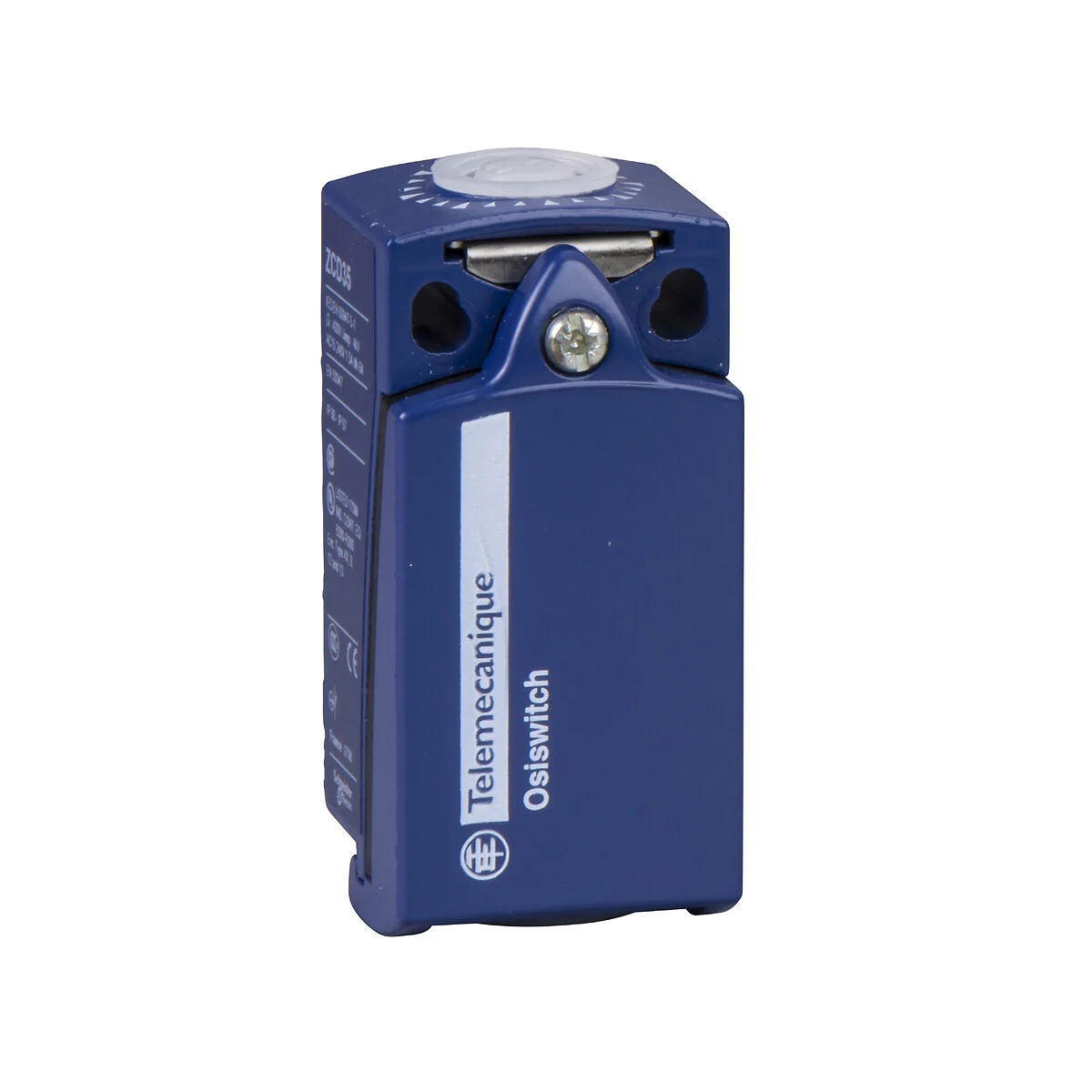
Telemecanique ZCDEG11 Cable Gland Entry Technical Guide
The Telemecanique ZCDEG11 Cable Gland Entry is a connection accessory designed for Telemecanique compact limit switch assemblies. It is specified as a Pg 11 cable gland entry made from metal and intended for use with XCKD body configurations. Although it is a small component, it plays an important role in cable routing, mechanical protection, and the final integrity of a switch installation.
Technical Overview
The ZCDEG11 is not a sensing device by itself. It is an accessory used to support cable entry into a compatible limit switch body. In industrial automation, cable entry quality matters because poor connection points can lead to moisture ingress, cable strain, wiring damage, or unreliable operation over time. A correctly selected cable gland entry helps keep the installation organized and better protected.
The Pg 11 entry format is designed for cable gland compatibility where this thread standard is required. The metal construction supports use in robust industrial assemblies and can be preferable where mechanical durability is important. When used with a compatible XCKD body, it contributes to a clean and serviceable connection interface.
Role in Limit Switch Assemblies
Limit switches are often installed close to moving parts, conveyors, guards, cams, or machine frames. In these locations, the cable connection can be exposed to vibration, accidental contact, oil mist, dust, or washdown conditions depending on the application. The cable gland entry is part of the connection strategy that helps protect the wiring path and supports stable long-term operation.
The Telemecanique ZCDEG11 Cable Gland Entry is especially relevant when a metal-body configuration is required and the selected limit switch assembly needs Pg 11 cable entry compatibility. It helps engineers maintain consistency across compact switch installations and supports the modular structure of the Telemecanique limit switch range.
Installation Considerations
When selecting the ZCDEG11, users should confirm compatibility with the switch body, cable gland, cable diameter, sealing requirement, and environmental exposure. The accessory should be installed with attention to thread condition, tightening practice, cable strain relief, and sealing performance. Over-tightening or mismatched components can affect protection and mechanical reliability.
Because environmental protection depends on the complete assembled system, the cable gland entry should always be considered together with the limit switch body, operating head, gasket, cable gland, cable jacket, and installation orientation. Maintenance teams should periodically inspect cable entries for loosening, damage, corrosion, or contamination in demanding operating areas.
Typical Application Areas
This accessory is commonly relevant in machine tools, packaging lines, conveyor systems, lifting equipment, material handling machinery, and industrial automation panels where compact limit switches are used. It supports practical cable integration and helps maintain a professional field installation standard.
More Information
For related product family details, visit Telemecanique connection accessory information.
Telemecanique ZCDEG11 FAQ
What is the Telemecanique ZCDEG11 used for?
It is used as a Pg 11 cable gland entry accessory for compatible Telemecanique limit switch bodies. Its purpose is to support cable entry and connection integrity in the switch assembly.
Is the ZCDEG11 a complete limit switch?
No. It is a connection accessory, not a complete limit switch. It must be used with a compatible switch body and suitable cable gland components.
What material is the ZCDEG11 made from?
The ZCDEG11 is specified as a metal cable gland entry. This supports mechanical durability in industrial installations.
Which body type is the ZCDEG11 intended for?
It is specified for XCKD body use. Compatibility should still be checked against the exact switch configuration before installation.
Why is cable gland selection important?
The cable gland and cable entry influence sealing, strain relief, cable protection, and long-term reliability. A poor match can reduce environmental protection and increase the risk of wiring faults.