
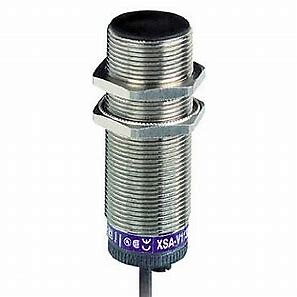
Telemecanique XSAV12373 Inductive Proximity Sensor in Modern Industrial Automation
The Telemecanique XSAV12373 Inductive Proximity Sensor is developed for industrial automation systems that require accurate, stable, and non-contact metal object detection. In modern manufacturing facilities, reliable proximity sensing technology is essential for ensuring production continuity, machine safety, and process efficiency.
Inductive proximity sensors are widely used because they provide dependable operation in environments where mechanical switches may wear out over time. The XSAV12373 offers a practical solution for automated production lines, conveyor systems, robotic machinery, and material handling applications where high operational reliability is required.
Industrial engineers often select inductive sensors because they can operate consistently in environments affected by vibration, dust, oil, and moisture. This makes the XSAV12373 suitable for demanding manufacturing conditions where operational stability is critical.
Main Technical Characteristics of the XSAV12373 Inductive Sensor
The Telemecanique XSAV12373 Inductive Proximity Sensor is designed to meet industrial automation requirements while maintaining stable detection performance.
- Inductive sensing technology for metal object detection
- Non-contact detection for reduced mechanical wear
- Compact industrial housing for easy integration
- Reliable operation in harsh industrial environments
- Stable switching capability for automated systems
- High durability for continuous industrial operation
- Suitable for machine automation and conveyor applications
Unlike mechanical switches, inductive sensors eliminate physical contact during detection processes. This helps reduce maintenance requirements while extending equipment lifespan.
Applications of the Telemecanique XSAV12373 in Manufacturing
The XSAV12373 is commonly used in manufacturing industries that require accurate metal detection and automated process control.
In conveyor systems, the sensor helps monitor moving metal components and supports automated sorting operations. In robotic automation, it assists with object positioning and machine synchronization.
The automotive industry frequently uses inductive proximity sensors for assembly line monitoring, while packaging facilities rely on them for machinery positioning and production flow management.
Because of its stable sensing capabilities, the XSAV12373 can help improve operational reliability in facilities where production interruptions may result in costly downtime.
Benefits of Inductive Proximity Sensors
Inductive sensing technology offers several important advantages in industrial environments.
One major advantage is operational durability. Since the sensor performs non-contact detection, mechanical wear is minimized, resulting in lower maintenance costs and improved system reliability.
Another benefit is detection stability. The sensor maintains consistent performance even in environments affected by dirt, vibration, or industrial contaminants.
Inductive proximity sensors are also highly valued for their fast response times, which support high-speed automation processes in modern manufacturing facilities.
Telemecanique XSAV12373 Industrial Automation and Sensor Reliability
Industrial automation systems rely on sensors to collect accurate operational data and maintain efficient production processes. Reliable proximity sensing improves machine coordination, process consistency, and production safety.
The Telemecanique XSAV12373 Inductive Proximity Sensor helps industrial facilities reduce operational disruptions while improving overall system efficiency.
As smart manufacturing technologies continue to evolve, dependable sensor solutions become increasingly important for maintaining production quality and automation performance.
For more information about industrial sensors and automation technologies, visit
Telemecanique products.
Installation Recommendations for Inductive Sensors
Proper sensor installation is essential for reliable industrial performance. The XSAV12373 should be mounted securely in a location that allows accurate metal object detection without unnecessary interference.
Industrial operators should also perform periodic inspections to verify cable integrity, mounting stability, and sensor cleanliness. Routine maintenance helps maintain consistent operational performance over long production cycles.
Telemecanique XSAV12373 Frequently Asked Questions
What is the primary function of the Telemecanique XSAV12373?
The XSAV12373 is an inductive proximity sensor designed for non-contact detection of metal objects in industrial automation systems.
Where is the XSAV12373 commonly used?
This sensor is commonly installed in conveyor systems, manufacturing machinery, robotic automation equipment, and industrial production lines.
Why are inductive sensors preferred in industrial environments?
Inductive sensors offer reliable operation, reduced maintenance requirements, and excellent durability in harsh industrial conditions.
Can the XSAV12373 operate in dusty environments?
Yes. Industrial inductive sensors are designed to operate reliably in environments where dust, oil, vibration, and moisture may be present.
Does the sensor require physical contact with objects?
No. The XSAV12373 uses non-contact sensing technology, which helps reduce wear and extend operational lifespan.
How does this sensor improve automation efficiency?
Accurate object detection supports better machine coordination, improved production flow, reduced downtime, and enhanced manufacturing consistency.
Is the Telemecanique XSAV12373 suitable for continuous industrial operation?
Yes. The sensor is designed for long-term industrial use in demanding automation environments where stable operation is essential.