
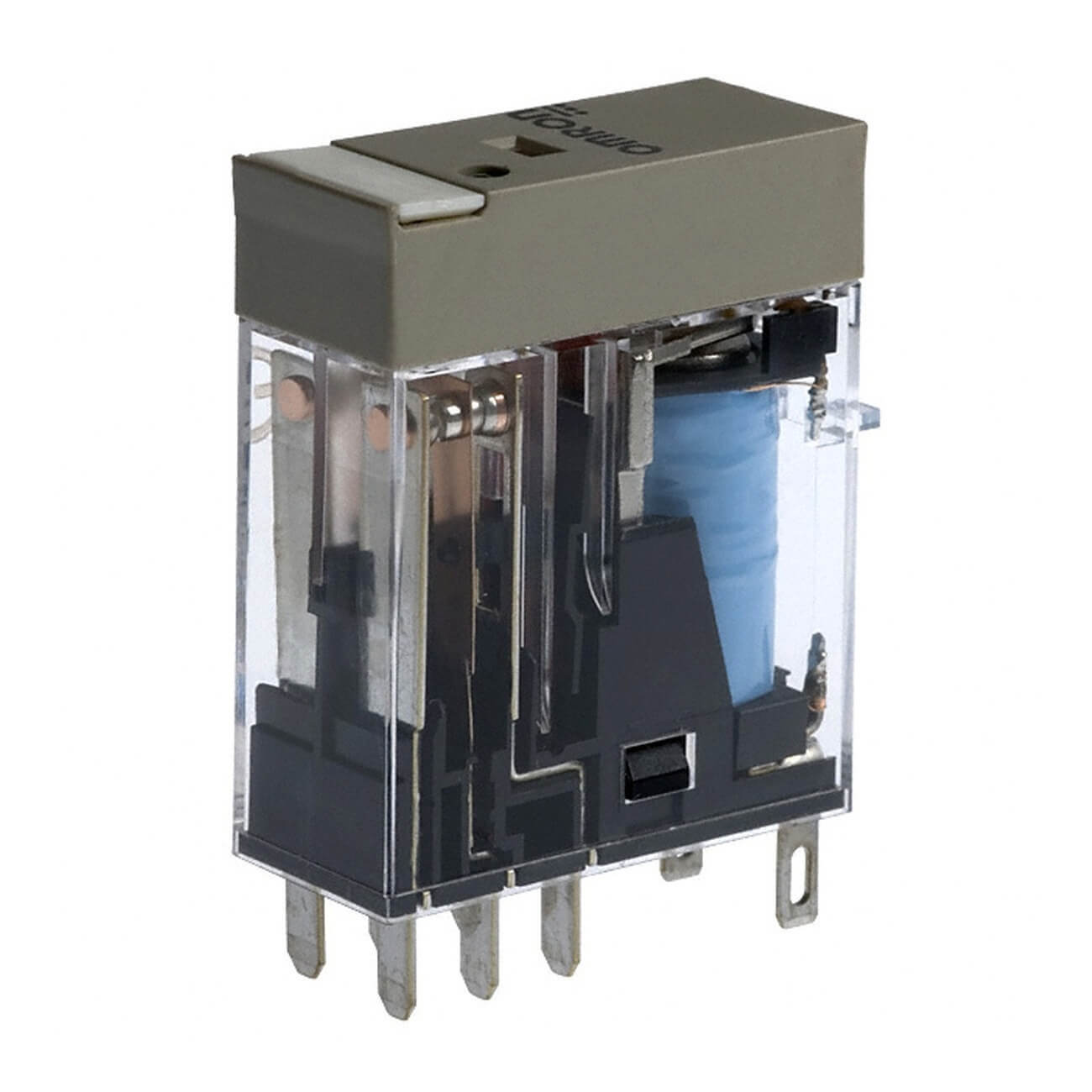
Omron G2R-2-SN-AP3 24VDC (S) Relay Socket: Technical Overview
The Omron G2R-2-SN-AP3 24VDC (S) relay socket is a compact plug-in relay for modern industrial automation panels. Since 24 VDC is one of the most common control voltages in PLC-based systems, this model is frequently considered for interface circuits, machine control wiring, signal switching, and auxiliary panel logic.
Main Technical Details
This relay uses a 24 VDC coil, DPDT contact configuration, 8-pin plug-in structure, and 5 A rated carry current. Its contact material includes AgSnIn with gold plating, and the AP3 version is designed for applications where stable low-level switching is important. LED indication and mechanical indication support quick status checks in the field.
Best-Fit Applications
The Omron G2R-2-SN-AP3 24VDC (S) relay socket is widely relevant for PLC output isolation, sensor interface circuits, small actuator control, alarm circuits, and automation cabinet wiring. Its 24 VDC coil makes it compatible with many industrial power supplies, while the plug-in format supports practical panel maintenance.
Engineering Considerations
When selecting this relay, check the required contact rating, load type, coil voltage tolerance, socket model, and environmental conditions. Gold-plated contacts are useful, but they do not remove the need for correct circuit design. For inductive loads, suppression and protection practices should be evaluated separately.
For additional Omron product details, visit Omron automation components.
FAQ
What is the coil voltage of Omron G2R-2-SN-AP3 24VDC (S)?
The relay operates with a 24 VDC coil, which is common in industrial control panels.
What does AP3 indicate?
AP3 identifies a version with gold-plated contacts, often preferred for reliable signal switching.
Is this relay suitable for PLC output circuits?
Yes. It is often used as an interface relay between PLC outputs and field devices, provided electrical ratings are suitable.
What is the contact configuration?
It has a DPDT contact arrangement, allowing two circuits to be switched through one relay.
Why is LED indication useful?
LED indication helps maintenance teams confirm coil energization without using a meter for every first-level check.