
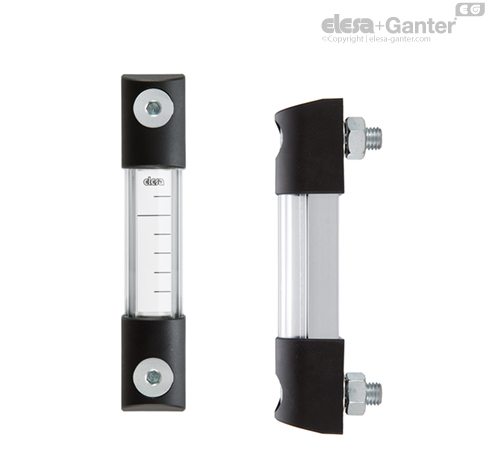
Elesa+Ganter 114211 NC Oil Level Indicator Technical Guide
The Elesa+Ganter 114211 oil level indicator, coded as HCK.176-ZN-M12-FKM-GL-P-EHT-NC-80-NC, is an electrical column-type oil level indicator designed for industrial hydraulic and lubrication systems. This product type is especially useful where visual monitoring must be supported by normally closed contact logic.
Technical Structure of HCK.176-ZN-M12-FKM-GL-P-EHT-NC-80-NC
The HCK.176 designation refers to a 176 mm fixing centre distance, a practical size for many hydraulic reservoirs and oil tanks. ZN identifies zinc-plated steel fixing hardware, while M12 indicates the threaded mounting standard. FKM sealing improves suitability for applications involving heat, oil, and chemically demanding conditions.
The GL element refers to the glass level tube. In industrial environments, glass tube level indication is valued for stable visibility, resistance to temperature influence, and dependable fluid reading. The NC reference means normally closed contact logic. This is often preferred in safety-aware systems because a change in state, wiring fault, or monitored condition can be interpreted by the control system depending on the circuit design.
Practical Role in Hydraulic Maintenance
The Elesa+Ganter 114211 HCK.176 oil level indicator helps operators identify whether the fluid level remains within the expected operating range. In hydraulic systems, poor level control can lead to air entrainment, pressure instability, overheating, and accelerated wear of pumps, seals, and valves.
The 80°C reference makes this model relevant for systems where temperature awareness is important. Oil temperature is directly linked to viscosity, lubrication quality, and component life. A level indicator with electrical functionality can therefore become part of a wider reliability and maintenance strategy.
For related technical components, see Elesa+Ganter hydraulic accessories.
Elesa+Ganter 114211 FAQ
What is the Elesa+Ganter 114211 oil level indicator used for?
It is used for visual and electrical monitoring of oil or compatible fluid levels in hydraulic tanks, lubrication systems, and industrial machinery.
What does NC mean in this model?
NC stands for normally closed. The contact is closed in its normal state and changes when the defined condition is reached.
Why is NC contact useful?
Normally closed logic is frequently preferred where system designers want a circuit state that can support fail-aware monitoring strategies.
What should be checked before installation?
Engineers should verify fluid compatibility, operating temperature, pressure conditions, mounting centre distance, thread size, and electrical contact requirements.