
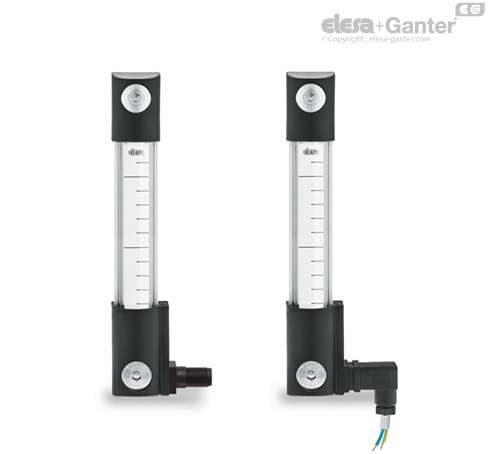
Elesa+Ganter 114003-NP Electrical Oil Level Indicator
The Elesa+Ganter 114003-NP electrical oil level indicator, model HCK.176-ZN-M12-NBR-PC-NP-80-NC, is designed for visual and electrical monitoring of oil level in hydraulic and lubrication systems. The NP configuration makes it a practical choice where a simpler, direct column reading is preferred without the front protection plate used in P versions.
Technical Structure
This HCK.176 model has a 176 mm fixing hole centre distance, M12 screw connection, zinc-plated steel fastening elements, NBR sealing, and a transparent PC level tube. The NC contact logic allows the unit to work with systems that require normally closed electrical level monitoring. The 80°C temperature-related specification supports use in applications where thermal conditions must be considered during selection.
Industrial Use Cases
The Elesa+Ganter 114003-NP HCK.176 oil level indicator is suitable for hydraulic tanks, oil reservoirs, machine tools, lubrication systems, and production equipment. Its transparent column gives operators a fast visual reading, reducing the need to open the reservoir. This can help keep foreign particles away from the oil and supports cleaner maintenance practices.
Selection Notes
Choose the NP version when the installation point is relatively protected and does not require an additional front shield. It is often suitable for enclosed machines, cabinet-mounted hydraulic units, or areas where the indicator is easy to inspect but not exposed to frequent mechanical contact.
For additional brand details, visit Elesa+Ganter information.
Elesa+Ganter 114003-NP FAQ
What does NP mean in this model?
NP identifies the non-protected version, meaning it does not include the same front protection plate used in P models.
Is Elesa+Ganter 114003-NP suitable for hydraulic systems?
Yes, it is commonly used for oil level monitoring in hydraulic reservoirs and similar industrial fluid systems.
What is the benefit of the M12 connection?
The M12 connection supports standardized installation and compatibility with many industrial mounting arrangements.
Why is visual level monitoring still important?
Even with electrical sensing, visual confirmation helps maintenance teams inspect actual oil condition and level during routine checks.