
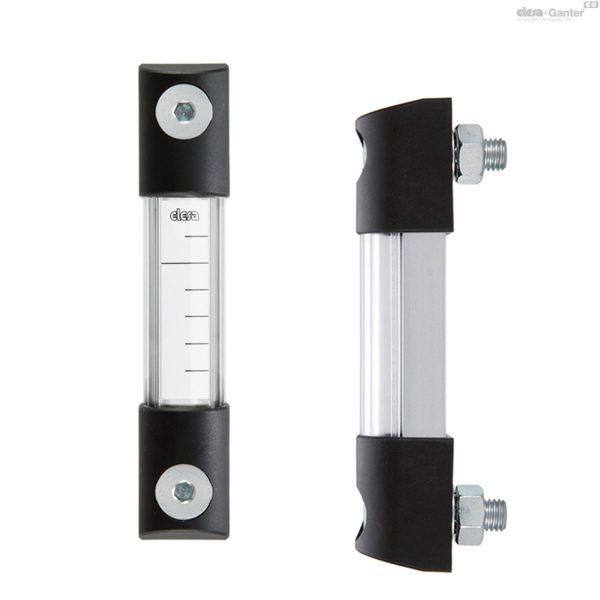
Elesa+Ganter 113515 HCK.127-SST-M12-FKM-GL-P-EHT-NO-STL Electrical Oil Level Indicator
The Elesa+Ganter 113515 electrical oil level indicator is developed for hydraulic and lubrication systems requiring accurate visual oil level monitoring together with electrical signal functionality. This HCK.127 model combines a compact industrial design with integrated monitoring features that support safer and more efficient equipment operation.
Understanding the Product Configuration
The full code HCK.127-SST-M12-FKM-GL-P-EHT-NO-STL defines a 127 mm electrical oil level indicator with stainless steel mounting hardware, M12 electrical connection, FKM sealing and borosilicate glass construction. The normally open level contact changes state when the fluid reaches the switching point, making it useful for alarm systems and automated machine controls.
The STL probe configuration supports temperature monitoring within the reservoir. Temperature control is extremely important in hydraulic applications because excessive heat can reduce oil viscosity, accelerate oxidation and shorten component life.
Elesa+Ganter 113515 Benefits in Industrial Applications
The Elesa+Ganter 113515 HCK.127 electrical oil level indicator provides operators with direct visual oil inspection while simultaneously supporting electrical monitoring functions. This helps maintenance teams identify level and temperature-related issues earlier, reducing unexpected downtime and improving operational reliability.
Its FKM sealing material supports long-term resistance against oils and elevated temperatures. Stainless steel fastening components help improve corrosion resistance in industrial installations exposed to moisture or vibration.
The indicator is suitable for hydraulic reservoirs, lubrication units, machine tools and industrial automation systems. To explore more industrial components from this manufacturer, visit Elesa+Ganter.
Elesa+Ganter 113515 FAQ
What does the NO contact mean?
NO means normally open. The electrical contact changes state once the fluid level reaches the switching position.
Why is temperature monitoring important?
Temperature monitoring helps prevent overheating, oil degradation and unnecessary component wear.
What fluids is this indicator compatible with?
It is generally suitable for industrial oils and many glycol-based fluid applications.
Can this indicator connect to PLC systems?
Yes. Its electrical contact can integrate with alarms, control systems and automation panels.