
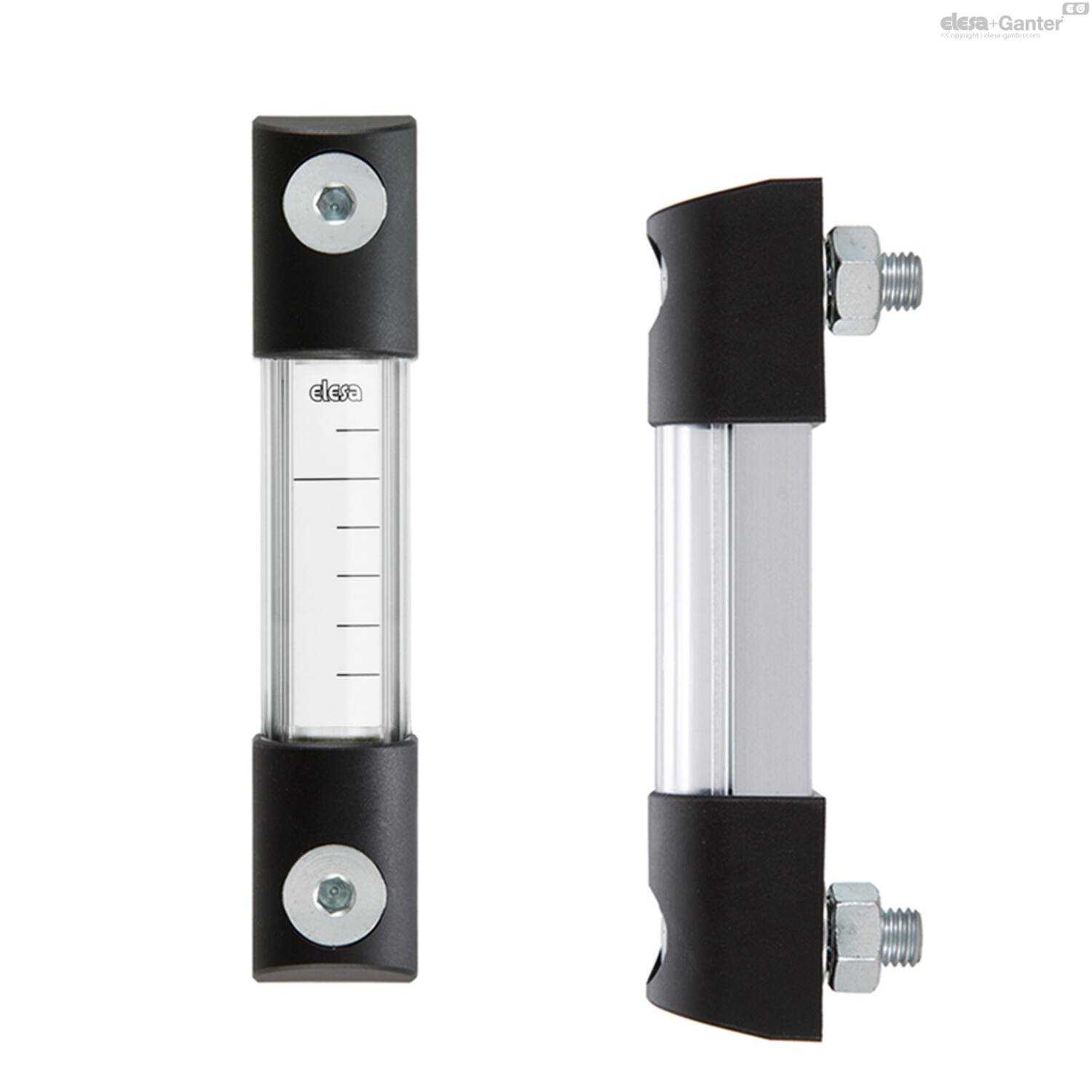
Elesa+Ganter 113499-KN Column Level Indicator: Technical Overview
The Elesa+Ganter 113499-KN column level indicator is listed as HCK.127-SST-M12-FKM-GL-P-E-NC-STL-KN. It is intended for industrial systems that need dependable visual level reading and electrical minimum level monitoring. As a KN catalogue variant, it follows the same HCK.127 technical logic with normally closed level contact and lateral output.
Core Technical Characteristics
This model features a 127 mm centre distance and M12 threaded connections, making it suitable for compact tank installations. The SST hardware supports mechanical strength and corrosion resistance, while the FKM sealing ring provides dependable sealing behaviour in demanding oil-related environments. The GL transparent tube allows operators to inspect fluid level quickly without opening the tank.
The electrical NC contact gives this model a clear role in maintenance and control logic. When configured correctly, the signal can help detect a minimum level condition and support alarms, shutdown logic or maintenance notifications. The STL side-output design also helps when cable routing space is limited or when a cleaner panel layout is required.
Industrial Relevance
The Elesa+Ganter 113499-KN column level indicator is a practical option for hydraulic power units, lubrication tanks, machine reservoirs and industrial process equipment. Its value comes from combining human-readable level indication with electrical status feedback. This dual function helps improve inspection routines and supports more predictable equipment management.
For more information, visit Elesa+Ganter.
FAQ
What product type is Elesa+Ganter 113499-KN?
It is a column level indicator with a normally closed electrical minimum level contact.
What does FKM add to the product?
FKM improves sealing suitability for applications where oil compatibility and temperature resistance are important.
Why is the glass tube useful?
The glass tube gives operators a direct visual reference, making routine level checks faster and more reliable.
Where is this model typically used?
It is typically used in hydraulic reservoirs, lubrication systems, oil tanks and machinery where minimum level monitoring is important.