
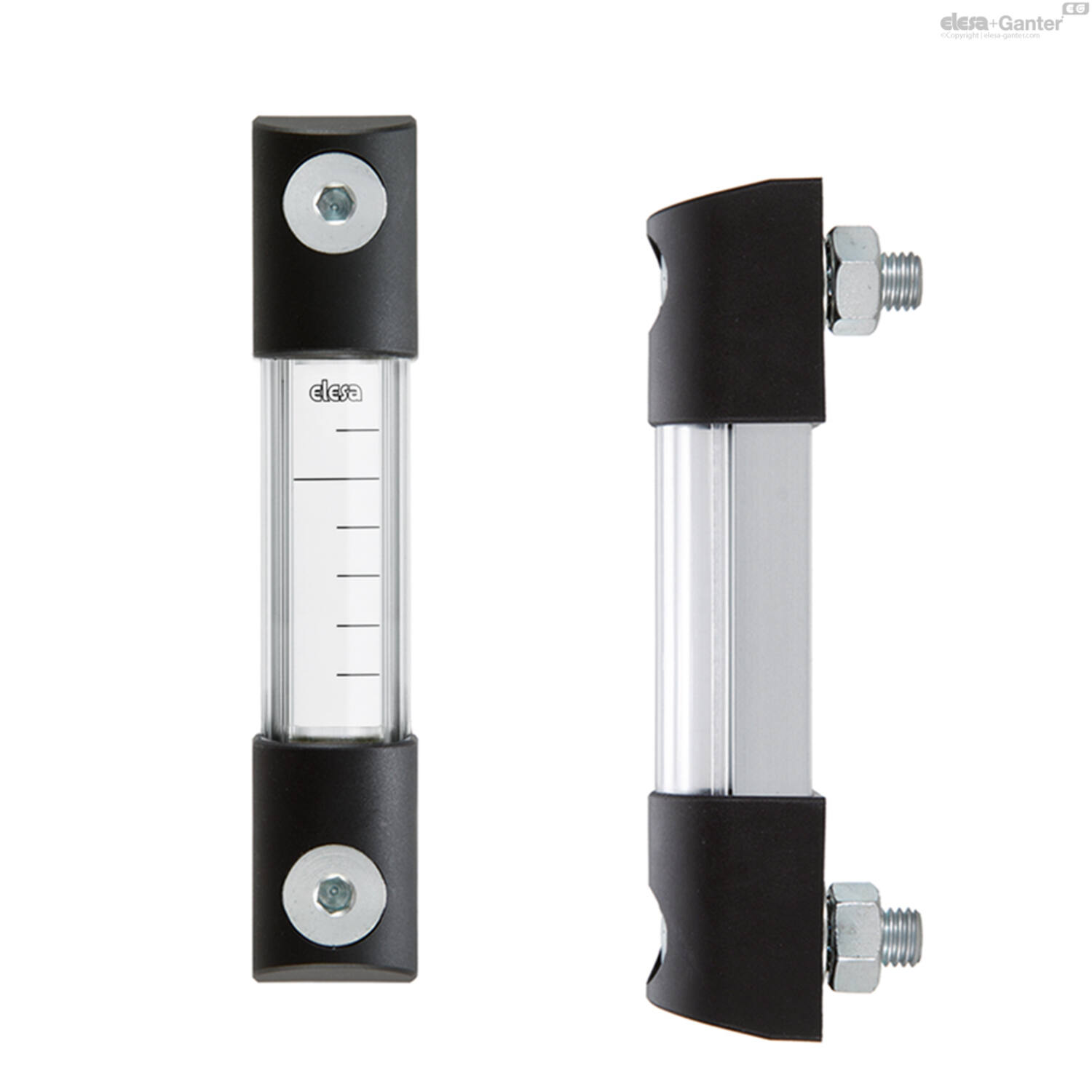
Elesa+Ganter 113497-KN Column Level Indicator: Technical Overview
The Elesa+Ganter 113497-KN column level indicator is identified by the model code HCK.127-SST-M12-FKM-GL-P-E-NO-STL-KN. It is built for systems that require visible fluid level inspection and an electrical minimum level signal in one compact component. The KN suffix marks this catalogue variant while the core technical platform remains focused on HCK.127 electrical level monitoring.
Product Structure
The 127 mm hole-centre design is suitable for compact industrial tanks and hydraulic reservoirs. M12 connections provide a familiar installation format, while stainless steel fixing elements support long-term mechanical reliability. The FKM O-ring is selected for sealing performance in demanding oil-related applications, and the GL tube provides a clear fluid column for direct inspection.
The NO contact configuration makes this version useful when the control system is designed to detect a closing signal at the minimum level point. With STL lateral output, the wiring direction can be convenient for machine panels, reservoirs with limited front clearance or installations where cable routing must remain clean and accessible.
Practical Value in Maintenance
The Elesa+Ganter 113497-KN column level indicator supports faster routine checks. Maintenance staff can confirm fluid level visually, while the electrical contact can help alert operators before a low-level condition becomes a production issue. This makes it relevant for hydraulic power packs, lubrication units, oil tanks and automated machinery.
Elesa+Ganter 113497-KN For additional reference, visit Elesa+Ganter.
Elesa+Ganter 113497-KN FAQ
What is the key difference of 113497-KN?
It is the KN catalogue variant of the HCK.127-SST-M12-FKM-GL-P-E-NO-STL configuration.
What does NO contact do?
NO contact logic is open in its normal condition and changes state when the minimum level threshold is reached.
Can it support machine alarms?
Yes, it can be integrated into control or alarm logic when the electrical specifications match the system design.
Why is it used in hydraulic systems?
It helps operators monitor reservoir level, reduce unnoticed oil loss and support preventive maintenance routines.