
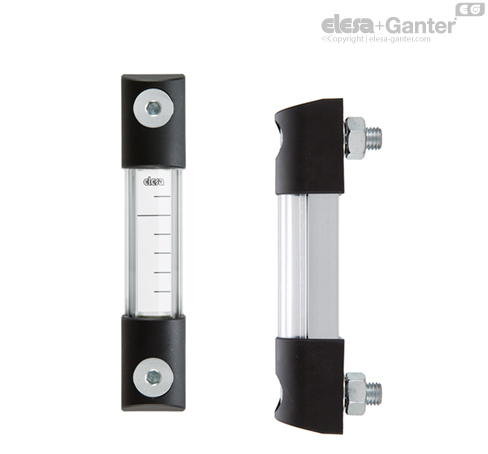
Elesa+Ganter 113217-KN HCK.127-ZN-M12-FKM-GL-P-EHT-NC-STL-KN Oil Electrical Level Indicator
The Elesa+Ganter 113217-KN HCK.127-ZN-M12-FKM-GL-P-EHT-NC-STL-KN oil electrical level indicator is a column-type monitoring component for hydraulic reservoirs and industrial fluid systems. It combines a transparent level window, minimum level electrical contact and PT100 temperature probe, giving maintenance teams a practical way to observe and monitor tank conditions.
Design and Material Structure
The HCK.127 format uses a 127 mm centre distance and M12 mounting. Its zinc-plated steel hardware is identified by ZN. The FKM O-ring configuration offers improved temperature resistance compared with standard NBR options. The GL tube is made from borosilicate glass, suitable for oil, water and water-glycol based fluids. The removable P front protection helps defend the viewing area from external impact and contamination.
Monitoring Function
This version uses an NC minimum level contact. Under normal level conditions the contact is closed; when the fluid reaches the minimum threshold, the contact opens. This can support warning circuits, machine interlocks or PLC-based monitoring. The EHT float is made for higher temperature use, and the STL suffix adds a PT100 electrical temperature probe for thermal reading.
Elesa+Ganter 113217-KN Practical Use Cases
The product is relevant for hydraulic units, lubrication tanks, industrial automation machines and compact reservoirs where space is limited but monitoring accuracy is important. It is also valuable when operators need a visible column for quick checks without removing tank covers. For additional product families, visit Elesa+Ganter.
Elesa+Ganter 113217-KN FAQ
What type of product is the Elesa+Ganter 113217-KN?
It is an oil electrical level indicator with a visual column, NC minimum level contact and PT100 temperature probe.
What does the 127 size mean?
It refers to the 127 mm hole centre distance used for mounting the indicator on the tank.
What is the benefit of the borosilicate glass tube?
It supports use with oil, water and water-glycol based solutions and provides clear level visibility.
How does the NC contact behave?
The contact opens when the minimum fluid level is reached, allowing the control system to detect a low-level condition.
Why is temperature monitoring useful?
Fluid temperature can affect viscosity, machine performance and component life, so PT100 feedback helps maintenance teams track operating conditions.