
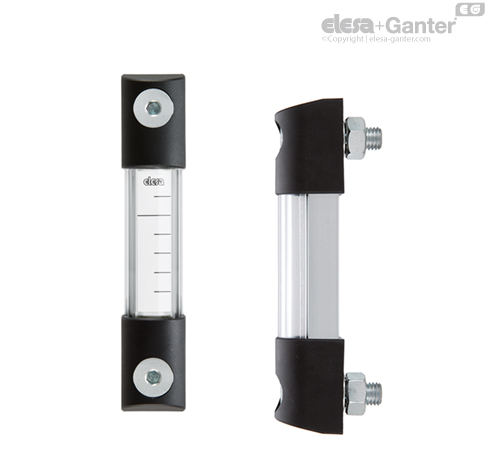
Elesa+Ganter 111045 HCK.381-SST-M12-FKM-GL-P Level Indicator
Technical Overview
The Elesa+Ganter 111045 HCK.381-SST-M12-FKM-GL-P level indicator is a 381 mm column level indicator for oil and glycol-based fluid systems. Its defining feature is the FKM sealing configuration, which is often selected where higher chemical or temperature resistance is required compared with standard elastomers.
The SST reference indicates stainless steel fastening elements, while the M12 format supports robust mounting. The GL designation connects the product to glycol-based applications, and the P version indicates a protected configuration for the visible level area. This combination makes the product relevant for industrial machinery, cooling equipment, hydraulic systems, and fluid reservoirs requiring reliable visibility.
Why FKM Matters
FKM seals are commonly chosen for more demanding fluid environments. In practical terms, this can support better resistance where heat, oil additives, glycol mixtures, or chemical exposure may challenge standard sealing materials. However, final suitability should always be checked against the actual fluid, working temperature, pressure, and maintenance conditions.
Industrial Applications
The Elesa+Ganter 111045 HCK.381-SST-M12-FKM-GL-P level indicator can be used in hydraulic tanks, industrial cooling circuits, mobile machinery reservoirs, processing equipment, and lubrication units. It provides an immediate visual reading, helping teams detect low level conditions before they affect system reliability.
For more technical options, visit Elesa+Ganter level indicator information.
FAQ
What is the main difference of Elesa+Ganter 111045?
The main difference is the FKM sealing configuration, combined with stainless fastening and GL suitability for glycol-based fluid systems.
Is this product suitable for high-performance hydraulic systems?
It can be suitable for many hydraulic and glycol-based systems, but compatibility must be confirmed using the exact fluid and operating conditions.
Why choose FKM instead of NBR?
FKM is often preferred when improved resistance to heat, oils, additives, or more demanding fluids is required. NBR remains common for many standard oil applications.
Does the protected version improve durability?
Yes. The protected configuration helps reduce damage risk to the viewing section, especially in industrial areas where accidental contact may occur.