
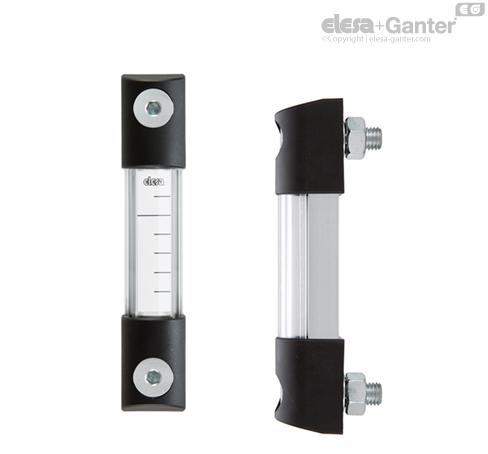
Elesa+Ganter 111044 HCK.381-ZN-M12-NBR-GL-P Glycol Level Indicator
Technical Overview
The Elesa+Ganter 111044 HCK.381-ZN-M12-NBR-GL-P glycol level indicator is a column level indicator designed for fluid systems where oil or glycol-based solutions must be checked visually. The GL designation makes this model especially relevant for systems using water-glycol mixtures, cooling circuits, and hydraulic applications where glycol compatibility is required.
With a 381 mm nominal size, M12 mounting, and NBR sealing, this indicator supports practical installation in industrial reservoirs. The protected P configuration helps preserve the viewing area in demanding environments. Its vertical column format allows operators to understand the fluid level at a glance, reducing uncertainty during maintenance checks.
Use Cases
The Elesa+Ganter 111044 HCK.381-ZN-M12-NBR-GL-P level indicator is relevant for cooling units, hydraulic tanks using glycol-based solutions, industrial machinery, power units, and fluid management systems. It is especially useful where a simple, visible, non-electronic reading method is required alongside routine maintenance procedures.
Operational Value
Glycol-based fluids can be used in systems where freezing protection, heat transfer, or specific fluid performance is needed. A suitable level indicator helps operators identify low fluid conditions before they lead to pump damage, overheating, or system interruptions. This model gives maintenance teams a visible reference point without requiring tank access.
For related product details, visit Elesa+Ganter component information.
FAQ
What is the Elesa+Ganter 111044 HCK.381-ZN-M12-NBR-GL-P used for?
It is used to visually monitor fluid levels in tanks and systems operating with oil or glycol-based solutions.
What does GL mean in this product code?
GL refers to suitability for glycol-based solutions within the HCK product family, subject to actual operating conditions and compatibility checks.
Why is front protection useful?
Front protection helps shield the viewing section from accidental impacts, dirt, and contact in industrial settings.
Can this indicator replace an electronic sensor?
It is primarily a visual indicator. In critical systems, it can complement electronic monitoring, but it should not automatically be treated as a direct sensor replacement.