
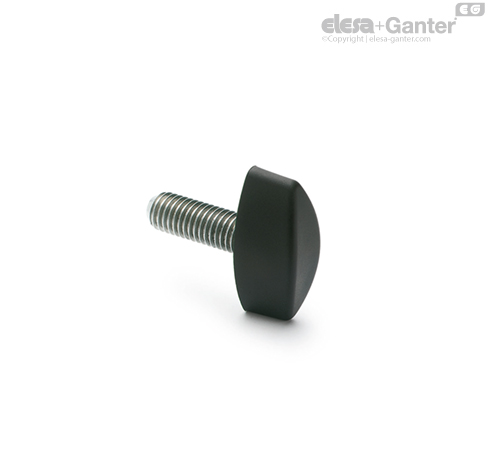
Elesa+Ganter CT.476/56-SST-P-M10X30 Wing Knob Overview
The Elsa+Ganter CT.476/56-SST-P-M10X30 wing knob is designed for manual tightening tasks where dependable grip, corrosion resistance, and repeatable adjustment matter. In many machine-building, maintenance, and industrial enclosure applications, a wing knob remains a practical choice because it lets operators apply force quickly without adding separate tools to the workflow.
What Type of Product Is CT.476/56-SST-P-M10X30?
This model is a wing knob with a stainless steel threaded stud. It combines a black technopolymer body with a robust threaded metal stud, creating a component that is easy to grip and well suited to regular manual clamping. The wing-style profile supports confident handling, especially where operators need to tighten, loosen, or reposition parts during setup or inspection.
Elesa+Ganter CT.476/56-SST-P-M10X30 Key Technical Characteristics
The product uses a glass-fibre reinforced polyamide-based technopolymer body with a matte black finish. The threaded stud is made of AISI 303 stainless steel and has a chamfered flat end. In this specific version, the knob diameter is 56 mm, the thread size is M10, the threaded stud length is 30 mm, and the overall hub-related size is 23 mm. The wing knob geometry is intended to support high tightening torque values in manually operated assemblies.
Where This Wing Knob Works Well
A component like the Elsa+Ganter CT.476/56-SST-P-M10X30 wing knob is often used on machine guards, positioning fixtures, access covers, adjustment frames, packaging equipment, and stainless-compatible industrial environments. Because the stud is stainless steel, it can be a sensible option in areas where moisture, cleaning routines, or general corrosion resistance are part of the operating conditions.
Why Manual Adjustment Still Matters
Not every assembly needs a tool-operated fastener. In many real production settings, hand-adjustable hardware improves service speed and reduces downtime. A wing knob is especially useful when an operator needs to secure a panel, set a stop, or release a bracket during a short intervention. The shape of this model also helps reduce hesitation during repeated adjustments, which is valuable in production lines and maintenance workflows.
Elesa+Ganter CT.476/56-SST-P-M10X30 Material Benefits in Daily Use
The reinforced technopolymer body helps keep the component lightweight while maintaining good mechanical stability. The stainless steel stud adds durability where the thread engages with the mating part. This combination is widely preferred in applications that need a practical balance of grip comfort, clean appearance, and dependable resistance to wear from frequent handling.
Additional Product Information
For teams comparing standard components across machine designs, the main value of this model is not only the thread size but the full combination of diameter, stud length, and corrosion-resistant construction. For more information about Elesa+Ganter, it is worth reviewing the wider range of standard machine elements in the same family.
Elesa+Ganter CT.476/56-SST-P-M10X30 FAQ
What is the main function of the CT.476/56-SST-P-M10X30 wing knob?
Its main function is manual clamping and adjustment. It allows an operator to tighten or loosen a connection point by hand, which is useful for equipment that requires periodic repositioning, access, or light-to-medium duty locking.
What does M10x30 mean in this product code?
M10 refers to the thread size, while 30 indicates the threaded stud length in millimetres. This makes it easier to match the knob to a compatible threaded mounting point in machinery or fabricated assemblies.
Why is stainless steel important here?
Stainless steel improves resistance to corrosion and helps the threaded section perform reliably in humid, washdown-adjacent, or maintenance-heavy environments. It is a practical material choice when plated steel is not ideal.
Is this wing knob suitable for frequent manual use?
Yes. The wing profile is specifically intended for repeated hand tightening and loosening. It supports operator convenience in setups where quick access and adjustment are part of normal daily use.
What industries commonly use this type of component?
Common sectors include machinery manufacturing, food-related equipment support structures, packaging, industrial automation, lab equipment, and fabrication systems where standard clamping hardware is needed.