
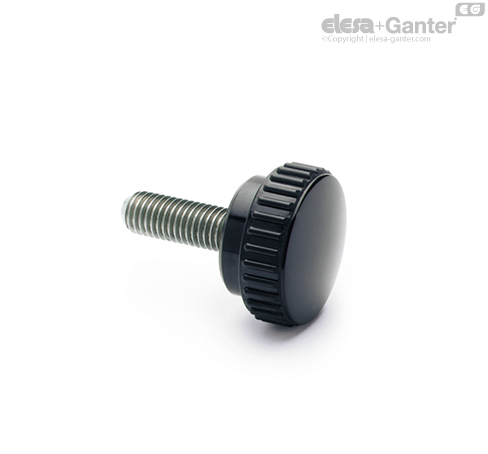
Elsa+Ganter 102117 Knurled Knob: B.193/15-SST-P-M3X16 Overview
The Elsa+Ganter 102117 knurled knob, also listed as B.193/15-SST-P-M3X16, is designed for manual fastening tasks that need a compact grip surface combined with a longer threaded reach than shorter M3 variants. It keeps the same 15 mm knob diameter as other models in this size class, but its 16 mm stainless steel stud makes it more suitable where deeper thread engagement is required.
Why the M3x16 Version Matters
At first glance, a difference of a few millimetres may seem minor. In real applications, however, that extra threaded length can be the deciding factor between secure engagement and marginal holding performance. The B.193/15-SST-P-M3X16 is therefore a smart match for assemblies that include thicker panels, spacer layers, or deeper female threads.
The knob body itself remains easy to handle thanks to the knurled perimeter. This helps users tighten by hand with more control, particularly in equipment that is opened regularly for service, inspection, cleaning, or adjustment.
Elesa+Ganter 102117 Technical Features
- Brand: Elesa+Ganter
- Stock code: 102117
- Product code: B.193/15-SST-P-M3X16
- Product type: Knurled knob
- Knob diameter: 15 mm
- Thread: M3
- Threaded stud length: 16 mm
- Knob height: 11 mm
- Material: Phenolic based duroplast
- Stud material: AISI 303 stainless steel
- Finish: Black, glossy
Elesa+Ganter 102117 Material Benefits in Day-to-Day Use
The duroplast body gives the knob a rigid, durable feel that suits industrial and technical environments. It is not just about appearance; this material supports reliable handling and retains its form well under normal operating conditions. Meanwhile, the stainless steel stud is valuable when equipment may face humidity, condensation, or regular cleaning cycles.
For engineers, maintenance teams, and machine builders, this combination supports consistency across repeated use. It is especially useful where a hand-fastened part should remain dependable without requiring frequent replacement.
Elesa+Ganter 102117 Where This Knurled Knob Fits Best
The Elesa+Ganter 102117 knurled knob is commonly relevant for access doors, machine guards, fixture plates, instrument housings, and compact clamping points. Because it uses an M3 thread with a longer stud, it can also serve well in assemblies where a thinner stud would not achieve enough thread capture.
That makes this model a practical choice for technical layouts that need both compact dimensions and slightly extended fastening depth. It is a small component, but in precise mechanical assemblies, small differences often matter most.
Elesa+Ganter 102117 For more information, visit Elesa+Ganter.
Elesa+Ganter 102117 FAQ
What is the main difference between 102116 and 102117?
The biggest difference is threaded stud length. Both are 15 mm knurled knobs with an M3 stainless steel stud, but 102117 has a 16 mm stud instead of 10 mm. That gives it more reach and can improve thread engagement in deeper mounting points.
When should a longer stud length be preferred?
A longer stud is generally preferred when the component passes through a thicker panel, when spacers are present, or when the receiving thread is located deeper inside the assembly. It can also help when extra engagement is needed for better retention.
Is this still a compact knob even with the longer stud?
Yes. The grip portion remains compact at 15 mm diameter and 11 mm height. The longer stud affects the mounting reach rather than the hand feel or front-facing footprint of the knob.
Is the surface intended for manual tightening only?
The product is designed primarily for hand operation. The knurled edge improves finger grip and makes routine tightening or loosening easier in maintenance, inspection, or setup scenarios.
Elesa+Ganter 102117 Does stainless steel help in food or wash-down environments?
It can be beneficial where cleaner hardware and better corrosion resistance are important. However, final suitability for food, hygiene, or aggressive wash-down conditions should always be checked against the full machine design and the surrounding environmental requirements.