
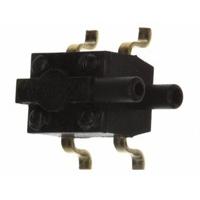
Honeywell 13C2000PS5L Pressure Sensor: A Strong Choice for 2000 psi Sealed Gauge Applications
The Honeywell 13C2000PS5L pressure sensor is designed for engineers who need a durable, compact, and integration-friendly pressure sensing component for industrial systems. Within the Honeywell 13 mm Series, this model stands out because it combines a 2000 psi sealed gauge range with a male 1/4-18 NPT pressure connection, which is a familiar and practical format across hydraulic and process-related equipment.
Why the Honeywell 13C2000PS5L Gets Attention
The Honeywell 13C2000PS5L packaged pressure sensor uses a Wheatstone bridge output in the 98 mV to 102 mV range, making it suitable for OEM systems that already include signal conditioning electronics. Its sealed gauge reference is often preferred in equipment that operates in real industrial conditions where environmental exposure, vibration, and pressure cycling are part of daily use. Compared with lighter-duty sensor formats, this style of sensor feels more at home in machinery, skids, hydraulic controls, and pressure instrumentation packages.
Another reason this part is practical is the 1/4 NPT male port. That connection style is widely recognized, easy to integrate into fluid systems, and well suited for pressure interfaces where mechanical reliability matters. The part also uses flex cable termination, which helps designers route the electrical side of the sensor with more freedom during assembly.
Performance in Industrial Environments
As a member of Honeywell’s 13 mm heavy-duty family, the Honeywell 13C2000PS5L pressure transducer benefits from a media-isolated 316L stainless steel construction and temperature-compensated design. That matters when systems face harsh fluids, demanding pressure cycles, and broad ambient temperature changes. A sensor in this class is not only about reading pressure once in a lab environment; it is about maintaining dependable behavior over repeated operating cycles in the field.
The 2000 psi range also hits a useful middle ground. It is high enough for many industrial pressure systems, but still narrow enough to support focused measurement in machinery that does not require ultra-high-pressure sensing.
Where It Fits Best
The Honeywell 13C2000PS5L pressure sensor is well suited for hydraulic controls, industrial automation assemblies, fluid monitoring equipment, and pressure transmitter designs that rely on a raw bridge signal. It can also be a smart option in OEM projects where the mechanical side needs a standard threaded interface but the electronics remain custom.
For more information about Honeywell, it is useful to compare this part with other 13 mm Series models that use absolute pressure reference or alternative port connections.
FAQ
What kind of pressure does the Honeywell 13C2000PS5L measure?
This model measures sealed gauge pressure. That means it references pressure relative to a sealed atmospheric baseline, which is often useful in industrial systems where a stable gauge-style measurement is required.
What is the pressure range of the Honeywell 13C2000PS5L?
The operating pressure range is 2000 psi. This makes it a strong fit for many hydraulic and industrial monitoring applications that need reliable mid-to-high pressure sensing.
What connection type does the Honeywell 13C2000PS5L use?
It uses a male 1/4-18 NPT threaded pressure port. This is a highly practical connection style for industrial fluid systems because it is familiar, robust, and easy to integrate into compatible hardware.
Is the Honeywell 13C2000PS5L temperature compensated?
Yes. This part is part of Honeywell’s compensated 13C family, which is intended to provide more stable performance across changing environmental conditions.
Is this sensor suitable for OEM integration?
Yes. In fact, that is one of its main strengths. The low-level bridge output and flex cable termination make it attractive for OEMs that want to integrate pressure sensing into custom electronics and mechanical assemblies.
What industries may use the Honeywell 13C2000PS5L?
Industrial automation, hydraulic systems, process equipment, pressure transmitter development, and machinery pressure monitoring are all relevant application areas where this type of sensor can be a strong technical fit.