
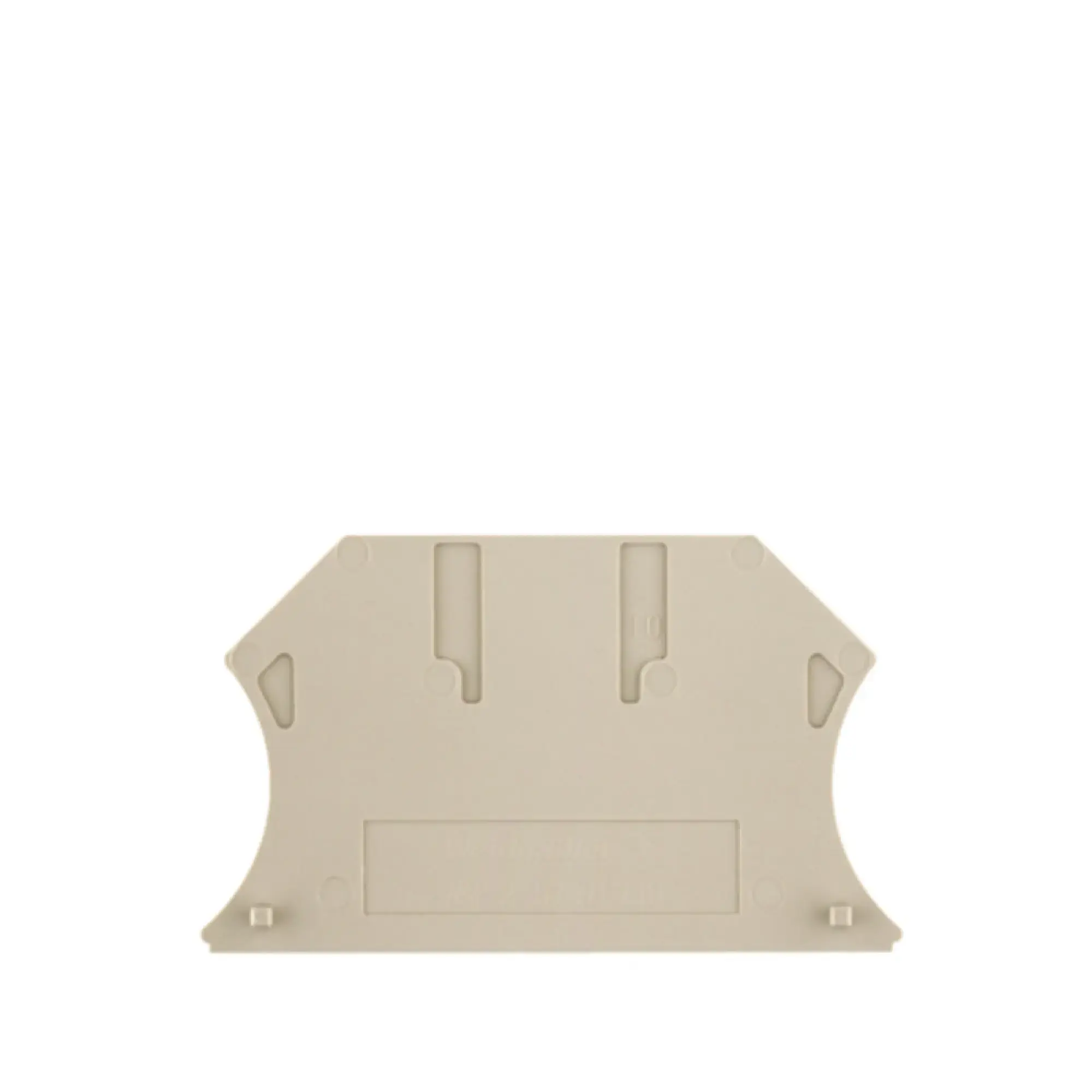
Weidmüller 1000010001 WTR 4 SL RT Test Terminal Guide
The Weidmüller 1000010001 WTR 4 SL RT test-disconnect terminal is a DIN rail terminal designed for separating circuits during tests or measurements. Manufacturer and distributor references describe it as a test-disconnect terminal with screw connection, red color, 4 mm² rated cross-section, 32 A current, and a voltage reference of 500 V. It is intended for TS 35 mounting and has 2 connections on 1 level.
Weidmüller 1000010001 What the Weidmüller WTR 4 SL RT Is Designed For
The Weidmüller WTR 4 SL RT test terminal is used where circuits need to be isolated temporarily for measurement, commissioning, or maintenance. In industrial systems, test-disconnect terminals are valuable because they let technicians access circuits in a controlled way without dismantling wiring. That improves safety, saves time, and supports more professional diagnostic workflows.
This type of terminal is especially useful in signal circuits, metering loops, monitoring applications, and installations where periodic verification is part of the maintenance process. Instead of breaking the circuit manually or improvising a measurement point, the terminal provides a defined disconnect function within the terminal strip itself.
Weidmüller 1000010001 Technical Characteristics That Matter
The Weidmüller 1000010001 WTR 4 SL RT test-disconnect terminal uses screw connections and supports conductor cross-sections that extend from fine-stranded with ferrules to larger solid-core conductors, with source references showing ranges up to 4 mm² for fine-stranded and 6 mm² for solid conductors in the detailed listing. The same product references also show torque values and stripping length information, which reinforces that this is a serious measurement-oriented terminal rather than a generic feed-through block.
Dimensions published in the product listing include approximately 46.5 mm depth, 61.2 mm height, and 6.1 mm width. These details matter for cabinet planning, especially when multiple test terminals are arranged in sequence. A narrow format can help preserve rail space while still enabling functional disconnect capability.
Weidmüller 1000010001 Why Test-Disconnect Terminals Are So Useful
The Weidmüller WTR 4 SL RT test-disconnect DIN rail terminal solves a very specific operational problem: how to measure or isolate a circuit without disrupting the overall wiring structure. In many industrial installations, the answer is not to remove wires but to design measurement access directly into the terminal strip. This approach improves repeatability and reduces maintenance risk.
It also supports documentation quality. When measurement points and disconnect functions are built into the terminal plan, electrical drawings and service instructions become much easier to align with the physical cabinet. That is one reason these terminals are common in more disciplined panel engineering environments.
For more information about Weidmüller, it is worth examining the wider W-series terminal range and related test accessories.
Weidmüller 1000010001 FAQ
What is the main purpose of the Weidmüller 1000010001 WTR 4 SL RT?
Its main purpose is to allow controlled circuit separation for tests or measurements without dismantling the wiring. That makes diagnostics and maintenance much more efficient.
Why is a test-disconnect terminal better than disconnecting wires manually?
Because it provides a defined and repeatable disconnect point inside the terminal strip. This reduces handling errors, protects wiring order, and improves maintenance safety.
What are the key ratings of the WTR 4 SL RT?
Product references identify it as a red screw-connection test-disconnect terminal with 4 mm² rated cross-section, 32 A, and 500 V values in the product description context.
Where is this terminal most useful?
It is most useful in control panels, monitoring circuits, metering arrangements, and any installation where technicians need structured test access or temporary isolation of a circuit.