
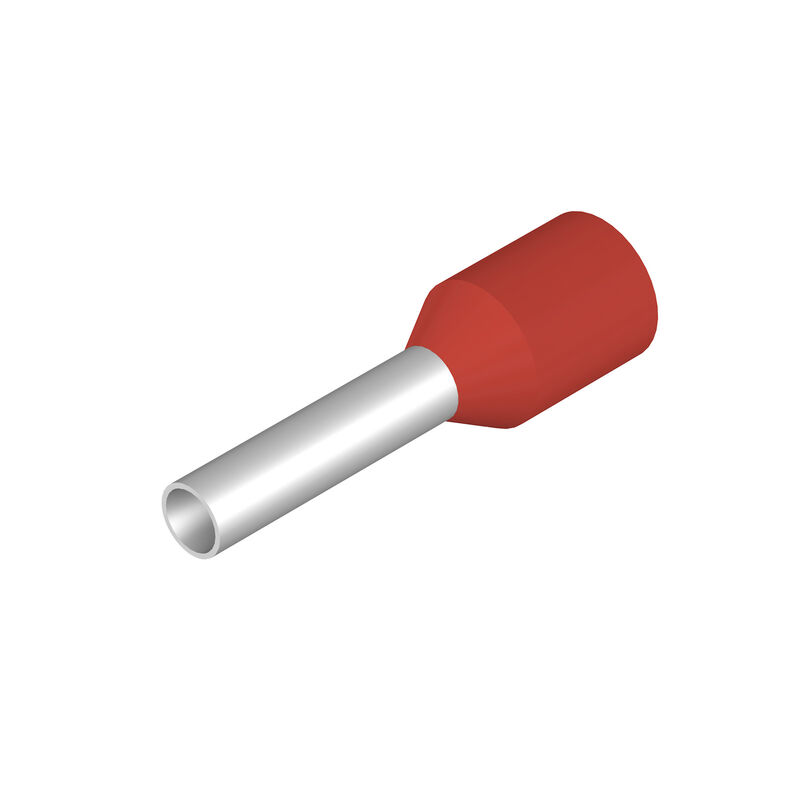
Weidmüller 0463100000 H1,5/14 R Wire Ferrule Guide
The Weidmüller 0463100000 H1,5/14 R wire ferrule is an insulated wire-end ferrule designed for the protection and termination of stripped flexible conductors. The manufacturer describes it as an electrogalvanised copper sleeve that protects the conductor and supports a permanently secure connection once crimped. Distributor references identify it as a single-wire ferrule in the 1.5 mm² / AWG 16 class.
What the Weidmüller H1,5/14 R Is Designed For
The Weidmüller H1,5/14 R insulated ferrule is used at the stripped end of a flexible conductor before insertion into a terminal or connector. This simple step dramatically improves the quality of termination because it keeps the individual wire strands together and creates a cleaner, more stable interface for clamping. In control panels and machine wiring, that helps reduce strand damage and supports more consistent terminal performance.
The product references linked to this order code indicate a ferrule intended for 1.5 mm² conductors, typically aligned with AWG 16. External distributor material also describes it as an insulated copper ferrule with a tinned or electrogalvanised construction used for flexible wires. That profile makes it highly relevant in industrial cabinet wiring where conductor preparation quality directly affects connection reliability.
Weidmüller 0463100000 Technical Characteristics That Matter
The most important technical point about the Weidmüller 0463100000 H1,5/14 R wire ferrule is that it is built to protect flexible conductor strands during crimping and terminal insertion. Without a ferrule, fine strands can spread, bend, or become damaged under clamp pressure. Over time, that can reduce contact quality and complicate maintenance. The ferrule creates a more uniform conductor end and improves termination discipline.
Sources tied to this product also indicate a red insulated style and identify the part as suitable for the 1.5 mm² class. In cabinet building, that color and size alignment matters because ferrule selection is often standardized to conductor cross-section. Standardization improves assembly speed, reduces wiring errors, and helps technicians work more confidently during modifications or repairs.
Why Ferrules Matter in Professional Wiring
The Weidmüller H1,5/14 R ferrule represents a small part with a large operational impact. Ferrules support cleaner conductor insertion, better clamp engagement, and more repeatable connection quality. In environments where wiring is exposed to vibration or frequent servicing, that stability matters even more. A ferrule is not just an accessory; it is part of the connection quality standard.
It is also a documentation and process benefit. Wiring standards in industrial projects often specify ferrule use precisely because it promotes consistency across installers and across production batches. That reduces variation and makes finished cabinets more professional.
For more information about Weidmüller, it is useful to look at the full wire preparation portfolio, including ferrules, crimp tools, and terminal systems designed to work together.
Weidmüller 0463100000 FAQ
What is the main purpose of the Weidmüller 0463100000 H1,5/14 R?
Its main purpose is to protect and consolidate the stripped end of a flexible conductor so it can be inserted into a terminal more cleanly and securely after crimping.
Why should ferrules be used on flexible wires?
Because flexible wires contain many fine strands that can spread or become damaged when inserted directly into terminals. A ferrule keeps the strands together and improves the quality of the final connection.
What conductor size is this ferrule intended for?
Sources for this product identify it with the 1.5 mm² class and AWG 16 references, which makes it suitable for that conductor category when the proper crimping method is used.
Is a ferrule really necessary in industrial panels?
In many professional wiring standards, yes. Ferrules improve repeatability, protect strands, and create a more controlled termination process, which is why they are widely used in machine and cabinet wiring.