
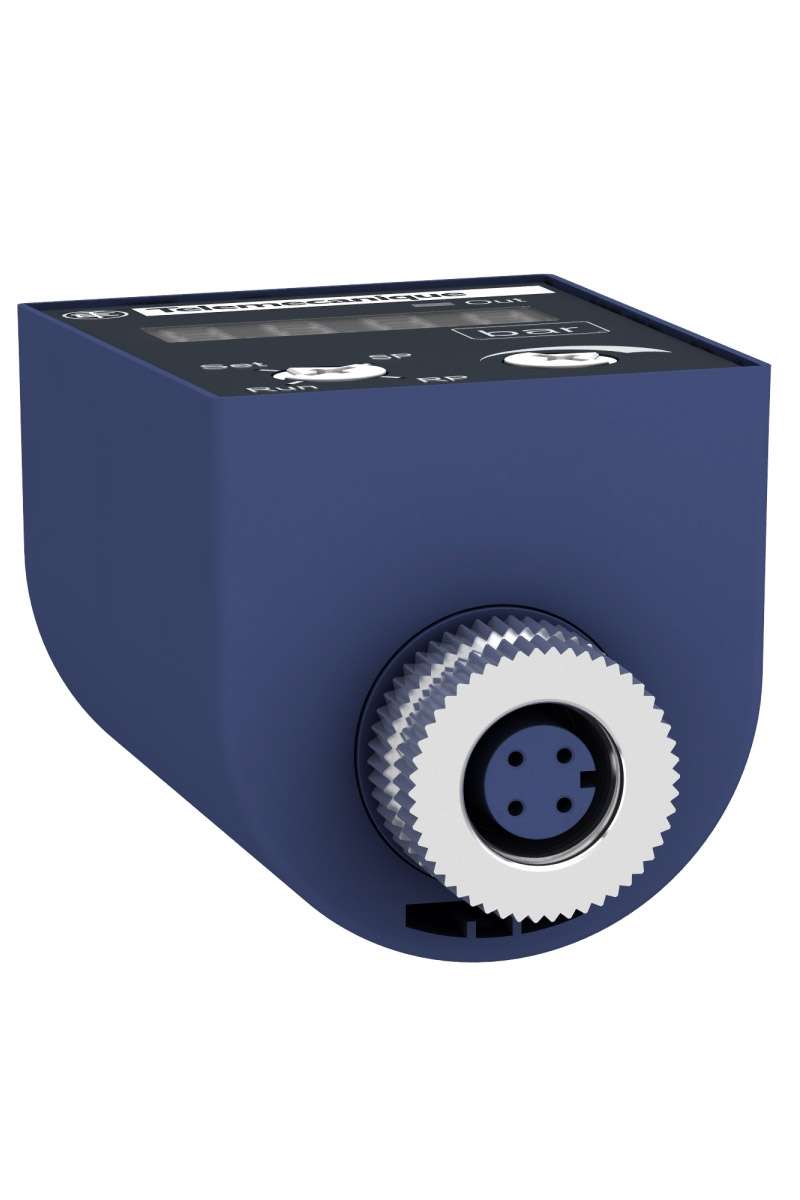
Telemecanique ZMLPA1P2SH Electronic Pressure Sensor: 24 VDC, 4–20 mA Analog Output and PNP Switching
The Telemecanique ZMLPA1P2SH Electronic Pressure Sensor belongs to the ZMLP pressure sensing family and is designed for industrial environments where pressure signals need to be both measurable and actionable. In modern automation, pressure is rarely “just a number.” It becomes logic: pump control, filter monitoring, leak detection, and process stability all depend on pressure signals that are consistent, easy to integrate, and stable over time.
Because pressure sensors often sit at the intersection of mechanics, fluids, and controls, integration quality matters. If your project also includes industrial switching and automation component standardization, you may review Telemecanique sensor families often used across industrial systems.
What ZMLPA1P2SH Is
ZMLPA1P2SH is an electronic pressure sensor intended to provide both an analog 4–20 mA signal and a switching output (PNP logic) for control tasks. This dual-output approach supports process visibility (analog trend) and control decision-making (switching thresholds) in one device.
Key Technical Characteristics
- Supply: 24 VDC (SELV), with an operating range appropriate for industrial DC systems
- Analog output: 4–20 mA proportional to pressure
- Switching output: PNP logic with switching behavior modes such as hysteresis
- Connectivity: M12 connector strategy (separate input/output connector wiring concepts)
- Industrial compliance intent: Designed for electromagnetic compatibility expectations in industrial environments
4–20 mA in Plain Terms
4–20 mA remains an industrial standard because it is robust over long cable runs and less sensitive to voltage drop and electrical noise than simple voltage signals. A properly configured current loop makes trending and diagnostics more dependable in harsh environments.
Switching Output with Hysteresis
Hysteresis is used to prevent output “chatter” when pressure hovers around a threshold. In pumping and process systems, chatter can cause rapid cycling—bad for equipment health. With hysteresis, the sensor switches ON at a setpoint and switches OFF at a different reset point, creating stable behavior.
Telemecanique ZMLPA1P2SH Integration Guidance
1) Decide Your Control Strategy
- Use 4–20 mA for trending, alarms, predictive maintenance, and process insight.
- Use PNP switching for fast control events (e.g., enable/disable pump, trigger interlock).
2) Commission the Thresholds with Real Process Dynamics
Pressure systems often have transients (startup spikes, valve closure shock, pulsation). Set switching thresholds based on real operating behavior, not only design intent. This reduces nuisance trips and improves process stability.
3) Wiring and Grounding Discipline
Route sensor cabling away from VFD motor leads where possible. Use proper shielding/grounding practices consistent with your site standard. Many “sensor faults” are actually wiring noise issues.
Typical Applications
- Pump control: pressure-based start/stop with hysteresis stability
- Filter monitoring: detect differential pressure trends (system-level design dependent)
- Hydraulics/pneumatics: confirm pressure presence and stability
- Process skids: provide analog trend + discrete event output
Telemecanique ZMLPA1P2SH FAQ
Why keep both 4–20 mA and a switching output?
Analog output supports insight and trending; switching output supports direct control logic. Together they reduce the need for extra devices.
What is hysteresis mode used for?
It prevents rapid ON/OFF switching when pressure fluctuates near a setpoint—especially useful in pumping applications.
Telemecanique ZMLPA1P2SH Is 24 VDC required?
This device is designed for industrial 24 VDC systems. Always verify the acceptable voltage range in the technical documentation before installation.
Telemecanique ZMLPA1P2SH How do I reduce nuisance alarms?
Commission thresholds under real operating dynamics, use hysteresis appropriately, and verify wiring/noise practices to avoid false switching events.